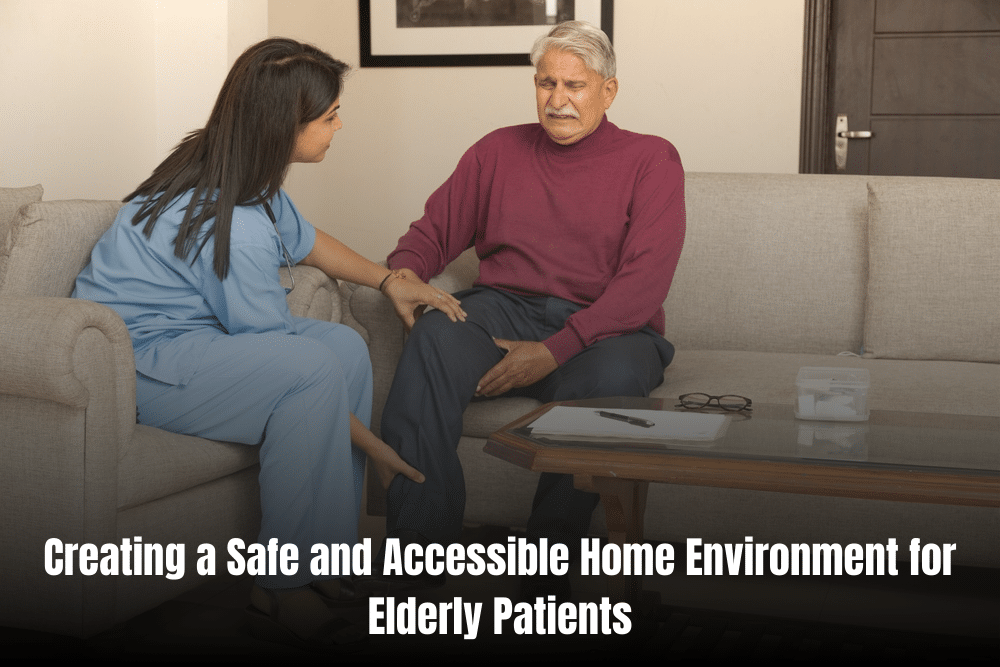
Making Home A Safe and Easy Place for Elderly People

As we age, our homes should evolve with us to ensure safety, comfort, and accessibility. For elderly individuals, a safe home environment is not just a luxury but a necessity. Let’s go deeper into practical tips and strategies to create a home that promotes independence and reduces the risk of accidents for seniors.

Understanding the Challenges

Growing older brings unique challenges, especially in our living spaces. Common hazards like slippery floors, uneven surfaces, and poor lighting can pose significant risks to elderly individuals. Identifying these challenges is the first step towards creating a safer home environment.

Home Modifications

Simple modifications can make a world of difference for seniors. Installing grab bars in bathrooms and near stairs, ramps for easy access, and handrails along corridors are practical changes that enhance safety and mobility. These modifications ensure that seniors can move around their homes confidently and with reduced risk of falls.

Adaptive Equipment

Adaptive equipment plays a crucial role in supporting seniors’ mobility and independence. Walkers, wheelchairs, and lift chairs are examples of adaptive devices that provide physical support and help seniors navigate their homes more comfortably. These tools not only improve mobility but also contribute to seniors’ overall well-being and quality of life.

Organizing for Accessibility

Cluttered spaces can be hazardous, especially for those with limited mobility. Organizing living areas and arranging furniture to create clear pathways ensures easy navigation and reduces the risk of accidents. Removing unnecessary obstacles and keeping essential items within reach can significantly enhance the accessibility of the home for seniors.

Lighting and Visibility

Adequate lighting is crucial for seniors to see clearly and navigate their surroundings safely. Installing bright, non-glare lighting and using nightlights in key areas improve visibility, especially during nighttime. Proper lighting not only prevents accidents but also promotes a sense of security and comfort for seniors.

Bathroom Safety

The bathroom is a high-risk area for slips and falls, making it essential to implement safety measures. Non-slip mats, grab bars near the toilet and shower, and raised toilet seats significantly reduce the risk of accidents. Additionally, ensuring that bathroom essentials are easily accessible further enhances safety and convenience for seniors.

Kitchen Accessibility

Creating an accessible and user-friendly kitchen is essential for elderly patients. Considerations like reachable storage, anti-slip flooring, and easy-to-use appliances make meal preparation safer and more manageable. Seniors can enjoy cooking and dining independently with a well-designed and accessible kitchen environment.

Emergency Preparedness

Developing a comprehensive emergency plan is crucial for ensuring seniors’ safety and well-being. This includes having accessible contact information, clear emergency exits, and readily available medical information in case of emergencies. Regularly reviewing and updating the emergency plan ensures preparedness for any unforeseen situations.

Caregiver Support

Caregivers play a vital role in maintaining a safe home environment for elderly patients. Their continuous support, attention to safety details, and proactive measures ensure comfort and well-being. Regular communication, monitoring of home safety, and addressing seniors’ evolving needs contribute to a supportive and secure living environment.

By addressing these key areas and implementing practical solutions, we can create a home environment that not only meets the needs of elderly individuals but also enhances their quality of life. Safety, accessibility, and caregiver support are the pillars of a secure and comfortable home for our seniors.

We at Shree Swami Samarth Patients Seva provide Nursing Services, Wardboy Services and Caretaker Services for patients in need. For more details contact us.
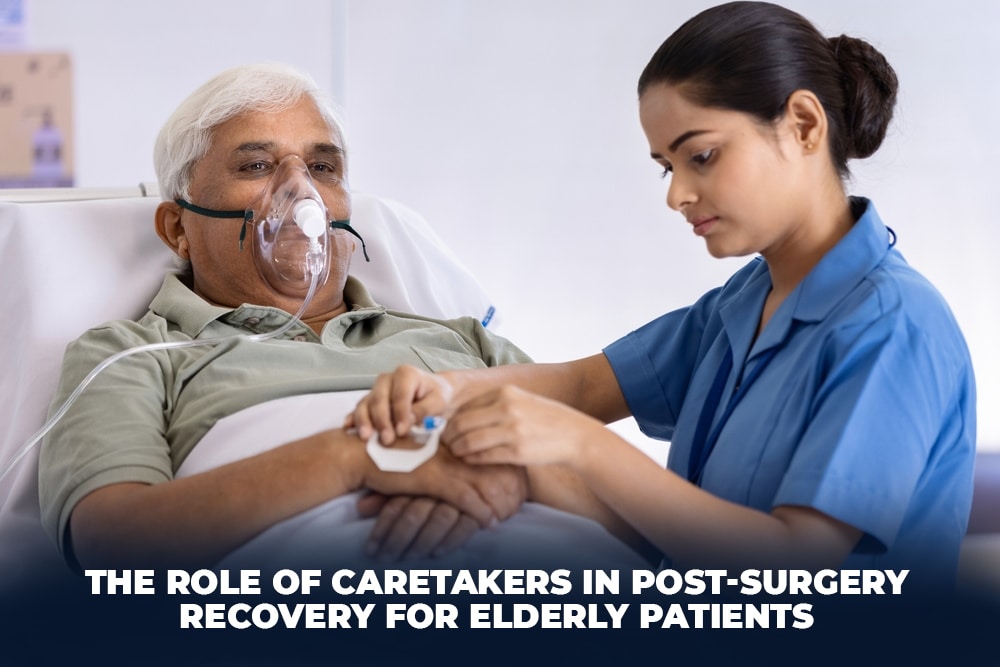
The Role of Caretakers in Post-Surgery Recovery for Elderly Patients

Introduction

Post-surgery recovery can be a challenging period, especially for elderly patients. The importance of proper post-surgery care cannot be overstated, as it directly influences the recovery speed and overall well-being of the patient. This is where caretakers play a crucial role, ensuring a smooth and efficient recovery process.

Importance of Post-Surgery Care for Elderly Patients

Elderly patients often require specialized care and attention after surgery due to their age-related vulnerabilities. Proper post-surgery care helps prevent complications, reduces the risk of infections, and promotes faster healing. It also provides the emotional support needed to navigate the recovery phase.

Role of Caretakers in Ensuring a Smooth Recovery Process

Caretakers are trained professionals who assist patients with their daily activities and medical needs. They play an integral role in the recovery process by:

  • Monitoring health conditions: Keeping track of vital signs and any changes in the patient’s condition.
  • Assisting with medication: Ensuring that medications are taken on time and in the correct dosage.
  • Providing physical support: Helping with mobility, exercises, and ensuring safety to prevent falls.
  • Offering emotional support: Being a companion and providing psychological support to reduce anxiety and stress.

Challenges in Post-Surgery Recovery for Elderly Patients

Common Complications and Recovery Challenges

Elderly patients are more susceptible to post-surgery complications due to factors like weakened immune systems and pre-existing health conditions. Common challenges include:

  • Infections: The risk of infections is higher in elderly patients.
  • Mobility issues: Post-surgery pain and weakness can limit mobility.
  • Nutritional deficiencies: Proper nutrition is critical for healing but can be challenging due to changes in appetite or dietary restrictions.
  • Mental health: Post-surgery depression or anxiety is common in elderly patients.

Physical and Emotional Needs During Recovery

The recovery period can be physically demanding, requiring regular movement and exercises to regain strength. Emotionally, patients may experience fear, frustration, and a sense of helplessness. Addressing both physical and emotional needs is essential for a holistic recovery.

How Caretakers Assist in Post-Surgery Recovery

Medication Management and Wound Care

Caretakers ensure that medications are administered correctly and on time, which is vital for preventing complications and promoting healing. They also handle wound care, keeping surgical sites clean and monitoring for signs of infection.

Physical Therapy and Mobility Assistance

Physical activity is crucial for recovery, but elderly patients often need assistance. Caretakers help with prescribed physical therapy exercises, encouraging movement and helping prevent stiffness and muscle atrophy. They also assist with daily activities, ensuring safety and preventing falls.

Nutrition and Hydration Monitoring

Proper nutrition and hydration are critical for recovery. Caretakers prepare balanced meals that meet the dietary needs of the patient, monitor fluid intake, and encourage healthy eating habits.

Choosing the Right Post-Surgery Caretaker in Mumbai

Qualities and Skills to Look for in a Caretaker

When selecting a caretaker, consider the following qualities and skills:

  • Experience and training: Look for caretakers with experience in post-surgery care and relevant medical training.
  • Compassion and patience: Essential for providing emotional support and handling challenging situations.
  • Communication skills: Ability to effectively communicate with the patient, family, and healthcare providers.
  • Reliability and trustworthiness: Ensuring that the caretaker can be relied upon for consistent and attentive care.

Recommended Post-Surgery Caretaker Services in Mumbai

Shree Swami Samarth Patients Seva (SSSPS) offers top-notch post-surgery caretaker services in Mumbai. Known for their experienced and certified caretakers, SSSPS provides comprehensive post-surgery care packages that are tailored to the individual needs of each patient. Their services include:

  • Personalized Care Plans: Customized plans that address the specific medical and personal needs of the patient.
  • Experienced Caretakers: Trained professionals with extensive experience in post-surgery care for elderly patients.
  • Comprehensive Support: Inclusive of medication management, wound care, physical therapy assistance, and nutritional monitoring.

SSSPS is dedicated to enhancing the recovery process, ensuring that patients receive the best possible care in the comfort of their own homes.

Conclusion

The role of caretakers in post-surgery recovery for elderly patients is invaluable. They provide the necessary medical, physical, and emotional support, ensuring a smoother and faster recovery. Investing in professional caretaker services is essential for the well-being of your loved ones, helping them regain their health and independence.

By understanding the importance of post-surgery care and the critical role of caretakers, families can make informed decisions to ensure the best possible recovery outcomes for their elderly loved ones.

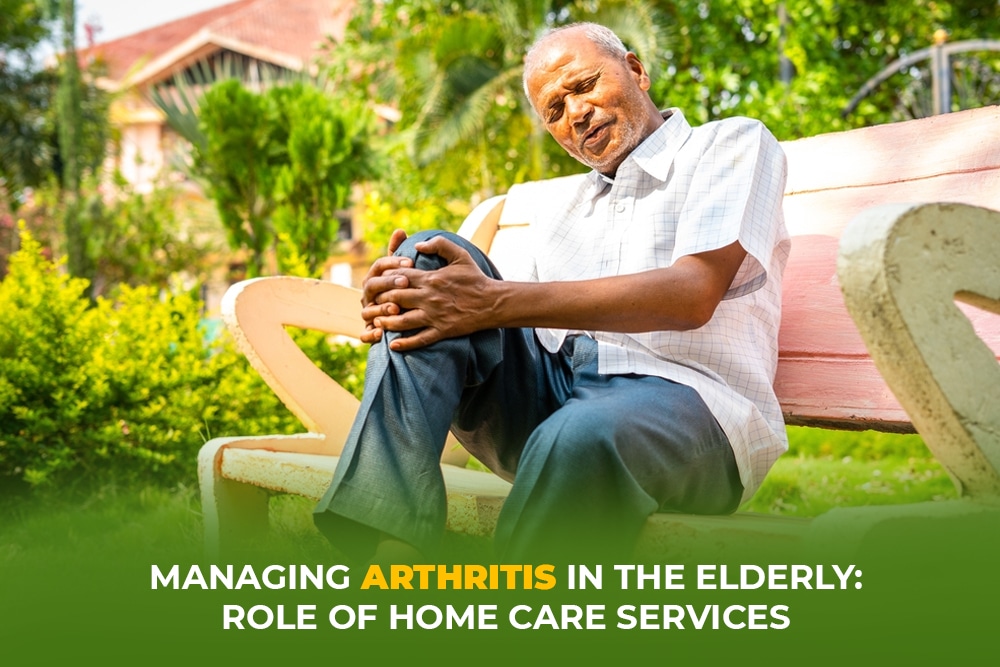
Managing Arthritis in the Elderly: Role of Caretaker Services

Arthritis is a common condition that affects many elderly individuals. It is characterized by inflammation and pain in the joints, making it difficult for seniors to move and perform daily activities. There are several types of arthritis that are prevalent among the elderly population, with the most common ones being osteoarthritis and rheumatoid arthritis.

Osteoarthritis: 

Osteoarthritis is the most common type of arthritis in older adults. It occurs when the protective cartilage that cushions the ends of bones wears down over time. This can lead to pain, stiffness, and swelling in the joints, particularly in the knees, hips, and hands.

Rheumatoid Arthritis: 

Rheumatoid arthritis is an autoimmune disorder that causes the immune system to mistakenly attack the joints. This results in inflammation, pain, and swelling in the affected joints. Rheumatoid arthritis commonly affects the hands, wrists, and feet.

Symptoms: 

The symptoms of arthritis can vary depending on the type of arthritis a person has. Common symptoms include joint pain, stiffness, swelling, redness, and decreased range of motion. Elderly individuals with arthritis may also experience fatigue and difficulty performing daily tasks due to joint pain.

Role of Home Care Services: 

Home care services play a crucial role in managing arthritis in the elderly by providing personalized care and support tailored to the individual’s needs. These services can help improve the quality of life for seniors with arthritis in the following ways:

1. Assistance with Daily Activities: 

Home care aides can assist elderly individuals with tasks such as dressing, bathing, and meal preparation, reducing the strain on their joints and making daily activities more manageable.

2. Medication Management: 

Home care providers can help seniors with arthritis adhere to their medication schedules, ensuring they take their prescribed medications on time and in the correct dosage.

3. Physical Therapy: 

Home care services may include physical therapy sessions to help seniors with arthritis improve joint flexibility, strength, and range of motion. These exercises can help reduce pain and improve mobility.

4. Emotional Support: 

Living with arthritis can be challenging, both physically and emotionally. Home care services can provide emotional support and companionship to elderly individuals, reducing feelings of isolation and improving mental well-being.

5. Fall Prevention: 

Seniors with arthritis are at a higher risk of falls due to joint pain and instability. Home care providers can implement measures to prevent falls in the home environment, such as removing tripping hazards and installing grab bars.

Shree Swami Samarth Patients Seva is a firm based in Mumbai that provides caretakers specifically trained to assist elderly individuals dealing with arthritis and other chronic conditions. Our caregivers are dedicated to providing personalized care and support to ensure that each individual receives the attention they need to manage their arthritis effectively.

In conclusion, managing arthritis in the elderly requires a holistic approach that addresses both the physical and emotional needs of the individual. Home care services play a crucial role in this process by providing practical assistance, emotional support, and promoting independence. Organizations like Shree Swami Samarth Patients Seva play a vital role in supporting elderly individuals with arthritis in Mumbai and beyond.

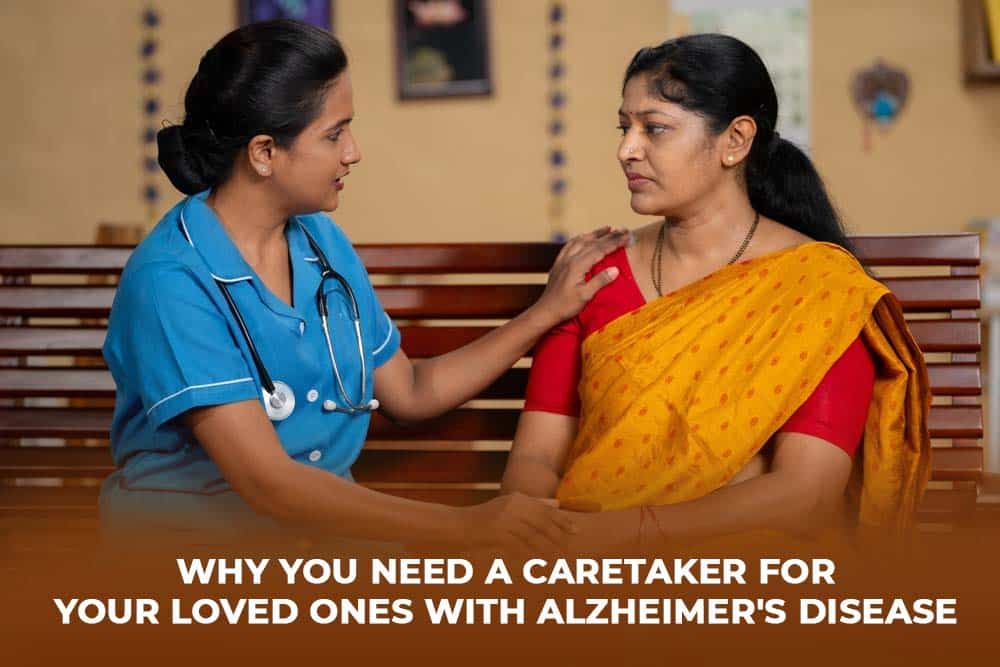
Why You Need a Caretaker for Your Loved Ones with Alzheimer’s Disease

What Is Alzheimer’s Disease

Alzheimer’s Disease is a progressive brain disorder that affects memory, thinking skills, and behavior. It is the most common cause of dementia, a general term for memory loss and other cognitive abilities serious enough to interfere with daily life. The symptoms of Alzheimer’s Disease can vary but often include memory loss, confusion, difficulty completing familiar tasks, and changes in mood or personality.

How Caretakers Can Help

Having a caretaker for your loved ones with Alzheimer’s Disease can make a significant difference in their quality of life. Caretakers are trained professionals who provide support and assistance with the day-to-day nuances of living with Alzheimer’s Disease. They can help with activities such as bathing, dressing, meal preparation, medication reminders, and emotional support.

There are several reasons why having a caretaker for someone with Alzheimer’s Disease is essential. Firstly, caretakers are trained to handle the challenges that come with caring for individuals with Alzheimer’s Disease. They understand the unique needs of those with the disease and can provide specialized care to ensure their safety and well-being.

Secondly, caretakers can help create a structured routine for individuals with Alzheimer’s Disease. Establishing a daily routine can help reduce anxiety and confusion, as well as improve overall quality of life for both the individual with Alzheimer’s Disease and their family members.

Additionally, having a caretaker allows family members to take breaks and rest, knowing that their loved one is in good hands. Caring for someone with Alzheimer’s Disease can be emotionally and physically draining, and having a caretaker can provide much-needed support and respite for family members.

How we can Help?

At Shree Swami Samarth Patients Seva, we understand the importance of providing compassionate care for individuals with Alzheimer’s Disease. Our team of dedicated caretakers is trained to provide personalized care and support to ensure the well-being of your loved ones.

If you are looking for reliable and experienced caretakers for your family member with Alzheimer’s Disease, consider reaching out to Shree Swami Samarth Patients Seva. We are here to help you navigate the challenges of caring for someone with Alzheimer’s Disease and provide the support and assistance you need. Your loved one deserves the best care possible, and our caretakers are here to ensure they receive it.

In conclusion, having a caretaker for your loved one with Alzheimer’s Disease can make a significant difference in their quality of life. Caretakers provide essential support and assistance to help individuals with Alzheimer’s Disease navigate the challenges they face on a daily basis. Consider reaching out to Shree Swami Samarth Patients Seva for reliable and compassionate care for your loved one with Alzheimer’s Disease.

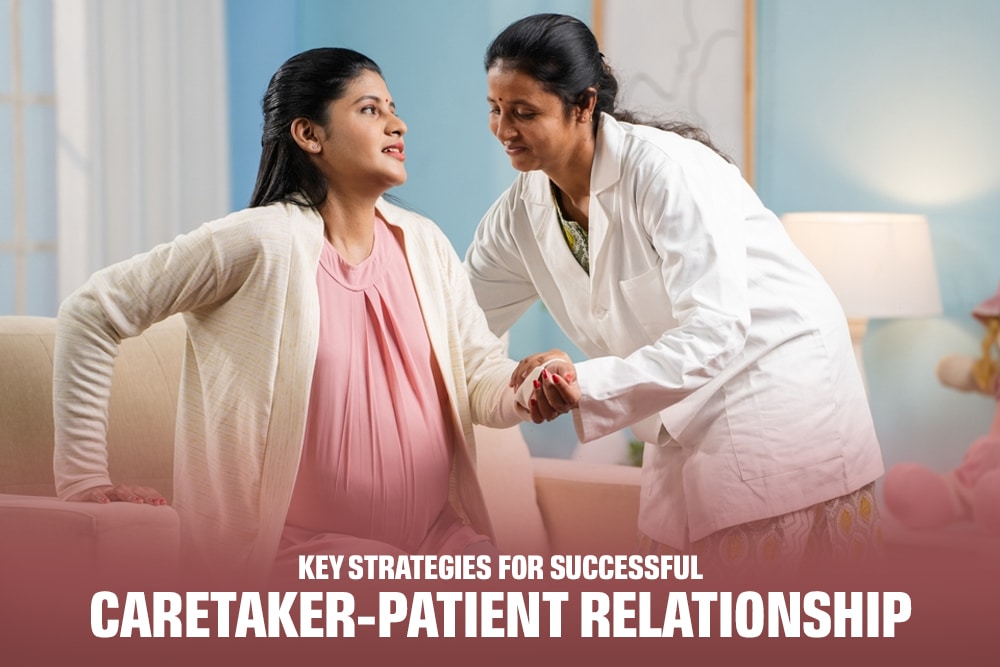
Building a Successful Caretaker-Patient Relationship: Key Strategies and Benefits

Caring for someone who is ill or in need of assistance is a crucial role that requires more than just medical expertise. Building a strong and trusting relationship between caretakers and patients is essential for providing the best possible care and ensuring positive outcomes. In this article, we will explore some key strategies for developing a successful caretaker-patient relationship and the benefits it can bring.

Importance of a Strong Relationship

Establishing a solid bond between caretakers and patients goes beyond the technical aspects of healthcare. It involves creating a supportive environment where patients feel heard, respected, and understood. A positive relationship can enhance communication, foster trust, increase patient compliance with treatment plans, and ultimately lead to better health outcomes.

Key Strategies for Building Trust and Communication

1. Empathy and Compassion

Showing empathy and compassion towards patients can make a significant difference in how they perceive their care. Taking the time to listen to their concerns, understanding their emotions, and providing comfort can help build trust and rapport.

2. Clear Communication

Effective communication is essential in any relationship, especially in the caretaker-patient dynamic. Caretakers should communicate clearly, using simple language that patients can understand. Encouraging open dialogue, active listening, and addressing any questions or concerns promptly can improve patient satisfaction and outcomes.

3. Respect for Autonomy

Respecting the autonomy and preferences of patients is crucial for fostering a sense of control and dignity. Involving patients in decision-making regarding their care, respecting their choices, and empowering them to take an active role in managing their health can lead to better cooperation and satisfaction.

4. Building Trust Through Consistency

Consistency in care delivery, reliability, and honesty are key components of building trust with patients. Keeping promises, following through on commitments, and being transparent about the care process can instill confidence and strengthen the caretaker-patient relationship.

Benefits of a Strong Caretaker-Patient Relationship

1. Improved Health Outcomes

When patients feel supported, understood, and valued by their caretakers, they are more likely to adhere to treatment plans, follow medical advice, and engage in self-care activities. This can result in improved health outcomes, faster recovery times, and reduced hospital readmissions.

2. Increased Patient Satisfaction

A positive relationship between caretakers and patients can enhance overall satisfaction with the care experience. Patients are more likely to feel comfortable, respected, and cared for when they have a strong connection with their caretakers, leading to higher levels of satisfaction and trust in the healthcare system.

3. Enhanced Emotional Well-being

Beyond physical health benefits, a supportive caretaker-patient relationship can also contribute to the emotional well-being of patients. Feeling understood, supported, and valued can reduce stress, anxiety, and feelings of isolation, promoting a sense of emotional security and comfort.

In conclusion, building a successful caretaker-patient relationship is a fundamental aspect of providing high-quality care. By focusing on empathy, clear communication, respect for autonomy, trust-building, and consistency, caretakers can create a supportive environment that promotes better health outcomes, increased patient satisfaction, and enhanced emotional well-being. Prioritizing the human connection in healthcare can truly make a difference in the lives of both caretakers and patients alike. At Shree Swami Samarth Patients Seva, we provide caretaker services in Mumbai. For more details or to inquire about our services, please feel free to contact us.

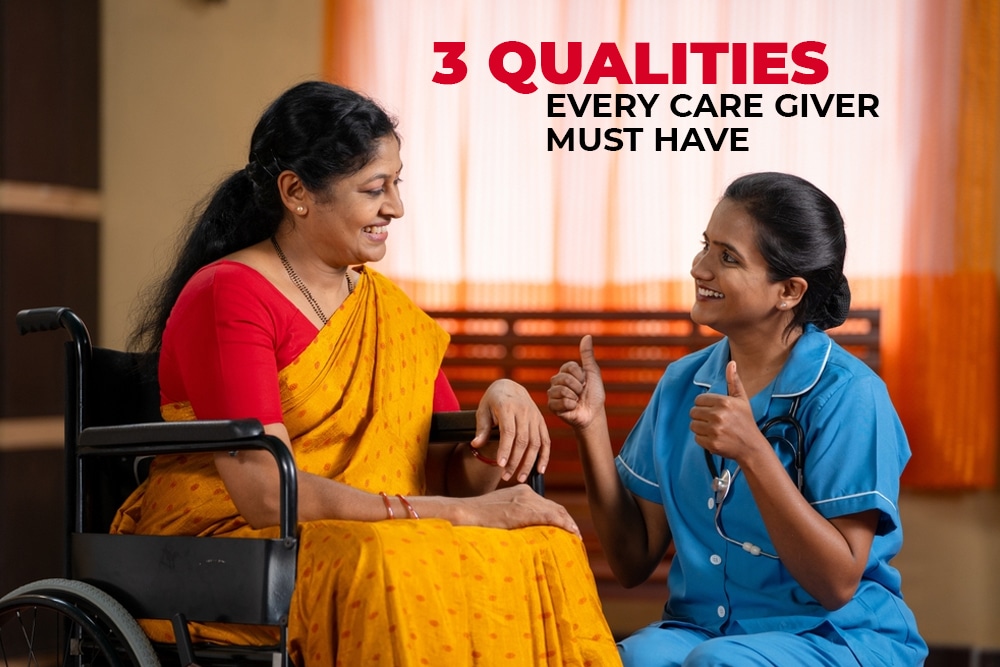
What Makes a Great Caretaker? The 3 Essential Qualities You Need

In the dynamic landscape of caregiving, finding a good caretaker can be a transformative experience for both the individual receiving care and their loved ones. As we embark on this exploration, we tell you the three main qualities that set apart outstanding caretakers, ensuring an unparalleled level of support and compassion.

Empathy: 

Empathy, often considered the bedrock of caregiving, goes beyond mere sympathy. Exceptional caretakers possess an innate ability to understand and share the feelings of those under their care. This emotional intelligence allows them to connect on a profound level, creating an environment of trust and comfort.

Understanding the Unique Needs

A remarkable caretaker understands that each individual has unique needs and challenges. Whether it’s providing companionship for an elderly individual or offering emotional support to someone facing health issues, empathy allows the caretaker to tailor their approach to the specific requirements of those they assist.

Effective Communication

Empathetic caretakers excel in communication. They listen actively, ensuring that the concerns and desires of the individual in their care are heard and addressed. This open line of communication makes a sense of partnership, empowering the person receiving care to actively participate in decisions regarding their well-being.

Competence:

Competence is the second key quality that elevates a caretaker from good to exceptional. It encompasses a wide array of skills and knowledge that contribute to the overall well-being and safety of those entrusted to their care.

Medical Proficiency

Outstanding caretakers possess a solid foundation in medical knowledge. Whether it’s administering medication, monitoring vital signs, or recognizing signs of distress, their competence ensures a secure and health-focused environment.

Adaptability and Problem-Solving

The caregiving landscape is dynamic, often presenting unexpected challenges. A competent caretaker remains adaptable and excels in problem-solving. From adjusting care plans to handling emergencies with grace, their proficiency ensures a seamless experience for those they serve.

Reliability: 

Reliability is the third critical quality that distinguishes extraordinary caretakers. It goes beyond the routine tasks of caregiving, encompassing a steadfast commitment to providing unwavering support and dependability.

Consistency in Care

Exceptional caretakers maintain consistency in their care approach. Whether it’s daily routines, medication schedules, or emotional support, their reliability creates a sense of stability, fostering a positive and secure environment.

Emotional Support and Compassion

Reliable caretakers understand the emotional toll that caregiving can take. Their compassionate approach provides not only physical care but also emotional support, recognizing the importance of addressing the overall well-being of the individual under their watch.

Conclusion

In the realm of caregiving, the exceptional caretaker embodies the qualities of empathy, competence, and reliability. These three pillars form the foundation of unparalleled care, creating a transformative experience for those receiving support. 

We here Shree Swami Samarth Patients Seva is all about lending a helping hand and making a positive difference in people’s lives. Our focus on top-notch healthcare services, especially in nursing and ward boy assistance, reflects our deep commitment to supporting individuals through their tough times. 

Our team, a group of caring and skilled professionals, is dedicated to ensuring that you or your loved ones receive personalized and respectful care. we’re not just healthcare service providers – we’re your companions on the road to recovery, offering care that goes above and beyond. And, we’re proud to share that our past clients have given us glowing reviews, a testament to the quality of our service and the difference we make in their lives. Trust us to be your reliable partners, providing comfort, healing, and peace of mind when it matters the most.


Choosing Excellence in Patient Care: Shree Swami Samarth Patients Seva Home Nursing Services

When you’re looking for good home nursing services, think about a team that does more than just give medicine. They’re like all-around helpers, making sure you’re not just okay medically, but also comfortable and happy. These caregivers go beyond the basics and they help with daily tasks and create an atmosphere that feels safe and respectful. The best part is that they bring high-quality care to your home, making it a comfortable and familiar place to get better.

While looking for the best home nursing services for patient care here are some key factors that one must consider when selecting a home nursing service and highlights some of the standout providers in the field in Mumbai-Maharashtra and Adjoining areas

1. Personalized Care Plans:

A really good home nursing service stands out because it knows how to take care of each patient in a special way. When you’re searching for a service, choose one that focuses on making personalized care plans. They understand that everyone is different, and each person needs their unique plan for staying healthy and feeling good.

2. Skilled and Compassionate Professionals:

The people who take care of you at home must know what they’re doing and care about you. The best home nursing services have a team of really smart and kind nurses, therapists, and helpers. They not only know a lot about medicine but also understand how you feel and show that they care about you. Having a team like this makes a big difference in how well they can help you get better.

3. Comprehensive Range of Services:

Think about choosing a home nursing service that can help with many different health things. This includes having nurses who are good at their jobs, therapy if you need it, and help with daily activities like getting dressed or eating. When a service can do a lot of things, it means they look at everything about your health and take care of you in a complete way. It’s like putting all the pieces together to make sure you get the best care possible.

4. Technological Integration:

In the modern age, the integration of technology can significantly enhance the quality of home healthcare. Look for services that leverage technology for efficient communication, monitoring patient progress, and ensuring seamless continuos of care.

5. Positive Reputation and Reviews:

A stellar reputation is often indicative of a home nursing service’s commitment to excellence. Research and read reviews from other clients to know the satisfaction levels of patients and their families.

6. Accreditation and Certification:

Ensure that the home nursing service holds relevant accreditations and certifications. This guarantees that the service meets or exceeds industry standards, assuring quality and reliability.

7 . Cost and Insurance Considerations:

Investigate whether the home nursing service is covered by the patient’s insurance and assess the overall cost of services. Understanding the financial aspects helps in making an informed decision that goes with the patient’s budget.

When it comes to the best home nursing services for patient care, the emphasis on a comprehensive and compassionate approach cannot be overstated. In the bustling cities of Mumbai, Navi Mumbai, and across Maharashtra, Shree Swami Samarth Patients Seva stands out as a beacon of excellence. With a dedicated team comprising skilled nurses, caretakers, ward boys, and experts in paralysis care and physiotherapy, we take pride in offering a holistic range of services. From personalized care plans to a commitment to understanding the unique needs of each individual, our services extend beyond the ordinary. We strive to create an environment where patients not only receive top-notch medical attention but also experience the warmth and support essential for a swift and thorough recovery. At Shree Swami Samarth Patients Seva, we’re not just providing care; we’re fostering well-being and ensuring that every patient feels truly at home on the path to health.
For more details please click here 
Contact Number: +91 9819679525