

How to Build a Support Network for Elderly Parents When You Can’t Be There

When distance separates you from your aging parents, ensuring their well-being can feel challenging and emotionally taxing. However, establishing a robust support network can provide both you and them with peace of mind. This guide will cover practical ways to build a reliable network of local friends, neighbors, family, and professional caregivers to support elderly parents when you can’t always be there. From organizing regular check-ins to creating emergency contacts, we’ll explore how to create a circle of care that fosters both safety and companionship.

Why a Support Network Is Crucial for Elderly Parents

As parents age, they often face challenges such as health issues, mobility limitations, and social isolation. Having a support network helps address these issues by creating a safety net around them, ensuring someone is there to lend a hand, respond in emergencies, and offer companionship. Building this network can ease their day-to-day struggles and give you reassurance, knowing that your loved ones have reliable people to turn to.

Signs That Your Parents May Need Extra Support

Before creating a network, it’s essential to assess your parents’ needs and understand how much support they require. Common signs that they may need additional help include:

  • Difficulty managing household tasks or self-care
  • Forgetfulness about daily routines or medications
  • Signs of loneliness or social isolation
  • Reduced mobility or difficulty with transportation
  • Medical conditions that require regular monitoring

Steps to Build a Strong Support Network for Your Parents

Creating a dependable support network requires planning, but it can make a tremendous difference in their quality of life. Here’s how to start:

1. Involve Local Family and Friends

  • Extended Family: If your parents have siblings, cousins, or other relatives nearby, arrange for them to check in regularly. Family members often have a sense of commitment and will understand your concerns.
  • Trusted Neighbors: Build relationships with neighbors who can occasionally visit your parents, especially if they live alone. Neighbors can offer quick help and be alert to any unusual activity around your parents’ home.

2. Schedule Regular Check-Ins

  • Weekly Calls and Visits: Schedule regular calls or video chats, and encourage others in your parents’ network to do the same. You could also arrange weekly visits by family or neighbors to provide companionship and help with any tasks.
  • Daily Companions: For more consistent support, consider hiring a daily or weekly companion to spend time with your parents. This can prevent loneliness and ensure they always have someone to rely on.

3. Arrange for Professional Caregiver Services

  • Home Care Services: Professional caregivers can assist with medical needs, personal hygiene, and household tasks. Agencies like Shree Swami Samarth Patients Seva provide trained caregivers who treat elderly clients with compassion and respect.
  • Personalized Care Plans: Caregiver services can be customized to your parents’ unique needs, whether they require daily care or occasional check-ins. These services can offer the reassurance of a skilled, experienced caretaker in your absence.

4. Set Up Emergency and Health Contacts

  • Emergency Contacts List: Keep an accessible list of emergency contacts, including local family members, friends, doctors, and the nearest hospital. Make sure your parents and everyone in their support network have a copy.
  • Medical Alert Systems: Consider installing a medical alert system that allows your parents to call for help at the press of a button. These systems can be lifesaving in case of falls or other emergencies.

5. Ensure Regular Health and Safety Checks

  • Regular Health Check-Ups: Schedule routine medical check-ups for your parents to monitor their health. You could also arrange for a caregiver or family member to accompany them on these visits.
  • Home Safety Improvements: Ensure their home is senior-friendly with added safety features like grab bars in bathrooms, non-slip mats, and adequate lighting. A caregiver can help keep the home clean and safe.

6. Stay Connected Through Technology

  • Video Calls: Video calls can help bridge the gap, allowing your parents to feel closer to you. Apps like WhatsApp or Zoom make it easy to stay visually connected.
  • Simplified Devices: Consider providing user-friendly tablets or smartphones with large screens and straightforward functions, tailored to seniors’ needs. This will make it easier for them to stay in touch with you and others in the support network.

7. Encourage Social Activities and Hobbies

  • Community Engagement: Encourage your parents to join local clubs or senior activities where they can meet friends and stay socially active.
  • Online Hobbies: Many seniors enjoy online activities, such as virtual exercise classes, puzzles, or games, which can help combat loneliness and keep their minds active.

Benefits of Having a Reliable Support Network

A support network brings multiple benefits to your parents:

  • Emotional Support: Knowing they’re not alone can boost their mental health and reduce feelings of loneliness.
  • Physical Assistance: From household chores to emergency help, support members can assist with daily activities, easing their physical burden.
  • Peace of Mind for You: A solid support network means that you can rest assured, knowing your parents are in good hands, even when you’re far away.

Choosing Reliable Care with Shree Swami Samarth Patients Seva

While creating a network of friends, neighbors, and family members is vital, having a professional caregiver can be the anchor that truly completes this support system. At Shree Swami Samarth Patients Seva, we offer compassionate and well-trained caregivers who treat elderly clients with the respect and care they deserve. With years of experience in elderly care, our team members become trusted companions for your loved ones, ensuring their comfort, safety, and happiness. By choosing Shree Swami Samarth Patients Seva, you can feel confident that your parents are in capable hands, even in your absence.

FAQs

Q: How can I tell if my parent needs a caregiver?
A: Look for signs such as difficulty managing daily tasks, memory issues, loneliness, or increased medical needs.

Q: What should I look for in a caregiver?
A: Key qualities include patience, experience with elderly care, compassion, and good communication skills.

Q: How often should a caregiver visit my parents?
A: The frequency depends on your parents’ needs. Some may benefit from daily support, while others may only require weekly check-ins.

Q: Can I build a support network if I don’t have family nearby?
A: Yes, consider involving trusted neighbors, local community members, and hiring a professional caregiver for regular support.

Q: How can technology help me stay connected with my parents?
A: Video calls, messaging apps, and user-friendly devices enable easy communication, helping you stay close to them from afar.

Q: Why should I choose Shree Swami Samarth Patients Seva?
A: We provide experienced caregivers who treat clients like family, ensuring professional and compassionate care tailored to their needs.

How to Recognize When Aging Parents Need Extra Help: Signs to Watch For

As parents age, it can be difficult to determine when they may need additional support. While some may be capable of managing daily tasks independently, others may gradually show signs of increased dependency or declining health. Recognizing these signs early can make a difference in ensuring your loved ones receive the necessary support to live comfortably and safely. This article will provide you with insights into common signs that indicate your aging parents may need extra help and when it may be time to consider additional support or care services.

By the end, you’ll know what to watch for, so you can make the best choices for your parents’ well-being, helping them maintain their quality of life while offering peace of mind for you.

Common Signs to Look For in Aging Parents

As you observe your parents, look for any of these changes in their health, habits, or abilities. Noticing these signs early can help you decide when it may be necessary to intervene or seek professional help.

  1. Difficulty with Daily Activities
    If your parents are struggling with tasks they once handled with ease, such as cooking, cleaning, dressing, or bathing, it could be a sign they need support. These tasks are essential for their well-being, and any challenge in managing them independently may indicate that additional help is required.
  2. Changes in Personal Hygiene
    A decline in personal hygiene, such as wearing the same clothes repeatedly, not bathing regularly, or neglecting grooming, could indicate that your parents are facing physical or mental challenges. These changes might also signal underlying health issues or cognitive decline.
  3. Memory Loss and Confusion
    Forgetfulness is a normal part of aging, but frequent memory lapses, confusion, or difficulty recalling names or places might suggest more serious cognitive issues, like dementia. If your parents often forget appointments, bills, or other important information, it may be time to seek help.
  4. Poor Nutrition or Weight Loss
    Malnutrition, poor diet, or unexplained weight loss are concerning signs. They may indicate that your parents are unable to cook or prepare balanced meals. Physical issues, such as difficulty standing for long periods, could make cooking challenging, or they may have lost their appetite due to loneliness or depression.
  5. Increased Isolation and Withdrawal
    Social interaction is crucial for mental and emotional well-being. If your parents are withdrawing from activities they once enjoyed, avoiding social interactions, or spending extended time alone, they may be experiencing depression, anxiety, or even mobility challenges that make it hard to go out.
  6. Changes in Mobility and Balance
    Mobility issues are common in older adults, and changes in balance can increase the risk of falls. Watch for signs like unsteady walking, difficulty climbing stairs, or needing support when getting up. Falls can lead to serious injuries, so if you notice these changes, consider seeking assistance to prevent accidents.
  7. Signs of Home Disrepair or Neglect
    If you notice an untidy or cluttered home, unattended laundry, expired food, or bills piling up, it may indicate that your parents are struggling to keep up with household tasks. This could be due to physical limitations, memory loss, or other health concerns.
  8. Mood Swings or Behavioral Changes
    Any noticeable changes in mood, such as increased irritability, sadness, or agitation, may indicate emotional distress. Behavioral changes can result from loneliness, physical discomfort, or mental health issues that require attention and support.
  9. Neglecting Medication
    If your parents are skipping or mismanaging their medications, it could be due to forgetfulness, confusion, or difficulty understanding instructions. Medication management is essential, especially for seniors with chronic conditions, and neglecting it can lead to health complications.

When to Seek Professional Help

When you start observing these signs, it may be time to consider additional support or care services. Some families may be able to manage with occasional help, while others may need regular assistance from trained caregivers. If you’re concerned about your parents’ safety or well-being, hiring a caregiver can ensure they receive the necessary support without compromising their independence.

Benefits of Extra Support for Aging Parents

  • Enhanced Safety: With additional help, you can ensure that your parents’ living environment is safe and that they have assistance with mobility or fall prevention.
  • Improved Health Management: Caregivers can help monitor health, ensure medications are taken on time, and assist with medical appointments.
  • Companionship and Emotional Support: Having someone around provides emotional comfort and reduces feelings of loneliness or isolation.
  • Peace of Mind: Knowing your parents are in capable hands helps reduce your worries and stress, especially if you live far away or have other responsibilities.

Conclusion: Professional Care for Your Loved Ones

Recognizing the signs that your parents need extra help can be challenging, but addressing these concerns can make a significant difference in their lives. While nothing replaces your presence, having a compassionate caregiver offers them companionship, safety, and the help they need to enjoy a comfortable life.

At Shree Swami Samarth Patients Seva, we provide skilled and empathetic caregivers who are experienced in elderly care. Our caretakers treat your loved ones like family, helping them manage daily activities, health needs, and providing emotional support. With years of experience, we’re dedicated to ensuring your parents’ well-being, so you can feel confident they’re in good hands. For more information on our services, visit Here

FAQs

  1. What are some early signs that my parents may need help?
    Look for difficulty with daily tasks, memory loss, neglect of personal hygiene, or signs of isolation and withdrawal. These changes can indicate a need for additional support.
  2. How can I talk to my parents about getting extra help?
    Approach the conversation with understanding and empathy. Express your concerns for their safety and well-being, and highlight how extra help can improve their quality of life.
  3. How do caregivers support elderly parents?
    Caregivers assist with daily activities like meal preparation, medication management, hygiene, and offer companionship to prevent loneliness.
  4. How do I know if a caregiver is trustworthy?
    Choose a reputable service provider, like Shree Swami Samarth Patients Seva, that vets its caregivers for reliability and professionalism.
  5. What if my parents are reluctant to accept help?
    Be patient and reassure them of the benefits. Sometimes starting with part-time assistance helps them adjust to the idea of having someone around.

By paying attention to these signs and acting early, you can ensure that your parents receive the care and companionship they need, giving both you and them peace of mind.


How to Maintain Meaningful Communication with Elderly Parents from Afar

Staying connected with elderly parents while living far away can be challenging, especially when they rely on your emotional support and companionship. Distance doesn’t have to mean disconnection. With modern technology and a few thoughtful strategies, you can maintain a meaningful bond with your parents, ensuring they feel cared for and emotionally supported. This article will offer practical tips on how to keep the emotional connection alive, including overcoming technological barriers and finding creative ways to engage with your parents regularly.

By the end of this article, you will have a clear understanding of how to maintain consistent and meaningful communication with your elderly parents, helping both you and them feel more connected and reassured despite the distance.

Why Consistent Communication is Important

For elderly parents, regular communication with their children provides emotional comfort and helps reduce feelings of loneliness and isolation. As they age, their social circles may shrink, making family connections more important than ever. Regular check-ins, even if they are brief, give your parents something to look forward to and ensure they feel valued and remembered.

Maintaining emotional closeness can also reassure you that your parents are safe and healthy. When they feel connected to you, their mental and emotional well-being is significantly improved.

Practical Communication Methods

Here are some effective ways to stay connected with your elderly parents, even from miles away:

  1. Video Calls
    Video calls allow for face-to-face interactions, which create a sense of closeness that phone calls often can’t match. Platforms like WhatsApp, Zoom, or Google Meet are simple to use and ideal for staying connected. If your parents aren’t familiar with these apps, take some time to teach them how to use them. Seeing your face, expressions, and body language adds a personal touch that can make the distance feel smaller.
  2. Phone Check-ins
    Phone calls are another reliable way to stay in touch. While video calls are more engaging, a simple phone call can still provide reassurance and emotional connection. Setting up a regular time for these calls gives your parents a routine to look forward to, ensuring that they know when to expect to hear from you.
  3. Messaging Apps Tailored for Seniors
    Apps like WhatsApp or Telegram are great for quick messages, voice notes, or sending photos and videos. You can use these to share updates, ask how your parents are doing, or just send a quick “thinking of you” message. If your parents are not tech-savvy, opt for simple, user-friendly apps that don’t overwhelm them with too many features.
  4. Family Stories and Virtual Bonding Activities
    Engage with your parents by sharing family stories, old memories, or photos. You can also play virtual games together that are easy to set up, such as online chess, card games, or even trivia. These bonding activities keep the connection strong and give you both something fun to look forward to.
  5. Emails and Letters
    For parents who might not be comfortable with technology, letters or emails can be a meaningful way to communicate. Writing letters adds a personal touch, and your parents can keep and reread them whenever they want. Emails are faster and can be a good alternative if mailing letters regularly isn’t feasible.

Overcoming Technological Barriers

Many elderly parents might feel intimidated by smartphones or computers. Here are some tips to help them navigate these technologies more easily:

  1. Simple Devices
    Equip your parents with devices designed for seniors, such as tablets with large icons, simple interfaces, and voice-activated commands. These devices are easier for them to understand and use.
  2. Step-by-Step Guidance
    Teach your parents how to use apps step by step. Be patient and go over the basics multiple times. Encourage them to practice by sending you short messages or photos to build their confidence.
  3. Remote Tech Support
    Set up remote access software (with their consent) so you can help them troubleshoot any issues with their devices from afar. This reduces their frustration and keeps them engaged with the technology.

Creative Ways to Foster Connection

Maintaining meaningful conversations is essential for emotional closeness. Here are a few ways to keep your interactions with your elderly parents engaging and enjoyable:

  1. Ask About Their Day
    Start every conversation by asking how their day has been, what they’ve done, or how they’re feeling. This keeps the focus on them and makes them feel that their daily life matters to you.
  2. Share Personal Updates
    Keep your parents in the loop by sharing details about your life—your work, friends, hobbies, or even mundane things. These conversations can make them feel included in your life.
  3. Plan Virtual Visits
    Schedule regular virtual visits where you “spend time” together online. You could watch a movie simultaneously, have a virtual meal, or even take them on a virtual tour of your surroundings.
  4. Celebrate Special Occasions Together
    Use video calls to celebrate birthdays, anniversaries, or festivals together. Send them small gifts or flowers to make the occasion special, even from afar.

Benefits of Staying Connected

  • Emotional Reassurance: Your parents will feel less lonely and more supported, knowing you’re thinking about them regularly.
  • Improved Mental Health: Regular conversations and emotional bonding help boost your parents’ mental well-being, reducing anxiety and feelings of isolation.
  • Monitoring Health: Frequent communication also gives you insight into their health and mood, allowing you to notice any changes or concerns that may arise.

Conclusion: Trust Us to Care for Your Loved Ones

While staying connected from afar can ease some worries, having someone physically present to care for your parents is equally important. At Shree Swami Samarth Patients Seva, we provide compassionate, highly-trained caretakers who treat your parents like family. Our caregivers ensure your loved ones receive the daily care, attention, and companionship they deserve, making them feel loved and never alone.

With our extensive experience in caring for the elderly, we offer a range of services to meet your parents’ needs, ensuring their well-being and your peace of mind. Learn more about how we can support your family by visiting www.sssps.in.

FAQs

  1. What if my parents struggle with technology?
    Opt for simple devices with large buttons and an easy interface. You can also guide them step by step on how to use communication apps.
  2. How often should I call my elderly parents?
    It depends on your and their availability, but a consistent routine—whether daily or weekly—can provide comfort and reassurance.
  3. Can I stay connected without using video calls?
    Yes, phone calls, messaging apps, emails, and even handwritten letters are all great ways to stay in touch without relying on video calls.
  4. What are some good bonding activities for virtual calls?
    You can share family stories, play simple online games, watch movies together, or even plan virtual tours of places you want to share with your parents.
  5. How can a caretaker help my parents when I am away?
    A professional caregiver can assist with daily tasks, provide companionship, monitor health, and ensure that your parents are cared for and emotionally supported in your absence.

By incorporating these communication methods and ensuring your parents have the right support system in place, you can stay emotionally connected while living away. With Shree Swami Samarth Patients Seva, your parents will always be in safe hands, receiving the care and companionship they deserve.

Leaving Your Parents in Safe Hands: Choosing the Right Caregiver While You’re Away

As life takes us on different paths, sometimes living far from home is unfortunate. For those with aging parents, this distance can create anxiety and worry about their well-being. Choosing the right caregiver for your parents can help bridge the gap, offering them care, companionship, and security in your absence. In this article, we’ll guide you through the essential qualities to look for in a caregiver and provide tips on how to vet caregivers or agencies to ensure the best care for your elderly parents.

By the end of this article, you’ll feel confident in selecting the right caregiver who will not only meet your parents’ needs but treat them with the kindness and empathy they deserve.

What to Look for in a Caregiver

When choosing a caregiver, there are several qualities that should be non-negotiable. These characteristics ensure that your elderly parents will receive compassionate, reliable, and high-quality care.

  1. Patience
    Elderly individuals often face physical and mental challenges, such as reduced mobility or cognitive decline. A caregiver must be patient, understanding that tasks may take longer and require extra attention. Patience is essential in handling daily routines calmly and effectively.
  2. Experience and Expertise
    Caregivers should have relevant experience in elderly care, especially if your parents have specific medical needs. Experience with administering medication, helping with mobility, and understanding conditions like dementia or arthritis is crucial. A well-trained caregiver will have the knowledge to handle emergencies and ensure your parents’ health is managed properly.
  3. Compassion and Empathy
    A caregiver should go beyond basic care and truly connect with your parents. Compassionate caregivers provide emotional support, easing feelings of loneliness and helping your parents feel valued. They should show empathy by treating your parents with dignity and kindness, just like you would.
  4. Communication Skills
    Clear and open communication is vital. A caregiver needs to communicate effectively with both your parents and you. They should keep you informed of your parents’ condition and any changes in their well-being, providing peace of mind from afar.
  5. Reliability and Trustworthiness
    Your parents need a caregiver who is dependable and trustworthy. When you can’t be there, you want someone who consistently shows up on time and follows through with their responsibilities, providing stability and security.

Tips for Vetting Caregivers and Agencies

Finding the right caregiver takes time and thorough evaluation. Here are some steps you can take to ensure you hire the best person for the job:

  1. Research Caregiver Agencies
    Start by researching reputable caregiver agencies in your area. Look for agencies with a solid track record and positive reviews. Agencies often perform background checks and provide training, which can add an extra layer of assurance.
  2. Conduct Interviews
    Whether you’re hiring an individual or going through an agency, interview the caregiver in person or virtually. Ask them about their experience, approach to care, and specific qualifications. Use these interviews to assess how well they might connect with your parents emotionally.
  3. Check References
    Always ask for and check references. Speaking to past clients can give you insight into the caregiver’s performance, reliability, and attitude. Make sure they have a history of providing consistent, compassionate care.
  4. Observe a Trial Period
    If possible, arrange for a trial period where the caregiver spends time with your parents before making a long-term commitment. This allows you to see how well they manage daily tasks and interact with your loved ones. During this period, gauge your parents’ comfort level and the caregiver’s professionalism.
  5. Ensure Compatibility
    It’s important that the caregiver shares values that align with your family’s needs. Pay attention to how they communicate and how well they bond with your parents. A good caregiver should be able to make your parents feel comfortable, respected, and cared for.

Benefits of Having the Right Caregiver

  • Peace of Mind: Knowing that someone capable and caring is looking after your parents will help reduce your worries while you’re away.
  • Consistent Care: Professional caregivers can offer consistent daily support, ensuring that your parents’ needs are met every day, even when you can’t be there.
  • Companionship: Beyond medical or physical care, a good caregiver offers companionship, which can greatly reduce feelings of loneliness and isolation for your parents.
  • Health and Safety: With experience in elderly care, caregivers can ensure your parents’ health is managed properly, preventing accidents and handling emergencies.

Conclusion: The Right Caregiver Brings Comfort and Companionship

While nothing can replace your presence in your parents’ lives, finding the right caregiver can provide you with peace of mind. Caregivers fill the emotional and physical gaps, offering your parents not only care but also companionship, making sure they never feel alone or neglected.

At Shree Swami Samarth Patients Seva, we understand how hard it can be to entrust your parents’ care to someone else. With our years of experience and highly trained, empathetic caretakers, we treat your parents like our own. Our caregivers provide the comfort, care, and attention your parents need to live safely and happily while you are away. Rest assured that with us, your parents are always in safe, loving hands.

For more information on how our caregiver services can help, visit here or give a call to us at +919819679525. For your reference you also can see reviews on google here

Let us be the trusted hands that provide the care your parents deserve.

FAQs

  1. How do I know if a caregiver is trustworthy?
    To ensure trustworthiness, always hire through reputable agencies or check personal references thoroughly. Conduct interviews and arrange for a trial period to assess their compatibility with your parents.
  2. What should I ask during a caregiver interview?
    Ask about their experience in elderly care, how they handle emergencies, their approach to dealing with challenging behavior, and how they plan to keep your family updated.
  3. What are the signs of a good caregiver?
    A good caregiver will be patient, compassionate, reliable, and experienced. They should make your parents feel safe, valued, and comfortable, while also providing consistent care.
  4. Can a caregiver help with medical needs?
    Yes, many caregivers are trained to assist with administering medications, monitoring health conditions, and ensuring your parents follow medical advice.
  5. How do I ensure my parents are happy with the caregiver?
    Stay in regular communication with both your parents and the caregiver, and consider a trial period before committing to long-term care. Listen to your parents’ feedback to ensure their comfort and happiness.


Ensuring Safety and Care for Aging Parents Living Alone from a Distance

As your parents age, you may worry about their safety and well-being, especially if they are living alone. The challenges of distance, coupled with concerns about fall risks, medical emergencies, and loneliness, can be overwhelming. However, there are practical steps you can take to ensure your parents’ safety and care, even when you’re far away. This article will help you understand the potential problems of elderly parents living alone and provide solutions to give you peace of mind.

Understanding the Problem

  1. Fall Risks and Injuries
    Falls are one of the most common risks for elderly people living alone. With age, mobility declines, and something as simple as a slip in the bathroom or on stairs can lead to serious injury.
  2. Medical Emergencies
    Chronic illnesses like heart disease, diabetes, or respiratory problems can lead to unexpected medical emergencies. Without someone nearby, your parents may not get immediate help when needed.
  3. Loneliness and Isolation
    Living alone can lead to emotional challenges. Loneliness is a common issue, and prolonged isolation can contribute to mental health problems like depression and anxiety.

Why is This a Concern?

When elderly parents live alone, their ability to manage daily tasks, handle emergencies, and maintain a social connection often diminishes over time. If you’re living far away, it’s natural to feel anxious about their safety. Understanding these concerns helps you make better decisions to ensure they stay safe and healthy.

Practical Solutions for Ensuring Safety and Care

  1. Emergency Alert Systems
    One of the best ways to ensure immediate help is available during an emergency is to install an emergency alert system in their home. These systems allow elderly individuals to call for help with the press of a button, ensuring medical assistance is dispatched quickly in case of a fall or other emergencies.
  2. Regular Health Checkups
    Scheduling regular health checkups for your parents helps in early detection of any health issues. If you can’t accompany them, hire a caretaker to ensure they attend their appointments and keep you informed.
  3. Daily Caretaker or Companion
    Consider hiring a daily companion or caretaker to check in on your parents. A professional caregiver can provide physical and emotional support, helping with daily tasks like meal preparation, personal hygiene, and ensuring medication is taken on time. They also offer companionship, reducing the risk of loneliness.
  4. Home Modifications for Safety
    Making home modifications is another practical solution. Installing grab bars in the bathroom, ensuring proper lighting, and removing tripping hazards like loose rugs can drastically reduce the risk of falls.
  5. Video Calls and Regular Communication
    Incorporating technology like video calls allows you to stay connected with your parents despite the distance. Schedule regular calls to check on their well-being and to ensure they have the emotional support they need.

Benefits of These Solutions

  • Peace of Mind: Knowing that there’s someone physically present to take care of your parents helps reduce anxiety and stress.
  • Increased Safety: Emergency alert systems and home safety modifications prevent accidents and ensure immediate assistance.
  • Better Health Management: Caretakers can monitor health conditions, manage medications, and ensure regular health checkups.
  • Emotional Support: A daily companion offers not just physical help but also emotional support, keeping your parents engaged and socially active.

Conclusion: A Caretaker Can Feel Like Family

Although distance may separate you from your aging parents, knowing that a caretaker is watching over them can give you much-needed relief. Caretakers can act like extended family members, offering both emotional and physical support to make your parents feel cared for and loved. They ensure your parents stay safe, healthy, and emotionally connected, which is invaluable for their well-being.

Our caretaker services are designed to give you peace of mind by ensuring that your loved ones are always under attentive, compassionate care. Our caregivers go beyond just assisting with daily tasks – they form a close bond with your parents, making them feel safe, valued, and loved, just like family.


FAQs

  1. What are the signs that my elderly parents need help living alone?
    If your parents show signs of declining mobility, forgetfulness, or frequent falls, or if they seem lonely and isolated, it may be time to arrange for additional support.
  2. How do emergency alert systems work?
    These systems provide a wearable button or device that, when pressed, connects your parents to emergency services, ensuring quick help in case of a fall or health emergency.
  3. What kind of home modifications can improve my parents’ safety?
    Simple modifications such as installing grab bars, improving lighting, removing clutter, and placing non-slip mats in bathrooms can greatly reduce the risk of falls.
  4. How often should a caretaker visit my parents?
    This depends on your parents’ needs. A caretaker can visit daily, a few times a week, or even live in the home to provide full-time support.
  5. Can a caretaker help with medical appointments?
    Yes, a professional caretaker can accompany your parents to medical appointments, ensuring they attend regularly and that important information is communicated to you.

When to Get a Hospital Bed at Home for Elderly Care: Complete Guide


As our loved ones age, their healthcare needs change, and managing their comfort and care at home becomes a priority. If your elderly family member has mobility issues, requires long-term bed rest, or is recovering from surgery or illness, you might need to consider getting a hospital bed at home. This decision can seem overwhelming, but it plays a crucial role in ensuring the comfort, safety, and well-being of your loved one.

This article will guide you through various aspects of when and why you should consider a hospital bed at home. We will discuss the types of health conditions that may require one, how it improves the quality of care, and the various features available. By the end, you’ll have all the information you need to make an informed choice about hospital beds for your elderly family member.

Why Consider a Hospital Bed at Home?

  1. Health Needs and Comfort
    If your elderly loved one spends long hours in bed due to medical conditions like arthritis, paralysis, or after a stroke, a hospital bed can offer customized support and comfort. These beds are designed to adjust in multiple ways, making it easier for the patient to change positions, sit up, or recline without straining themselves.
  2. Enhanced Safety
    For seniors prone to falls or those who experience dizziness, a hospital bed can help lower the risk of injury. With adjustable height settings and built-in rails, these beds ensure they can get in and out safely. If a senior is dealing with dementia or confusion, the safety features prevent accidents that might happen with regular beds.
  3. Better Care Management
    Hospital beds make it easier for caregivers or family members to attend to their loved one’s needs. Whether it’s feeding, repositioning, or hygiene care, the adjustable height and tilt features make caregiving less strenuous for everyone involved.
  4. Medical Conditions that May Require a Hospital Bed
    • Paralysis: A hospital bed allows easier repositioning, which helps prevent bedsores and supports overall comfort.
    • Chronic Pain: Conditions like arthritis or back pain often require better postural support. A hospital bed can provide customized adjustments.
    • Respiratory Issues: Conditions like COPD, sleep apnea, or heart failure benefit from an inclined sleeping position, which is possible with a hospital bed.
    • Post-Surgery Recovery: If an elderly loved one is recovering from surgery (like hip or knee replacement), getting in and out of a standard bed may be difficult. A hospital bed offers the support they need during this period.
  5. Improving Independence
    For seniors who want to maintain their independence while dealing with mobility challenges, hospital beds with motorized controls allow them to adjust positions without needing help, offering a sense of autonomy in managing their comfort.
  6. How a Hospital Bed Benefits the Family
    Caring for an elderly family member at home can be emotionally and physically demanding. A hospital bed reduces the physical strain of caregiving, making tasks like repositioning or personal care much easier for family members. Additionally, with safety features and better control over the patient’s comfort, family members can have more peace of mind knowing that their loved one is being well taken care of.

Types of Hospital Beds Available

When you decide to bring a hospital bed into your home, you will find several options to suit your needs. Here are the types of hospital beds commonly available:

  1. Manual Beds: These beds require manual cranking to adjust positions. They are cost-effective but require more effort from caregivers.
  2. Semi-Electric Beds: These beds allow for electronic adjustments of the head and foot areas but require manual cranking to adjust the bed height.
  3. Fully Electric Beds: The most convenient option, these beds allow full control over height and positioning through a remote control, making it easier for both the patient and caregiver.
  4. Bariatric Beds: Designed for heavier individuals, these beds provide additional width and weight capacity for the patient’s comfort and safety.

Key Features to Look For

  • Adjustable Height: Allows the bed to be raised or lowered, making it easier for caregivers to provide care and for patients to get in and out of bed.
  • Side Rails: Essential for preventing falls, side rails provide an extra layer of security, especially for patients with limited mobility or cognitive impairments.
  • Mattress Options: Consider pressure-relieving mattresses that help prevent bedsores, especially if your loved one will be bedridden for extended periods.
  • Remote Control: A user-friendly control system is vital, allowing patients to adjust their position without assistance.

Additional Considerations

  • Space Availability: Hospital beds are larger than standard beds, so make sure there’s enough space in your home to accommodate one.
  • Financial Assistance: In India, some health insurance plans cover part of the cost of a hospital bed for home use, especially when prescribed by a doctor for specific medical conditions. Always check with your provider for details.
  • Rent or Buy: If you only need the bed for a short time (e.g., during recovery), renting might be a cost-effective option. For long-term needs, purchasing the bed may be more practical.

FAQs

  1. When should I consider a hospital bed at home for my elderly loved one?
    You should consider it when they have mobility issues, chronic health problems, or if they are bedridden and require frequent adjustments for comfort, safety, and care.
  2. Does health insurance cover the cost of a hospital bed in India?
    Some health insurance plans cover part of the cost of a hospital bed if prescribed by a doctor for specific medical conditions. It’s best to check with your insurance provider for details.
  3. Is it better to rent or buy a hospital bed?
    If the need is temporary (post-surgery or during recovery), renting is often more affordable. For long-term use, purchasing may be more cost-effective.
  4. What features should I look for in a hospital bed?
    Key features include adjustable height, side rails, pressure-relieving mattresses, and easy-to-use controls for adjusting positions.
  5. How do hospital beds improve elderly care?
    Hospital beds provide better support for mobility, safety, and comfort. They make caregiving easier and help prevent issues like bedsores, falls, and strain for both the patient and the caregiver.
  6. How much space do I need for a hospital bed at home?
    Hospital beds are larger than standard beds, so make sure you have enough room for both the bed and movement around it.

Conclusion

Choosing to bring a hospital bed into your home for elderly care is a big decision, but it’s often essential for enhancing your loved one’s comfort, safety, and overall care experience. By understanding their health needs and considering the features of different beds, you can make a choice that supports both the patient and the family. Whether you opt to rent or buy, the right hospital bed can make caregiving at home more manageable and improve the quality of life for your elderly loved one.

How to Handle Aggression in Bedridden Patients: A Guide for Families

Caring for a bedridden family member can be emotionally and physically draining, especially when they exhibit aggressive behavior. This guide is designed to help families understand the causes behind such behavior and provide practical strategies for managing it. By reading further, you’ll learn how to address aggression with empathy, create a more peaceful environment, and improve the well-being of both your loved one and the family caregivers involved.

Understanding Aggressive Behavior in Bedridden Patients

Aggressive behavior in bedridden patients often results from frustration, pain, or helplessness. It’s important to remember that your loved one isn’t deliberately trying to hurt anyone – the aggression is usually a sign of deeper discomfort, whether it’s physical or emotional. Understanding this can help you approach these situations with patience and care.

Common Causes of Aggression

  • Physical Discomfort: Bedridden individuals often suffer from pain or discomfort, which they may not always be able to express clearly.
  • Emotional Struggles: Feeling isolated, dependent, or losing control over one’s life can lead to irritability and aggression.
  • Side Effects of Medication: Some drugs may cause mood changes or increased frustration.
  • Cognitive Decline: Conditions like dementia can cause confusion, leading to aggressive outbursts.

Recognizing these causes can help you approach the situation with empathy and provide the right support.

Tips for Managing Aggression

Dealing with aggression in a bedridden loved one is challenging, but these strategies can help make caregiving smoother and reduce tension.

  1. Stay Calm and Compassionate
    • It’s natural to feel upset, but staying calm is key. Speak to your loved one in a soft tone, and avoid reacting emotionally. This can help de-escalate the situation.
  2. Understand Their Needs
    • Try to identify what’s causing the aggression. Are they in pain? Are they feeling anxious or frustrated? Once you figure out the cause, you can take steps to address it.
  3. Ensure Physical Comfort
    • Make sure your loved one is as comfortable as possible. Adjust their position regularly, check that their bedding is clean and soft, and ensure they’re not too hot or cold. Regularly manage any pain with prescribed medication.
  4. Create a Peaceful Environment
    • A calm, quiet room with natural light can help reduce stress. Personalize the space with family photos or familiar objects to make your loved one feel more at home.
  5. Stick to a Routine
    • Having a consistent daily routine can help create a sense of security for your loved one. A stable schedule for meals, medication, and activities can reduce feelings of uncertainty, which may lower aggression.
  6. Encourage Family Involvement
    • Involve other family members in caregiving tasks. Having more familiar faces around can reduce your loved one’s frustration and create a sense of togetherness.
  7. Use Distraction Techniques
    • If you notice aggression building up, try to gently redirect their attention to something calming, like listening to soft music, watching a favorite show, or talking about positive memories.
  8. Seek Professional Help
    • If aggression becomes too difficult to handle, it’s important to get help. Speak with your loved one’s doctor or a healthcare professional who can provide guidance or adjust medications as needed.

Creating a Safe Environment

When aggression arises, safety should always be a priority – both for your loved one and for you.

Steps to Ensure Safety:

  • Use Safety Rails: If your loved one is at risk of falling or moving unexpectedly, consider installing bed rails.
  • Keep the Room Clear: Remove any objects that could cause harm during an aggressive outburst.
  • Stay at a Safe Distance: If your loved one becomes aggressive, give them space and wait for them to calm down before engaging again.

Emotional Support for the Family

Caring for an aggressive bedridden family member can take a toll on your own emotional health. It’s important to seek support from other family members, friends, or even professional counseling if needed. Caregiving is a shared responsibility, and no one should feel like they have to handle everything alone.

FAQs

Q1: What should I do if my loved one becomes aggressive?
A: Stay calm, identify any immediate causes of discomfort, and gently try to redirect their focus. If necessary, step away until the situation calms down.

Q2: Can pain cause aggression in bedridden patients?
A: Yes, untreated or poorly managed pain is a common cause of aggressive behavior. Ensure your loved one’s pain is being properly addressed with medical advice.

Q3: How can I make the caregiving experience easier for myself?
A: Don’t be afraid to ask for help from other family members or professional caregivers. Sharing the responsibilities can lighten the load and give you time to rest.

Q4: Should I contact a doctor about the aggression?
A: Yes, if aggression persists, speak with a doctor. They may adjust medication or recommend additional therapies to help manage behavior.

Q5: How do I prevent aggressive behavior from escalating?
A: Try to maintain a calm environment and stick to a routine. Address any discomforts your loved one may have and use distraction techniques to shift their focus when aggression starts to build.

Conclusion

Managing aggression in a bedridden family member can be one of the toughest aspects of caregiving, but with patience, empathy, and a calm approach, you can help make the experience smoother for everyone involved. By understanding the root causes of aggressive behavior, ensuring comfort, and involving family in care, you can create a more peaceful environment and support your loved one’s well-being. 

If you are looking for caretaker services in Mumbai for your loved ones we at Shree Swami Samarth Patients Seva provide caretaker services, nursing services. For more details contact us here

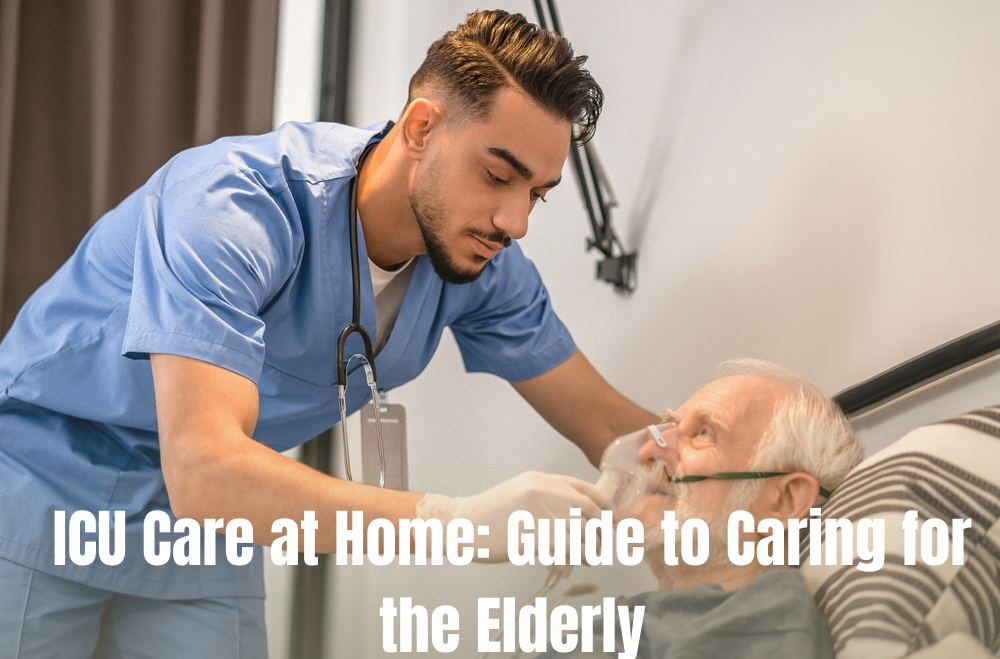
ICU Care at Home: Guide to Caring for the Elderly

In today’s fast-evolving healthcare landscape, providing intensive care for elderly patients at home is gaining popularity. ICU care at home allows elderly patients to receive high-level medical attention without the stress of hospital stays. This article will cover everything you need to know about ICU care at home, from how it works, the benefits, the medical technologies involved, and how it can help reduce hospital readmissions. By the end of this article, you’ll understand why this method is becoming a preferred choice for many families, caregivers, and healthcare professionals.

What is ICU Care at Home?

ICU (Intensive Care Unit) care at home is a specialized service where patients, particularly elderly individuals, receive advanced medical care in the comfort of their homes. It includes all the critical care services typically found in a hospital ICU, such as constant monitoring, advanced medical equipment, and professional medical supervision.

Key Components of ICU Care at Home:

  • 24/7 Monitoring: Continuous monitoring using advanced medical devices.
  • Medical Equipment: Ventilators, cardiac monitors, oxygen therapy machines, etc., are used as required.
  • Professional Care: A team of doctors, nurses, and paramedics who specialize in ICU care.

Benefits of ICU Care at Home for Elderly Patients

  1. Comfort in Familiar Surroundings: One of the biggest advantages is that the patient stays in a familiar environment. Home can be less stressful than a hospital, and being surrounded by personal belongings helps improve emotional well-being.
  2. Personalized Care: ICU care at home allows for more individualized treatment plans. Medical staff can focus solely on the patient without the distractions of a busy hospital setting.
  3. Family Involvement: Families play an essential role in caregiving when ICU care is provided at home. This fosters a sense of togetherness and emotional support for the patient.
  4. Lower Risk of Infections: Hospitals, despite their stringent cleanliness protocols, are often breeding grounds for infections. At home, the risk of catching hospital-borne infections is significantly lower.
  5. Cost-Effective: ICU care in hospitals can be very expensive, particularly for long-term care. Home-based ICU care is often a more affordable option without compromising on the quality of care.

How ICU Care at Home Works

  1. Initial Assessment: A healthcare provider will assess the patient’s condition to ensure that ICU care at home is suitable. This includes evaluating the medical needs, the home environment, and the required equipment.
  2. Setting Up Medical Equipment: Once the patient is approved for home care, the necessary equipment is installed. This includes ventilators, oxygen tanks, and cardiac monitors, among others.
  3. Trained Medical Staff: A dedicated team of doctors, nurses, and therapists will work in shifts to ensure that the patient receives round-the-clock care. This team regularly communicates with the patient’s primary healthcare provider.
  4. Remote Monitoring: With advanced technologies, healthcare professionals can monitor the patient’s vitals remotely, ensuring that any issue is addressed immediately.
  5. Family Involvement and Training: The patient’s family is educated on basic caregiving techniques, including how to handle emergencies until medical staff arrives.

Advanced Medical Technologies Used

  1. Real-Time Monitoring Devices: These devices allow doctors to check the patient’s vital signs from a distance and act quickly in case of any deterioration.
  2. Ventilators and Oxygen Therapy Machines: For patients with respiratory issues, these machines ensure proper breathing support.
  3. Cardiac Monitors: To keep track of the heart’s health, cardiac monitors are used to prevent any major complications.
  4. Mobile Diagnostic Equipment: Blood tests, X-rays, and even ultrasounds can be performed at home with mobile diagnostic tools.

Reducing Hospital Readmissions with ICU Care at Home

  1. Continuous Monitoring: Since the patient is under constant observation, any issues that could lead to readmission are quickly addressed.
  2. Stress Reduction: The comfort of being at home reduces the stress that often exacerbates health problems in elderly patients, making them less likely to experience complications.
  3. Education for Families: Families are trained in preventive care, which reduces the chances of a medical crisis that would require hospitalization.

Challenges of ICU Care at Home

  1. Initial Costs: While ICU care at home can be cost-effective over time, the setup costs for medical equipment can be high.
  2. Medical Emergencies: Despite constant monitoring, emergencies can arise, and immediate hospital transfer may be needed.
  3. Home Modifications: Sometimes, the home environment needs to be adjusted (e.g., installing ramps, oxygen ports), which could be an additional expense.

How to Choose ICU Care at Home

  1. Qualified Service Providers: Research companies or hospitals offering ICU home care services. Ensure they have experienced staff and proper certifications.
  2. Check the Equipment: Ensure that the service provider offers modern, well-maintained equipment.
  3. Ask for Reviews: Speak to other families who have used the service to get firsthand reviews about the quality of care.
  4. Involve Your Doctor: Consult with your healthcare provider to get recommendations or insights into whether ICU care at home is appropriate for your elderly loved one.

FAQs

  1. Is ICU care at home safe for elderly patients?
    Yes, with the right equipment and professional medical staff, ICU care at home can be as safe as hospital-based ICU care.
  2. What kind of patients are eligible for ICU care at home?
    Patients who are stable but require continuous monitoring or specific medical interventions (e.g., ventilators, cardiac monitoring) can be considered for ICU care at home.
  3. How much does ICU care at home cost?
    Costs can vary based on the patient’s medical needs, the length of care, and the equipment required, but it is generally more cost-effective than hospital care in the long term.
  4. Can family members help in caregiving?
    Yes, families are encouraged to be involved in caregiving, and professional staff will train them on basic caregiving techniques and emergency procedures.
  5. How does ICU care at home prevent hospital readmissions?
    By offering continuous monitoring and immediate interventions, ICU care at home can prevent health complications that may otherwise require hospitalization.

Conclusion

ICU care at home is revolutionizing elderly healthcare by providing critical care services in a more comfortable, familiar setting. It ensures that the elderly receive personalized, high-quality care while reducing stress, risk of infection, and hospital readmissions. With the right service provider, medical technology, and family involvement, ICU care at home can offer a holistic, compassionate approach to caring for older patients.

If you’re considering ICU care at home for your loved one, consult with us Shree Swami Samarth Patients Seva at Mumbai- healthcare provider to explore the options and decide if it’s the right fit for your family.