Tips to Maintain Hygiene for Elderly Patients at Home

Caring for elderly loved ones at home, especially those who are ill, is a noble responsibility. Maintaining their hygiene is crucial for their comfort and health. Here are some practical tips to ensure that the hygiene of diseased elderly individuals is maintained effectively.

1. Regular Bathing

  • Frequency: Aim for a bath at least twice a week, or more often if necessary.
  • Method: Use a sponge bath or a shower chair if they are bedridden or have mobility issues.
  • Temperature: Ensure the water is warm, not hot, to prevent burns or discomfort.
  • Products: Use mild soap and shampoo that won’t irritate their skin.

2. Oral Hygiene

  • Daily Care: Brush their teeth twice a day or after every meal if possible.
  • Mouth Rinse: If they struggle with brushing, use an alcohol-free mouthwash to maintain oral health.
  • Dentures: Clean dentures daily and ensure they fit properly to avoid sores.

3. Skin Care

  • Moisturizing: Apply a gentle, unscented moisturizer to prevent dry skin, especially in winter.
  • Pressure Sores: Check for bed sores regularly, especially if they are bedridden, and reposition them every 2-3 hours.
  • Rashes: Monitor for any rashes or infections, particularly in skin folds. Keep these areas dry and clean.

4. Hand Hygiene

  • Regular Washing: Encourage regular hand washing, especially before meals and after using the bathroom.
  • Hand Sanitizer: Use a hand sanitizer when washing isn’t an option.

5. Nail Care

  • Trimming: Keep nails trimmed to avoid accidental scratches.
  • Foot Care: Pay special attention to feet, especially if they have diabetes, to prevent infections.

6. Incontinence Care

  • Frequent Changing: If they use adult diapers, change them regularly to prevent infections.
  • Skin Care: Clean the area thoroughly with each change and apply a barrier cream to protect the skin.

7. Hair Care

  • Brushing: Brush their hair daily to prevent tangles and maintain scalp health.
  • Washing: Wash their hair once a week or as needed, using a gentle shampoo.

8. Clothing and Bedding

  • Clean Clothes: Ensure they wear clean, comfortable clothes daily.
  • Bedding: Change bed linens regularly, at least once a week, or immediately if soiled.
  • Material: Use soft, breathable fabrics that are gentle on their skin.

9. Environmental Hygiene

  • Clean Surroundings: Keep their room clean and well-ventilated. Dust and vacuum regularly to prevent allergies.
  • Sanitize: Regularly sanitize high-touch surfaces like doorknobs, remotes, and bed rails.
  • Fresh Air: Ensure they get fresh air daily, even if it’s just sitting near a window.

10. Emotional Well-being

  • Compassionate Care: Approach hygiene tasks with patience and kindness. Explain each step to them and respect their comfort levels.
  • Involvement: Involve them in the process as much as they are able to maintain their dignity and independence.

11. Medical Supplies

  • Gloves: Use disposable gloves when handling bodily fluids to prevent infections.
  • Wipes: Keep disposable wipes handy for quick clean-ups.
  • Lotion: Use medicated lotion as prescribed for any specific skin conditions.

Conclusion

Maintaining the hygiene of diseased elderly individuals at home is vital for their health and well-being. It requires a gentle approach, proper tools, and a routine that suits their needs. By following these tips, you can ensure that your loved ones remain comfortable and healthy in their own homes. Remember, your care and attention make a significant difference in their quality of life.

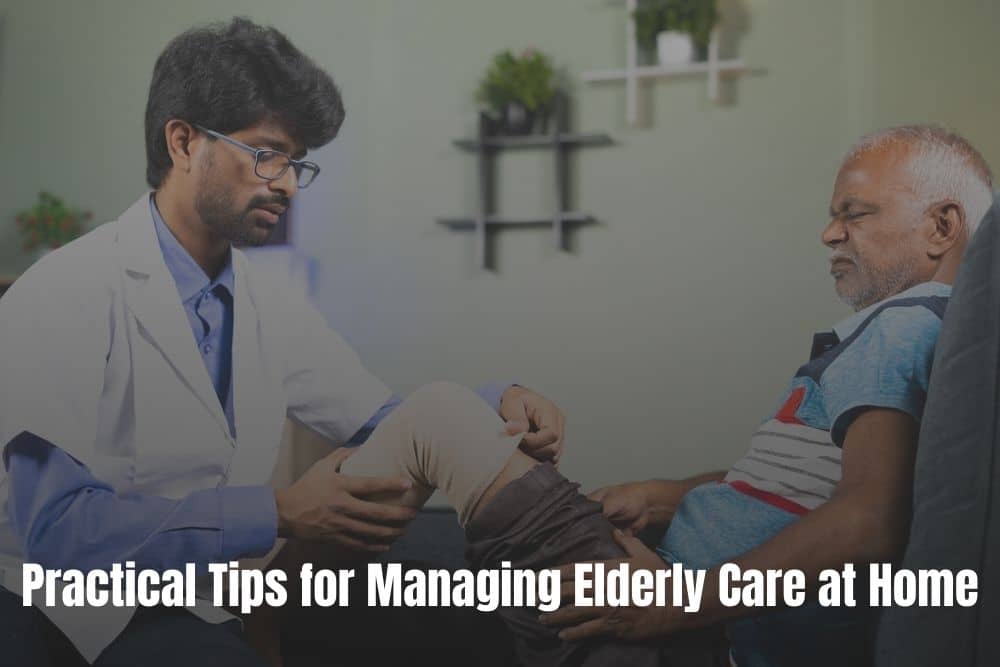
Practical Tips for Managing Elderly Care at Home: Solutions for Common Challenges

Caring for elderly family members at home can be a rewarding experience, but it also comes with its own set of challenges. From ensuring their safety to managing their health needs, there are many aspects to consider. Here are some practical tips to help you manage elderly care at home effectively, providing solutions to common problems.

1. Ensure a Safe Living Environment

Challenge: Preventing accidents and ensuring safety. Solution:

  • Remove Hazards: Clear walkways of clutter, secure loose rugs, and ensure proper lighting throughout the home.
  • Install Safety Features: Grab bars in bathrooms, non-slip mats, and handrails on stairs can prevent falls.
  • Check Appliances: Ensure that kitchen appliances and other devices are easy to use and in good working order.

2. Medication Management

Challenge: Keeping track of multiple medications. Solution:

  • Organize Medications: Use a pill organizer with compartments for each day of the week.
  • Set Reminders: Set alarms or use a medication management app to remind you and your loved one when it’s time to take their medicine.
  • Regular Reviews: Schedule regular check-ups with their doctor to review medications and ensure they are still necessary and effective.

3. Promote Physical Activity

Challenge: Encouraging regular exercise. Solution:

  • Daily Routine: Incorporate light exercises like walking, stretching, or chair exercises into their daily routine.
  • Exercise Programs: Look for community programs or senior centers that offer exercise classes tailored for the elderly.
  • Consult Professionals: Speak with a physiotherapist to design a safe and effective exercise plan.

4. Healthy Nutrition

Challenge: Ensuring a balanced diet. Solution:

  • Meal Planning: Plan meals ahead of time to ensure they are nutritious and balanced.
  • Hydration: Encourage regular water intake to keep them hydrated.
  • Dietary Adjustments: Adapt meals to meet any dietary restrictions or needs they may have, such as low-sodium or diabetic-friendly options.

5. Social Engagement

Challenge: Preventing loneliness and social isolation. Solution:

  • Regular Visits: Schedule regular visits from family and friends.
  • Community Involvement: Encourage participation in local senior groups or clubs.
  • Technology: Teach them how to use video calls or social media to stay connected with loved ones.

6. Mental Stimulation

Challenge: Keeping their minds active and engaged. Solution:

  • Games and Puzzles: Provide crossword puzzles, Sudoku, or other brain games.
  • Hobbies: Encourage activities they enjoy, such as knitting, reading, or gardening.
  • Learning Opportunities: Sign them up for classes or online courses to learn something new.

7. Emotional Support

Challenge: Managing their emotional well-being. Solution:

  • Open Communication: Have regular conversations to understand their feelings and concerns.
  • Professional Help: Seek counseling or therapy if they are dealing with depression, anxiety, or other mental health issues.
  • Support Groups: Connect them with support groups where they can share experiences with peers.

8. Personal Care

Challenge: Assisting with daily personal care needs. Solution:

  • Routine Establishment: Establish a daily routine for bathing, dressing, and grooming.
  • Adaptive Aids: Use adaptive tools such as shower chairs, long-handled brushes, and dressing aids to promote independence.
  • Professional Assistance: Consider hiring a professional caregiver or nurse for more complex care needs.

9. Financial Management

Challenge: Managing their finances and medical expenses. Solution:

  • Budgeting: Create a budget to manage expenses and ensure all bills are paid on time.
  • Financial Planning: Consult with a financial advisor to plan for long-term care costs.
  • Insurance: Review their insurance policies to understand what is covered and ensure they have adequate coverage.

10. Emergency Preparedness

Challenge: Being prepared for emergencies. Solution:

  • Emergency Contacts: Keep a list of emergency contacts easily accessible.
  • Medical Information: Have a detailed medical history and list of medications available for emergency responders.
  • Plan: Develop an emergency plan that includes evacuation routes and procedures.

Caring for an elderly family member at home can be challenging, but with these practical tips, you can address common problems and provide the best possible care. If you need professional assistance, Shree Swami Samarth Patients Seva offers reliable and compassionate services to support you and your loved ones.
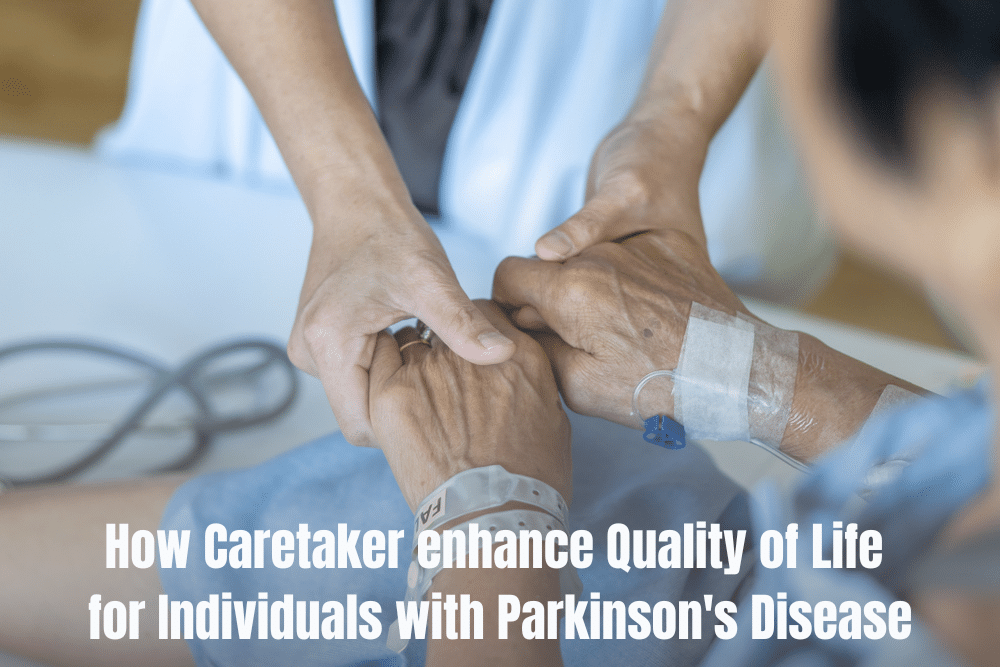
How Caretaker Enhance Quality of Life for Individuals with Parkinson’s Disease

Living with Parkinson’s Disease can present many challenges for individuals and their loved ones. As the disease progresses, those affected often require additional support to maintain their quality of life. Caretakers play a crucial role in providing this support and improving the well-being of individuals with Parkinson’s Disease. Here are some valuable insights on how caretakers can enhance the quality of life for people with this condition:

Understanding Parkinson’s Disease:

Before diving into caregiving strategies, it is essential for caretakers to have a basic understanding of Parkinson’s Disease. This neurodegenerative disorder affects movement and can lead to symptoms such as tremors, stiffness, and difficulty with balance.

Building Trust and Empathy:

Individuals with Parkinson’s Disease require not only physical assistance but also emotional support. Caretakers should cultivate a trusting and empathetic relationship with those they are caring for, as this can greatly enhance the overall care experience.

Providing Physical Assistance:

Tasks that were once simple, such as getting dressed or eating, can become challenging for individuals with Parkinson’s Disease. Caretakers should be prepared to assist with these activities of daily living, ensuring comfort and safety.

Encouraging Independence:

While providing physical assistance is crucial, it is equally important to encourage independence whenever possible. Empowering individuals with Parkinson’s Disease to perform tasks on their own can boost their self-esteem and sense of autonomy.

Ensuring Medication Adherence:

Many individuals with Parkinson’s Disease require medication to manage their symptoms effectively. Caretakers should ensure proper administration of medications as prescribed by healthcare professionals.

Creating a Safe Environment:

Individuals with Parkinson’s Disease are at an increased risk of falls due to balance issues. Caretakers should take steps to create a safe living environment, such as removing trip hazards and installing grab bars where needed.

What Care Seekers Look for in a Caretaker:

When choosing a caretaker for their loved ones with Parkinson’s Disease, care seekers often look for qualities such as compassion, patience, reliability, and experience in caregiving. They seek someone who can provide both physical assistance and emotional support.

In conclusion, for those seeking professional caregiving services for individuals with Parkinson’s Disease, Shree Swami Samarth Patients Seva in Mumbai offers a team of dedicated caretakers, wardboys, and nurses who are trained to provide compassionate and personalized care. Our firm understands the unique needs of individuals with Parkinson’s Disease and strives to enhance their quality of life through expert caregiving services.

By entrusting the care of your loved ones to Shree Swami Samarth Patients Seva in Mumbai, you can rest assured that they will receive the support and attention they deserve to live their lives to the fullest despite the challenges posed by Parkinson’s Disease.

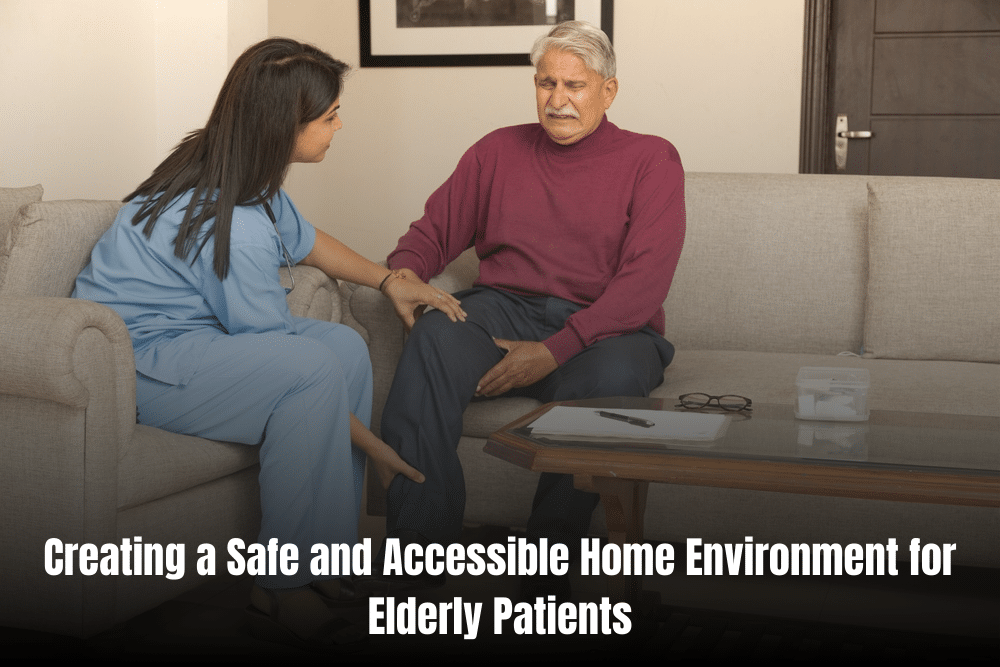
Making Home A Safe and Easy Place for Elderly People

As we age, our homes should evolve with us to ensure safety, comfort, and accessibility. For elderly individuals, a safe home environment is not just a luxury but a necessity. Let’s go deeper into practical tips and strategies to create a home that promotes independence and reduces the risk of accidents for seniors.

Understanding the Challenges

Growing older brings unique challenges, especially in our living spaces. Common hazards like slippery floors, uneven surfaces, and poor lighting can pose significant risks to elderly individuals. Identifying these challenges is the first step towards creating a safer home environment.

Home Modifications

Simple modifications can make a world of difference for seniors. Installing grab bars in bathrooms and near stairs, ramps for easy access, and handrails along corridors are practical changes that enhance safety and mobility. These modifications ensure that seniors can move around their homes confidently and with reduced risk of falls.

Adaptive Equipment

Adaptive equipment plays a crucial role in supporting seniors’ mobility and independence. Walkers, wheelchairs, and lift chairs are examples of adaptive devices that provide physical support and help seniors navigate their homes more comfortably. These tools not only improve mobility but also contribute to seniors’ overall well-being and quality of life.

Organizing for Accessibility

Cluttered spaces can be hazardous, especially for those with limited mobility. Organizing living areas and arranging furniture to create clear pathways ensures easy navigation and reduces the risk of accidents. Removing unnecessary obstacles and keeping essential items within reach can significantly enhance the accessibility of the home for seniors.

Lighting and Visibility

Adequate lighting is crucial for seniors to see clearly and navigate their surroundings safely. Installing bright, non-glare lighting and using nightlights in key areas improve visibility, especially during nighttime. Proper lighting not only prevents accidents but also promotes a sense of security and comfort for seniors.

Bathroom Safety

The bathroom is a high-risk area for slips and falls, making it essential to implement safety measures. Non-slip mats, grab bars near the toilet and shower, and raised toilet seats significantly reduce the risk of accidents. Additionally, ensuring that bathroom essentials are easily accessible further enhances safety and convenience for seniors.

Kitchen Accessibility

Creating an accessible and user-friendly kitchen is essential for elderly patients. Considerations like reachable storage, anti-slip flooring, and easy-to-use appliances make meal preparation safer and more manageable. Seniors can enjoy cooking and dining independently with a well-designed and accessible kitchen environment.

Emergency Preparedness

Developing a comprehensive emergency plan is crucial for ensuring seniors’ safety and well-being. This includes having accessible contact information, clear emergency exits, and readily available medical information in case of emergencies. Regularly reviewing and updating the emergency plan ensures preparedness for any unforeseen situations.

Caregiver Support

Caregivers play a vital role in maintaining a safe home environment for elderly patients. Their continuous support, attention to safety details, and proactive measures ensure comfort and well-being. Regular communication, monitoring of home safety, and addressing seniors’ evolving needs contribute to a supportive and secure living environment.

By addressing these key areas and implementing practical solutions, we can create a home environment that not only meets the needs of elderly individuals but also enhances their quality of life. Safety, accessibility, and caregiver support are the pillars of a secure and comfortable home for our seniors.

We at Shree Swami Samarth Patients Seva provide Nursing Services, Wardboy Services and Caretaker Services for patients in need. For more details contact us.

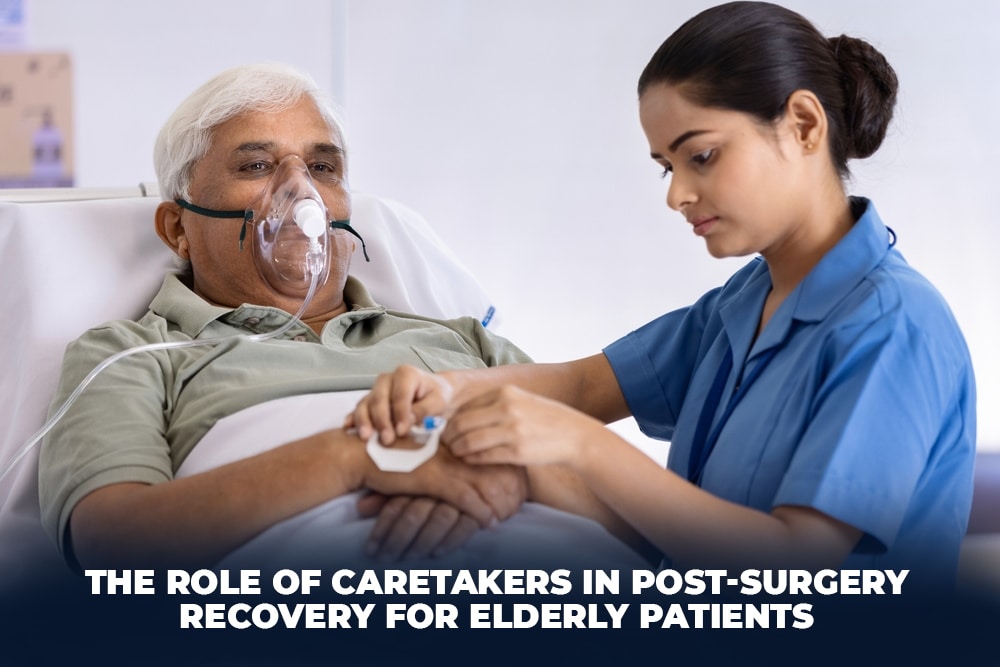
The Role of Caretakers in Post-Surgery Recovery for Elderly Patients

Introduction

Post-surgery recovery can be a challenging period, especially for elderly patients. The importance of proper post-surgery care cannot be overstated, as it directly influences the recovery speed and overall well-being of the patient. This is where caretakers play a crucial role, ensuring a smooth and efficient recovery process.

Importance of Post-Surgery Care for Elderly Patients

Elderly patients often require specialized care and attention after surgery due to their age-related vulnerabilities. Proper post-surgery care helps prevent complications, reduces the risk of infections, and promotes faster healing. It also provides the emotional support needed to navigate the recovery phase.

Role of Caretakers in Ensuring a Smooth Recovery Process

Caretakers are trained professionals who assist patients with their daily activities and medical needs. They play an integral role in the recovery process by:

  • Monitoring health conditions: Keeping track of vital signs and any changes in the patient’s condition.
  • Assisting with medication: Ensuring that medications are taken on time and in the correct dosage.
  • Providing physical support: Helping with mobility, exercises, and ensuring safety to prevent falls.
  • Offering emotional support: Being a companion and providing psychological support to reduce anxiety and stress.

Challenges in Post-Surgery Recovery for Elderly Patients

Common Complications and Recovery Challenges

Elderly patients are more susceptible to post-surgery complications due to factors like weakened immune systems and pre-existing health conditions. Common challenges include:

  • Infections: The risk of infections is higher in elderly patients.
  • Mobility issues: Post-surgery pain and weakness can limit mobility.
  • Nutritional deficiencies: Proper nutrition is critical for healing but can be challenging due to changes in appetite or dietary restrictions.
  • Mental health: Post-surgery depression or anxiety is common in elderly patients.

Physical and Emotional Needs During Recovery

The recovery period can be physically demanding, requiring regular movement and exercises to regain strength. Emotionally, patients may experience fear, frustration, and a sense of helplessness. Addressing both physical and emotional needs is essential for a holistic recovery.

How Caretakers Assist in Post-Surgery Recovery

Medication Management and Wound Care

Caretakers ensure that medications are administered correctly and on time, which is vital for preventing complications and promoting healing. They also handle wound care, keeping surgical sites clean and monitoring for signs of infection.

Physical Therapy and Mobility Assistance

Physical activity is crucial for recovery, but elderly patients often need assistance. Caretakers help with prescribed physical therapy exercises, encouraging movement and helping prevent stiffness and muscle atrophy. They also assist with daily activities, ensuring safety and preventing falls.

Nutrition and Hydration Monitoring

Proper nutrition and hydration are critical for recovery. Caretakers prepare balanced meals that meet the dietary needs of the patient, monitor fluid intake, and encourage healthy eating habits.

Choosing the Right Post-Surgery Caretaker in Mumbai

Qualities and Skills to Look for in a Caretaker

When selecting a caretaker, consider the following qualities and skills:

  • Experience and training: Look for caretakers with experience in post-surgery care and relevant medical training.
  • Compassion and patience: Essential for providing emotional support and handling challenging situations.
  • Communication skills: Ability to effectively communicate with the patient, family, and healthcare providers.
  • Reliability and trustworthiness: Ensuring that the caretaker can be relied upon for consistent and attentive care.

Recommended Post-Surgery Caretaker Services in Mumbai

Shree Swami Samarth Patients Seva (SSSPS) offers top-notch post-surgery caretaker services in Mumbai. Known for their experienced and certified caretakers, SSSPS provides comprehensive post-surgery care packages that are tailored to the individual needs of each patient. Their services include:

  • Personalized Care Plans: Customized plans that address the specific medical and personal needs of the patient.
  • Experienced Caretakers: Trained professionals with extensive experience in post-surgery care for elderly patients.
  • Comprehensive Support: Inclusive of medication management, wound care, physical therapy assistance, and nutritional monitoring.

SSSPS is dedicated to enhancing the recovery process, ensuring that patients receive the best possible care in the comfort of their own homes.

Conclusion

The role of caretakers in post-surgery recovery for elderly patients is invaluable. They provide the necessary medical, physical, and emotional support, ensuring a smoother and faster recovery. Investing in professional caretaker services is essential for the well-being of your loved ones, helping them regain their health and independence.

By understanding the importance of post-surgery care and the critical role of caretakers, families can make informed decisions to ensure the best possible recovery outcomes for their elderly loved ones.

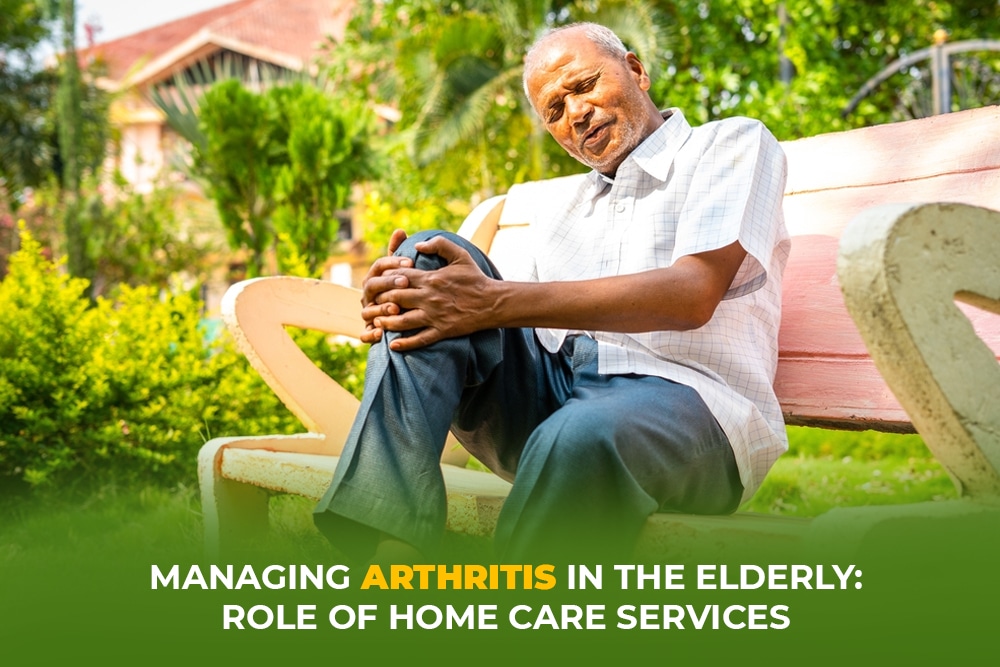
Managing Arthritis in the Elderly: Role of Caretaker Services

Arthritis is a common condition that affects many elderly individuals. It is characterized by inflammation and pain in the joints, making it difficult for seniors to move and perform daily activities. There are several types of arthritis that are prevalent among the elderly population, with the most common ones being osteoarthritis and rheumatoid arthritis.

Osteoarthritis: 

Osteoarthritis is the most common type of arthritis in older adults. It occurs when the protective cartilage that cushions the ends of bones wears down over time. This can lead to pain, stiffness, and swelling in the joints, particularly in the knees, hips, and hands.

Rheumatoid Arthritis: 

Rheumatoid arthritis is an autoimmune disorder that causes the immune system to mistakenly attack the joints. This results in inflammation, pain, and swelling in the affected joints. Rheumatoid arthritis commonly affects the hands, wrists, and feet.

Symptoms: 

The symptoms of arthritis can vary depending on the type of arthritis a person has. Common symptoms include joint pain, stiffness, swelling, redness, and decreased range of motion. Elderly individuals with arthritis may also experience fatigue and difficulty performing daily tasks due to joint pain.

Role of Home Care Services: 

Home care services play a crucial role in managing arthritis in the elderly by providing personalized care and support tailored to the individual’s needs. These services can help improve the quality of life for seniors with arthritis in the following ways:

1. Assistance with Daily Activities: 

Home care aides can assist elderly individuals with tasks such as dressing, bathing, and meal preparation, reducing the strain on their joints and making daily activities more manageable.

2. Medication Management: 

Home care providers can help seniors with arthritis adhere to their medication schedules, ensuring they take their prescribed medications on time and in the correct dosage.

3. Physical Therapy: 

Home care services may include physical therapy sessions to help seniors with arthritis improve joint flexibility, strength, and range of motion. These exercises can help reduce pain and improve mobility.

4. Emotional Support: 

Living with arthritis can be challenging, both physically and emotionally. Home care services can provide emotional support and companionship to elderly individuals, reducing feelings of isolation and improving mental well-being.

5. Fall Prevention: 

Seniors with arthritis are at a higher risk of falls due to joint pain and instability. Home care providers can implement measures to prevent falls in the home environment, such as removing tripping hazards and installing grab bars.

Shree Swami Samarth Patients Seva is a firm based in Mumbai that provides caretakers specifically trained to assist elderly individuals dealing with arthritis and other chronic conditions. Our caregivers are dedicated to providing personalized care and support to ensure that each individual receives the attention they need to manage their arthritis effectively.

In conclusion, managing arthritis in the elderly requires a holistic approach that addresses both the physical and emotional needs of the individual. Home care services play a crucial role in this process by providing practical assistance, emotional support, and promoting independence. Organizations like Shree Swami Samarth Patients Seva play a vital role in supporting elderly individuals with arthritis in Mumbai and beyond.

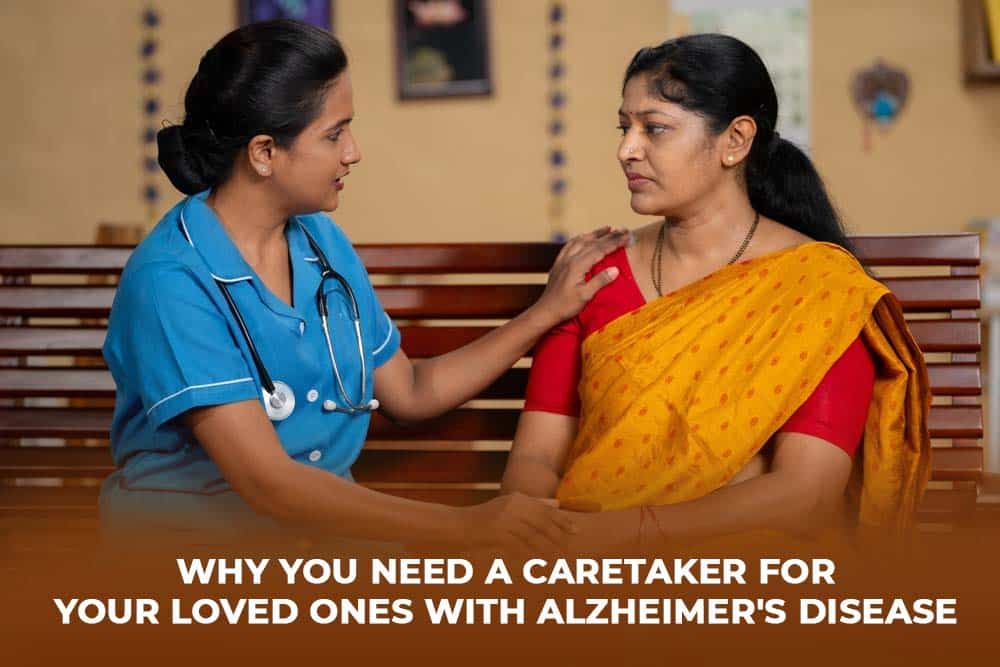
Why You Need a Caretaker for Your Loved Ones with Alzheimer’s Disease

What Is Alzheimer’s Disease

Alzheimer’s Disease is a progressive brain disorder that affects memory, thinking skills, and behavior. It is the most common cause of dementia, a general term for memory loss and other cognitive abilities serious enough to interfere with daily life. The symptoms of Alzheimer’s Disease can vary but often include memory loss, confusion, difficulty completing familiar tasks, and changes in mood or personality.

How Caretakers Can Help

Having a caretaker for your loved ones with Alzheimer’s Disease can make a significant difference in their quality of life. Caretakers are trained professionals who provide support and assistance with the day-to-day nuances of living with Alzheimer’s Disease. They can help with activities such as bathing, dressing, meal preparation, medication reminders, and emotional support.

There are several reasons why having a caretaker for someone with Alzheimer’s Disease is essential. Firstly, caretakers are trained to handle the challenges that come with caring for individuals with Alzheimer’s Disease. They understand the unique needs of those with the disease and can provide specialized care to ensure their safety and well-being.

Secondly, caretakers can help create a structured routine for individuals with Alzheimer’s Disease. Establishing a daily routine can help reduce anxiety and confusion, as well as improve overall quality of life for both the individual with Alzheimer’s Disease and their family members.

Additionally, having a caretaker allows family members to take breaks and rest, knowing that their loved one is in good hands. Caring for someone with Alzheimer’s Disease can be emotionally and physically draining, and having a caretaker can provide much-needed support and respite for family members.

How we can Help?

At Shree Swami Samarth Patients Seva, we understand the importance of providing compassionate care for individuals with Alzheimer’s Disease. Our team of dedicated caretakers is trained to provide personalized care and support to ensure the well-being of your loved ones.

If you are looking for reliable and experienced caretakers for your family member with Alzheimer’s Disease, consider reaching out to Shree Swami Samarth Patients Seva. We are here to help you navigate the challenges of caring for someone with Alzheimer’s Disease and provide the support and assistance you need. Your loved one deserves the best care possible, and our caretakers are here to ensure they receive it.

In conclusion, having a caretaker for your loved one with Alzheimer’s Disease can make a significant difference in their quality of life. Caretakers provide essential support and assistance to help individuals with Alzheimer’s Disease navigate the challenges they face on a daily basis. Consider reaching out to Shree Swami Samarth Patients Seva for reliable and compassionate care for your loved one with Alzheimer’s Disease.

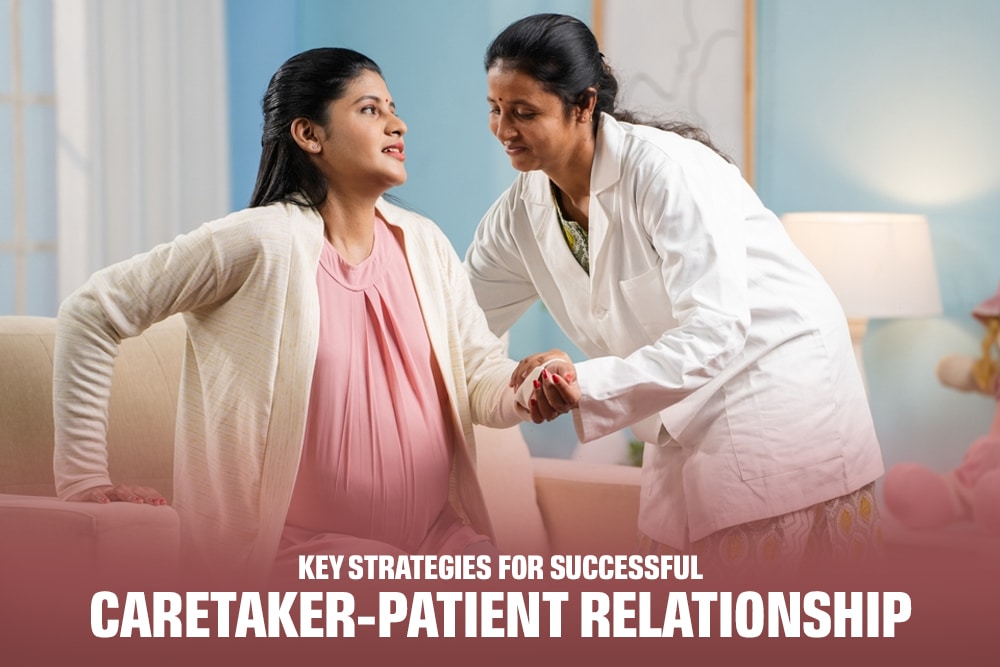
Building a Successful Caretaker-Patient Relationship: Key Strategies and Benefits

Caring for someone who is ill or in need of assistance is a crucial role that requires more than just medical expertise. Building a strong and trusting relationship between caretakers and patients is essential for providing the best possible care and ensuring positive outcomes. In this article, we will explore some key strategies for developing a successful caretaker-patient relationship and the benefits it can bring.

Importance of a Strong Relationship

Establishing a solid bond between caretakers and patients goes beyond the technical aspects of healthcare. It involves creating a supportive environment where patients feel heard, respected, and understood. A positive relationship can enhance communication, foster trust, increase patient compliance with treatment plans, and ultimately lead to better health outcomes.

Key Strategies for Building Trust and Communication

1. Empathy and Compassion

Showing empathy and compassion towards patients can make a significant difference in how they perceive their care. Taking the time to listen to their concerns, understanding their emotions, and providing comfort can help build trust and rapport.

2. Clear Communication

Effective communication is essential in any relationship, especially in the caretaker-patient dynamic. Caretakers should communicate clearly, using simple language that patients can understand. Encouraging open dialogue, active listening, and addressing any questions or concerns promptly can improve patient satisfaction and outcomes.

3. Respect for Autonomy

Respecting the autonomy and preferences of patients is crucial for fostering a sense of control and dignity. Involving patients in decision-making regarding their care, respecting their choices, and empowering them to take an active role in managing their health can lead to better cooperation and satisfaction.

4. Building Trust Through Consistency

Consistency in care delivery, reliability, and honesty are key components of building trust with patients. Keeping promises, following through on commitments, and being transparent about the care process can instill confidence and strengthen the caretaker-patient relationship.

Benefits of a Strong Caretaker-Patient Relationship

1. Improved Health Outcomes

When patients feel supported, understood, and valued by their caretakers, they are more likely to adhere to treatment plans, follow medical advice, and engage in self-care activities. This can result in improved health outcomes, faster recovery times, and reduced hospital readmissions.

2. Increased Patient Satisfaction

A positive relationship between caretakers and patients can enhance overall satisfaction with the care experience. Patients are more likely to feel comfortable, respected, and cared for when they have a strong connection with their caretakers, leading to higher levels of satisfaction and trust in the healthcare system.

3. Enhanced Emotional Well-being

Beyond physical health benefits, a supportive caretaker-patient relationship can also contribute to the emotional well-being of patients. Feeling understood, supported, and valued can reduce stress, anxiety, and feelings of isolation, promoting a sense of emotional security and comfort.

In conclusion, building a successful caretaker-patient relationship is a fundamental aspect of providing high-quality care. By focusing on empathy, clear communication, respect for autonomy, trust-building, and consistency, caretakers can create a supportive environment that promotes better health outcomes, increased patient satisfaction, and enhanced emotional well-being. Prioritizing the human connection in healthcare can truly make a difference in the lives of both caretakers and patients alike. At Shree Swami Samarth Patients Seva, we provide caretaker services in Mumbai. For more details or to inquire about our services, please feel free to contact us.