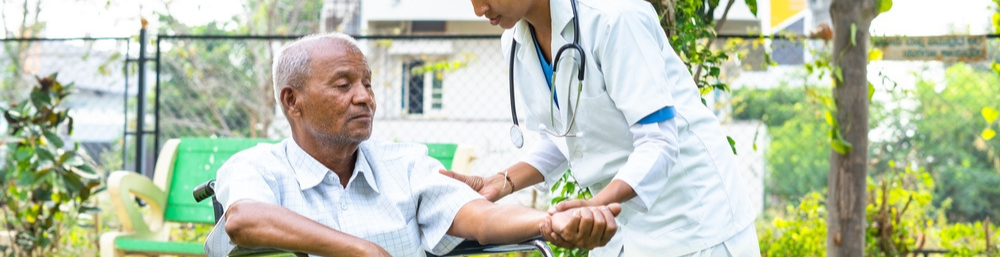

Alzheimer’s Home Care: How Caretakers Can Improve Daily Life for Seniors

Caring for a loved one with Alzheimer’s can be emotionally and physically exhausting—especially when the symptoms begin to affect their everyday life. If you’re a family member trying to balance work, distance, or personal health, it’s natural to feel overwhelmed. That’s where trained caretakers step in.

In this article, you’ll learn how caretakers can make daily life easier, safer, and more comforting for seniors living with Alzheimer’s. We’ll also cover the specific challenges of Alzheimer’s care and why home-based caregiving is often the most supportive option for both seniors and families.

Understanding Alzheimer’s Disease in Seniors

Alzheimer’s is a progressive condition that affects memory, thinking, and behavior. It can make everyday tasks—like remembering names, managing time, or even finding the bathroom—confusing and frustrating.

Common symptoms include:

  • Memory loss that disrupts daily life

  • Difficulty completing familiar tasks

  • Mood swings, confusion, or irritability

  • Wandering or restlessness

  • Difficulty communicating clearly

These symptoms worsen over time, making it harder for seniors to live independently.

Why Home Care is Helpful for Seniors with Alzheimer’s

Home is where your loved one feels safest. Familiar surroundings reduce confusion and anxiety, making home care a preferred choice over institutions.

Having a trained caretaker at home means:

  • Consistent routines, which reduce stress for Alzheimer’s patients

  • Gentle guidance and reminders for daily activities

  • Emotional support during moments of confusion or anxiety

  • Personal attention and care that respects their dignity

How Caretakers Improve Daily Life for Alzheimer’s Patients

1. Establishing Daily Routine

Caretakers maintain a fixed daily schedule—waking up, meals, bathing, rest—which helps reduce confusion and provides comfort through predictability.

2. Assisting with Personal Hygiene

Seniors with Alzheimer’s may forget to bathe, change clothes, or brush their teeth. Caretakers assist with grooming and hygiene, all while maintaining the senior’s comfort and dignity.

3. Ensuring Medication Compliance

Alzheimer’s patients often forget medications or take them incorrectly. Caretakers help with timely and correct dosage, preventing health complications.

4. Providing Emotional Companionship

Loneliness and anxiety are common. A caretaker not only supports physically, but also listens, talks, and builds trust with the senior, easing emotional strain.

5. Preventing Wandering or Accidents

Caregivers stay alert to signs of wandering or restlessness and take preventive steps to ensure safety—like locking unsafe areas or staying nearby during walks.

6. Helping with Meals and Nutrition

Caretakers help prepare or feed healthy meals, ensuring proper nutrition, hydration, and mealtime support—crucial when patients forget to eat or resist food.

Peace of Mind for Families

When you hire a trained Alzheimer’s caretaker:

  • You can focus on your own work and responsibilities

  • You avoid caregiver burnout or guilt from not doing enough

  • You know your loved one is receiving kind and professional care every day

Alzheimer’s Care at Home by Shree Swami Samarth Patients Seva

At Shree Swami Samarth Patients Seva (www.sssps.in), we provide trained and compassionate caretakers who specialize in caring for seniors with Alzheimer’s.

Our team is trained to:

  • Handle confusion and aggression with patience

  • Offer 24/7 support and emotional reassurance

  • Monitor health and coordinate with doctors if needed

  • Maintain dignity and comfort throughout the day

We understand that Alzheimer’s care isn’t just about tasks—it’s about trust, compassion, and being present.

FAQs About Alzheimer’s Home Care

Q1: When should I consider hiring a caretaker for Alzheimer’s care?
If your loved one is forgetting daily tasks, becoming confused often, or if you’re struggling to balance care with your responsibilities, it’s time to seek help.

Q2: Can home caretakers handle aggressive or confused behavior?
Yes. Trained caregivers know how to manage mood changes, agitation, or wandering with calm, respectful strategies.

Q3: Is home care better than a nursing home for Alzheimer’s patients?
Many families find home care better in early to mid-stages, as it keeps the senior in familiar surroundings, reducing distress and confusion.

Q4: What kind of training do your caregivers receive?
At Shree Swami Samarth Patients Seva, our caregivers are trained in elderly care, memory care, hygiene, emergency response, and emotional support techniques.

Q5: Can I get 24-hour Alzheimer’s care at home?
Yes, we offer both part-time and 24/7 care services, based on your family’s needs.

Conclusion

Alzheimer’s care is not easy—but you don’t have to handle it alone. A trained, kind, and experienced caretaker can make life easier, safer, and more peaceful for both your parent and your family.

At Shree Swami Samarth Patients Seva, we’ve helped countless families across India provide loving, professional care at home. Your loved one deserves comfort. And you deserve peace of mind.

Visit www.sssps.in to learn more or book a caretaker today.

Caring for Elderly with Weak Immunity: Why a Nurse is Needed Every Day

As our parents or grandparents grow older, their immune system naturally becomes weaker. This means they are more vulnerable to infections, delayed healing, and complications from even minor illnesses. For families, this brings a constant worry—are they safe when we’re not around?

This article explains the risks of low immunity in elderly people, how a daily caregiver or nurse can help, and why having professional support at home can make a world of difference. If you’re concerned about your elderly parent’s health, this guide will help you understand when and why daily care becomes essential.

Why Do Seniors Have Weaker Immunity?

As the body ages, several changes lead to weaker immune defenses:

  • Slower white blood cell response to infections

  • Reduced ability to fight off bacteria and viruses

  • Chronic conditions like diabetes, heart disease, or kidney issues weaken the body further

  • Nutrient deficiencies and poor diet affect immune health

This is why seniors often catch the flu, infections, or even pneumonia more easily—and take longer to recover.

Common Health Risks Due to Weak Immunity

  1. Frequent Cough, Cold, or Fever

  2. Slow Wound Healing

  3. Urinary Tract Infections (UTIs)

  4. Skin Infections or Bedsores

  5. Complications from Minor Illnesses

Even a simple fever in a senior can become serious if not managed in time. This is where daily monitoring and early care matter the most.

How a Daily Nurse or Caregiver Helps

1. Regular Health Monitoring

Daily checks of temperature, blood pressure, oxygen levels, and other vitals help catch signs of infection early.

2. Timely Medication & Supplements

Many seniors forget to take their medicines or take the wrong dose. A caregiver ensures correct and timely medication, including immune-boosting supplements.

3. Nutritional Support

A healthy diet is key to immunity. Caregivers help plan and prepare nutritious meals, keep the elderly hydrated, and monitor food intake.

4. Hygiene & Cleanliness

Caregivers assist with personal hygiene, bathing, changing clothes, and maintaining a clean living space to prevent infections.

5. Wound Care & Bed Sore Prevention

Nurses manage minor wounds or cuts professionally and help bedridden patients change positions regularly to prevent bedsores.

6. Vaccination Reminders & Doctor Follow-Ups

A nurse or caretaker helps schedule regular health checkups, and reminds families about essential vaccines like flu or pneumonia shots.

Peace of Mind for Families

When a trained caregiver is present every day:

  • You know your loved one is being monitored and cared for

  • You don’t need to worry about emergencies or neglected symptoms

  • Your parent feels less lonely and more supported

  • You can focus on your job, family, or responsibilities without constant stress

Why Choose Shree Swami Samarth Patients Seva?

At Shree Swami Samarth Patients Seva (www.sssps.in), we provide trained nurses and caretakers who specialize in elderly care for those with weak immunity or chronic health issues.

Our caregivers are:

  • Experienced in daily health monitoring

  • Trained in hygiene and infection control

  • Compassionate, respectful, and available for long-term care

We serve families across India, ensuring that your parents are never alone, even when you’re far away.

FAQs: Elderly Care for Weak Immunity

Q1: How do I know if my parent has weak immunity?
If they often fall sick, take long to recover, or catch infections easily, it’s likely their immunity is low.

Q2: Can a caregiver prevent infections at home?
Yes. By maintaining hygiene, helping with healthy meals, and monitoring early symptoms, a caregiver greatly reduces infection risk.

Q3: Should I hire a nurse or a regular caretaker?
If your parent needs help with medical care (like injections, wound care), hire a nurse. For daily assistance like hygiene and meals, a trained caretaker is suitable.

Q4: Is home care better than hospital for immunity-related conditions?
In many cases, yes. Home care reduces the risk of hospital-acquired infections and provides comfort.

Q5: How do I start care services with Shree Swami Samarth Patients Seva?
Visit www.sssps.in or contact us to discuss your needs. We’ll recommend the right caregiver for your parent.

Conclusion

Elderly parents with weak immunity need more than just love—they need daily, attentive care to stay safe and healthy. A professional nurse or caregiver is not just a helper, but a protector, companion, and watchful eye when you can’t be there.

Let Shree Swami Samarth Patients Seva be your trusted partner in ensuring your loved one gets the care they truly deserve—every day, right at home.
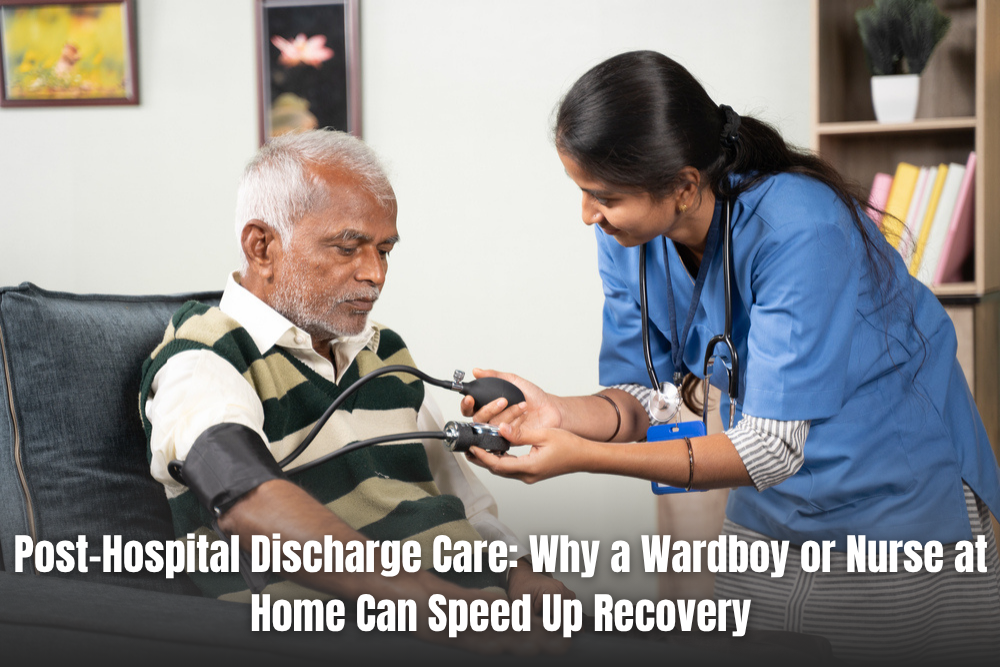
Post-Hospital Discharge Care: Why a Wardboy or Nurse at Home Can Speed Up Recovery

When a loved one is discharged from the hospital, especially an elderly parent the real challenge often begins at home. While it’s a relief to leave the hospital, the recovery process is far from over. In many cases, what a patient really needs during this phase is close attention, medical support, and day-to-day help that family members may not be trained or available to provide.

This article explains why hiring a wardboy or nurse for home care after hospital discharge can make a big difference in how well and how quickly your loved one recovers. By the end, you’ll understand how professional care at home can bring you peace of mind and promote safe healing for your elderly family members.

Why Recovery at Home Needs Extra Support

Hospital stays are short. Patients are often sent home once their condition is stable—not necessarily fully healed. This means they still need:

  • Regular medication

  • Wound care or dressing changes

  • Assistance with movement

  • Diet and fluid monitoring

  • Medical observation for signs of relapse

For elderly patients, the risks are higher: poor mobility, low immunity, or memory issues can make post-discharge recovery slow and risky without proper care.

How a Wardboy or Home Nurse Helps in Post-Discharge Care

1. Medication Management

Elderly patients are usually prescribed a mix of medicines after hospitalization. A trained nurse or ward boy ensures timely and correct doses, preventing missed or wrong medication.

2. Wound & Dressing Care

If surgery was involved, or if there are wounds or stitches, a home nurse can perform regular dressing, keep infections away, and alert the family or doctor in case of complications.

3. Help with Mobility & Transfers

Getting out of bed, going to the bathroom, or sitting on a chair—these basic tasks can be tough after discharge. A wardboy helps with safe movement, preventing falls or muscle strain.

4. Monitoring Health Vitals

Daily checks on blood pressure, sugar, temperature, oxygen level, etc., help spot warning signs early. Nurses also keep a record that can be shared with doctors if needed.

5. Assistance with Personal Hygiene

Bathing, brushing, using the toilet—your loved one may need support with basic hygiene. Trained caregivers assist with dignity and care, maintaining cleanliness and comfort.

6. Diet and Fluid Monitoring

Post-discharge diet is important for recovery. A caregiver can prepare or assist with appropriate meals as per the doctor’s instructions and ensure hydration is maintained.

Benefits for Family Members

When a wardboy or nurse takes over the daily care, it means:

  • You don’t have to worry about medical tasks or round-the-clock supervision.

  • The patient gets professional attention without needing to be readmitted.

  • You avoid caregiver burnout and can focus on emotional support.

When to Consider Home-Based Nursing or Wardboy Services

You should consider hiring professional help if:

  • Your parent has been discharged after surgery or ICU stay

  • They are bedridden or have limited mobility

  • There’s a need for injections, catheter care, or wound dressing

  • You live far away or cannot be present 24/7

  • Your parent lives alone

Our Expert Care Services Can Help

At Shree Swami Samarth Patients Seva, we provide trained nurses, wardboys, and caretakers who are experienced in post-hospital recovery support. Our team ensures your loved one gets safe, respectful, and professional care—just like they would in a hospital, but in the comfort of their own home.

Whether it’s short-term recovery or long-term elderly care, we offer flexible plans across major cities in India. We don’t just assist—we care like family.

FAQs: Post-Hospital Discharge Care at Home

Q1: Can I manage post-discharge care on my own?
You can try, but medical tasks like wound care or vitals monitoring are best done by trained professionals.

Q2: What’s the difference between a wardboy and a nurse?
A nurse handles medical needs (like injections or dressings), while a wardboy helps with physical support like moving, hygiene, and feeding.

Q3: How long do I need to hire someone post-discharge?
It depends on the condition. Some patients recover in a week, others may need 30+ days. We offer flexible services.

Q4: Is home care cost-effective compared to hospital stays?
Yes, it’s more affordable and comfortable than prolonged hospitalization while still offering professional support.

Q5: How do I hire a nurse or wardboy from Shree Swami Samarth Patients Seva?
Simply visit www.sssps.in or contact us directly. We’ll assess your needs and arrange the right professional for your home.

Conclusion

Post-discharge is not the end of care, it’s a critical healing period. Don’t let your elderly parent go through it without the right support. A trained wardboy or nurse can offer expert care, comfort, and safety right where they feel most secure: at home.

With Shree Swami Samarth Patients Seva, you’re not just hiring help—you’re choosing peace of mind, faster recovery, and heartfelt care for your loved one. Visit SSSPS to learn more or book a service today.

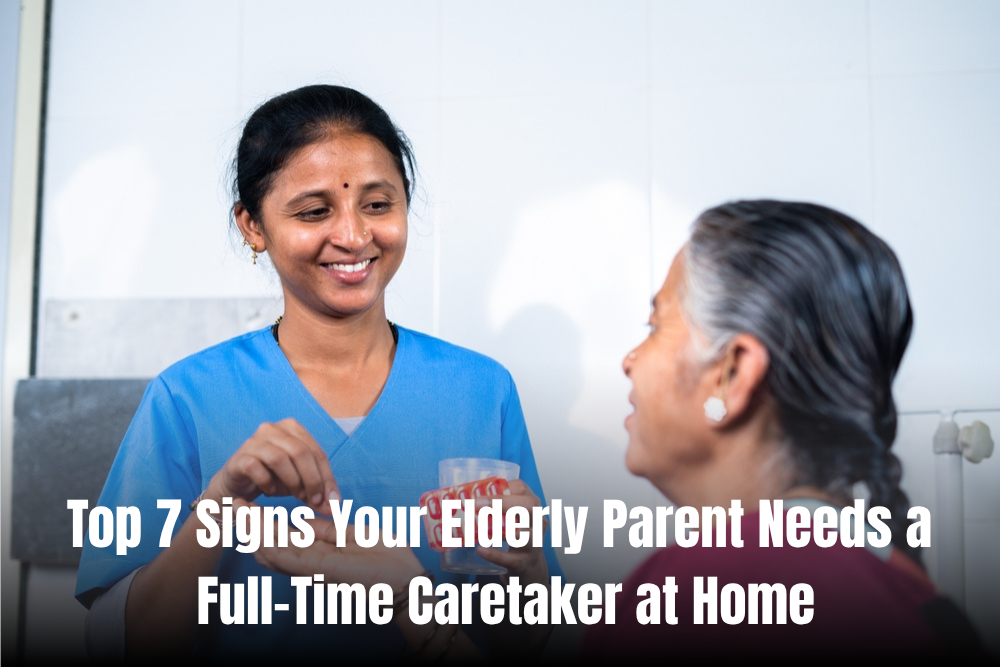
Top 7 Signs Your Elderly Parent Needs a Full-Time Caretaker at Home

As parents age, their needs and abilities change—sometimes slowly, and other times suddenly. While occasional help might be enough at first, there may come a time when your elderly parent requires full-time care to stay safe, healthy, and comfortable at home.

In this article, we’ll guide you through 7 clear signs that suggest your loved one might benefit from the support of a full-time caretaker, especially if you or other family members are unable to be there 24/7. By the end, you’ll know how to spot these red flags and what to do next to ensure they get the right care.

1. Frequent Falls or Trouble Moving Around

If your parent has fallen more than once, struggles to walk without support, or has trouble getting up from a chair or bed, this is a major sign. Lack of mobility increases the risk of injury, especially if they live alone. A full-time caretaker can help with movement, assist during bathroom trips, and prevent falls.

2. Missed Medications or Confusion About Dosages

Many elderly people take multiple medicines daily. If your parent is forgetting doses, taking the wrong medicine, or getting confused about timing, it can lead to serious health issues. A trained caretaker can ensure proper medication management and even monitor for side effects.

3. Poor Personal Hygiene and Unclean Living Conditions

Is your parent not bathing regularly? Wearing the same clothes for days? Not keeping their home clean? These are signs they may be physically or mentally unable to take care of themselves. A full-time caretaker helps with bathing, grooming, cleaning, laundry, and other day-to-day hygiene needs.

4. Memory Loss or Behavioral Changes

If you’ve noticed increased forgetfulness, confusion, mood swings, or signs of dementia or Alzheimer’s, it may be unsafe for your parent to be left alone. A full-time caregiver can provide supervision, structure, and companionship while reducing anxiety and confusion.

5. Difficulty Cooking or Eating

A parent who forgets to eat, skips meals, or no longer cooks healthy food may be at risk of malnutrition. A caretaker ensures they get regular, balanced meals, helps with feeding if needed, and encourages hydration throughout the day.

6. Health Conditions That Need Regular Monitoring

Chronic illnesses like diabetes, heart disease, COPD, or post-surgery recovery may require close watch. If your parent’s health condition needs daily checks, insulin administration, or physiotherapy, a full-time nurse or caretaker can manage it professionally.

7. Emotional Isolation and Depression

If your parents seem lonely, withdrawn, or unhappy, especially after losing a partner or living far from family, their emotional well-being may be at risk. A full-time caregiver provides not just physical help, but emotional support, companionship, and daily interaction to keep their spirits up.

Why Full-Time Care Makes a Difference

Hiring a trained, trustworthy caretaker isn’t just about medical needs. It gives your parent:

  • Dignity in daily routines

  • Safety in their own home

  • Comfort from knowing someone is always there

  • Peace of mind for you, knowing they’re never alone

When to Take the Step

If you notice two or more of the above signs consistently, it’s time to consider full-time help. It’s not a failure—it’s an act of love, responsibility, and care.

How We Can Help

At Shree Swami Samarth Patients Seva (www.sssps.in), we provide experienced, compassionate caretakers for elderly patients across India. Whether your loved one needs help with mobility, hygiene, medication, or simply someone to talk to—we’re here, like extended family.

FAQs: Full-Time Elderly Care at Home

Q1: Can I hire a full-time caretaker even if my parent is not bedridden?
Yes. Full-time care helps even active seniors who need support with meals, medication, mobility, or safety.

Q2: What’s the difference between a nurse and a caretaker?
Caretakers focus on daily support—like hygiene, meals, and mobility. Nurses provide medical care like injections or post-surgical monitoring.

Q3: Is full-time elderly care expensive in India?
It depends on your location and needs. At SSSPS, we offer affordable, customizable plans suited to every family.

Q4: Will my parent be comfortable with a new person at home?
Our caretakers are trained to build trust and comfort through gentle communication and professional behavior.

Q5: How soon can I get help from Shree Swami Samarth Patients Seva?
We offer quick onboarding and 24/7 service options across major cities in India. Visit www.sssps.in to get started.

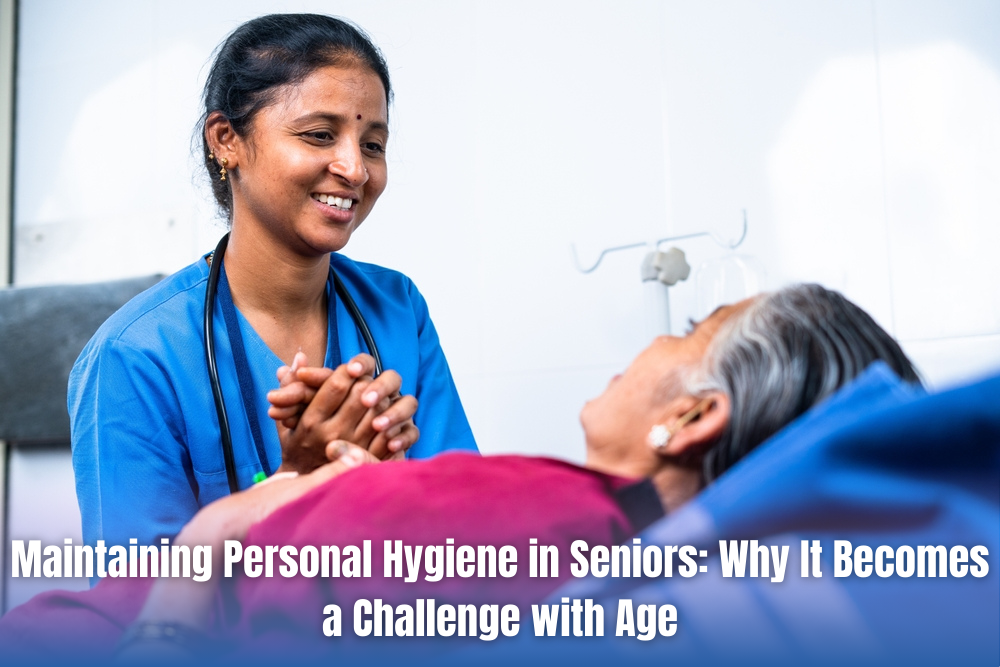
Maintaining Personal Hygiene in Seniors: Why It Becomes a Challenge with Age

As our parents or grandparents grow older, maintaining personal hygiene, something once routine and effortless can become a real challenge. From bathing and brushing to changing clothes or using the toilet, these basic tasks can feel overwhelming for many seniors due to a mix of physical, mental, and emotional factors.

In this article, we’ll explore why personal hygiene often declines with age, what warning signs to watch for, and how caregivers or family members can offer support with dignity and compassion.

Why Personal Hygiene Declines in Older Adults

1. Limited Mobility

Arthritis, joint pain, or muscle weakness can make it hard to stand in the shower, bend down to clean, or even hold a toothbrush steadily. Seniors may avoid bathing or grooming to avoid discomfort or fear of falling.

2. Cognitive Decline

Conditions like dementia or Alzheimer’s may cause confusion or forgetfulness. Seniors may forget to bathe, believe they’ve already done so, or resist assistance due to confusion or fear.

3. Depression or Loneliness

Seniors who feel isolated or depressed may lose interest in self-care. Apathy, low energy, and feelings of “what’s the point” are common signs of depression in the elderly that reflect in their hygiene.

4. Fear of Slipping or Injury

Bathrooms can feel like dangerous places. Fear of falling while bathing or getting injured without help nearby often makes seniors avoid regular hygiene routines.

5. Urinary or Bowel Incontinence

Elderly individuals who experience incontinence may feel embarrassed or discouraged. They may hesitate to talk about it or try to manage it themselves, leading to poor hygiene and skin issues.

6. Vision or Hearing Loss

Seniors with sensory loss may not notice when their clothes are dirty or hair is unkempt. A loss of sense of smell may also prevent them from noticing body odor.

7. Lack of Assistance

Some seniors are simply unable to manage alone and don’t have someone around to help. Tasks like changing clothes, trimming nails, or even cleaning dentures can be difficult without support.

Signs Your Elderly Parent May Be Struggling with Hygiene

  • Strong body odor or bad breath

  • Unwashed hair or dirty clothes

  • Skin rashes, fungal infections, or sores

  • Long or untrimmed nails

  • Unbrushed teeth or dental issues

  • Refusal to bathe or change clothes

  • Cluttered or unclean living space

How Caregivers Can Help Maintain Hygiene with Dignity

If your elderly parent is struggling with hygiene, support must be offered gently, without making them feel embarrassed or judged. Here’s how a trained caregiver or wardboy can help:

1. Daily Assistance with Personal Tasks

Caregivers help with:

  • Bathing or sponge baths

  • Oral hygiene (brushing teeth, denture care)

  • Hair grooming and nail trimming

  • Changing clothes and undergarments

2. Incontinence Care

They assist with:

  • Changing adult diapers or guiding to the toilet

  • Cleaning the body to prevent rashes or infections

  • Ensuring dry, clean bedding and clothing

3. Creating a Safe Hygiene Environment

  • Use of anti-slip mats, grab bars, and shower chairs

  • Monitoring water temperature and bath safety

  • Ensuring privacy and comfort

4. Routine and Gentle Encouragement

  • Establishing a hygiene routine (same time every day)

  • Encouraging the senior without rushing or forcing

  • Building trust through respectful care

At Shree Swami Samarth Patients Seva, our trained caregivers and wardboys provide elderly hygiene support with empathy, experience, and patience, helping seniors stay clean, confident, and healthy.


FAQs: Elderly Personal Hygiene Support

  1. Is it common for seniors to refuse bathing?
    Yes. Fear, confusion, or physical discomfort often cause seniors to avoid bathing. With the right approach and caregiver, they gradually accept help.
  2. What’s the safest way to help an elderly person bathe?
    Use grab bars, anti-slip mats, a shower chair, and ensure warm water and privacy. A caregiver can assist while maintaining safety and dignity.
  3. Can poor hygiene cause health issues in seniors?
    Yes. It can lead to skin infections, UTIs, fungal infections, and worsened mental health.
  4. Can a wardboy help with hygiene at home?
    Absolutely. Trained wardboys assist with bathing, grooming, diaper changing, and hygiene maintenance in the comfort of home.
  5. How can I hire help for elderly hygiene support in India?
    Contact Shree Swami Samarth Patients Seva for trained caregivers and hygiene assistants for seniors at home.

Conclusion

Poor hygiene in seniors isn’t always a matter of laziness—it’s often a call for help. With physical limitations, emotional challenges, and medical issues playing a role, elderly individuals need gentle, respectful support to maintain hygiene. A trained caregiver or wardboy not only ensures cleanliness but also restores confidence, comfort, and dignity in your loved one’s daily life.

For expert elderly hygiene care, trust Shree Swami Samarth Patients Seva where compassionate care meets professional support.

How a Daily Routine Designed by a Nurse or Caretaker Improves Your Parent’s Quality of Life

As our parents grow older, even the simplest parts of their day—getting out of bed, eating meals, or taking a walk—can become difficult. When this happens, a structured daily routine becomes more than just a schedule; it becomes a lifeline. And when that routine is planned and monitored by a trained nurse or caretaker, it can significantly improve not only your parent’s physical health, but also their mental well-being, emotional stability, and sense of independence.

In this detailed guide, you’ll learn exactly how a nurse or caretaker creates and manages a routine that supports an elderly parent’s full lifestyle—especially in India, where families often balance traditional values with modern caregiving needs.

Why a Daily Routine Is So Important for the Elderly

For seniors, especially those with chronic health issues like diabetes, arthritis, or dementia, consistency brings comfort. A well-planned daily routine:

  • Reduces confusion and anxiety

  • Helps manage medications and therapies effectively

  • Improves sleep and appetite

  • Prevents loneliness and inactivity

  • Promotes safety and reduces fall risks

  • Maintains dignity and independence

How a Nurse or Caretaker Builds an Effective Routine

1. Morning Wake-Up and Hygiene Support

Seniors often need assistance with basic tasks like bathing, brushing, or using the toilet. A caretaker ensures:

  • Gentle wake-up, no sudden stress

  • Hygiene and grooming assistance (bathing, brushing, changing clothes)

  • Skin care and moisturization (especially important in aging skin)

  • Encouragement to use the toilet at set times (helps incontinence management)

Result: Seniors feel fresh, clean, and start the day on a positive note.

2. Timely Medication Management

Many elderly parents are on multiple medications—morning pills, BP checks, insulin shots. A nurse ensures:

  • All medicines are taken at the right time and dose

  • Vital signs like blood pressure, sugar, oxygen levels are monitored

  • Any side effects or reactions are noticed early and reported

Result: Family members can relax knowing medication is under control.

3. Nutritious, Timely Meals

Skipping meals or eating unhealthy food can lead to weakness or health issues. Caretakers help by:

  • Preparing and serving balanced meals (as per doctor/dietician advice)

  • Ensuring proper chewing and swallowing (especially in dementia or post-stroke patients)

  • Giving fluids regularly to prevent dehydration

  • Maintaining food timings to avoid acidity and sugar spikes

Result: Better energy, improved digestion, and stronger immunity.

4. Mobility & Exercise Sessions

Whether it’s a short walk inside the home or doctor-recommended physiotherapy, movement is key to staying fit. Nurses or caretakers:

  • Assist with safe walking, balance, and posture

  • Conduct simple physical therapy exercises if needed

  • Use walking aids like walkers or wheelchairs properly

  • Prevent falls by always being around

Result: Stronger muscles, better balance, reduced risk of falls.

5. Engagement and Mental Stimulation

A good caregiver doesn’t just focus on the body—they take care of the mind too. They help by:

  • Having meaningful conversations

  • Playing simple games (cards, board games, memory games)

  • Encouraging reading or religious/prayer time

  • Helping with TV or music preferences

  • Supporting hobbies like knitting, gardening, or art

Result: Reduced loneliness, sharper mind, and a happier mood.

6. Rest and Nap Times

Seniors need proper rest to recharge. A nurse ensures:

  • Comfortable sleeping arrangements

  • Scheduled nap times—not too long to disturb night sleep

  • Calm, quiet surroundings

  • Back rubs or gentle support if body pain is there

Result: Better sleep patterns and less irritability.

7. Evening Wind Down

As the day ends, routines help seniors prepare for a calm night. A caretaker may:

  • Assist with changing into night clothes

  • Help with toilet use before bed

  • Serve light dinner early

  • Monitor breathing and vitals before sleep

  • Provide companionship for bedtime chats if needed

Result: Peaceful, worry-free nights for both elderly and family members.

How Caregivers Customize the Routine Based on Health Conditions

Every senior has unique needs. Here’s how routines are adapted:

  • For Dementia: Fixed timings and repeated patterns to reduce confusion

  • For Diabetes: Meal and medicine timings are tightly managed

  • Post-Surgery (Hip/Knee): Recovery-focused physiotherapy and rest intervals

  • Parkinson’s Patients: Support with movement, speech, and hand exercises

  • Cardiac Patients: Low-stress routines, BP monitoring, light walking

A trained home nurse or professional caretaker knows how to create a daily routine that aligns with these health conditions and doctor recommendations.

Peace of Mind for Family Members

When a reliable caretaker or nurse handles your parent’s daily routine, you can:

  • Focus on your work or family without constant worry

  • Be confident that your parent is in safe hands

  • Spend more quality time when you’re home, without being exhausted

  • Get daily updates about your parent’s health and mood

With caregiving support, your elderly parent feels cared for—and you feel stress-free.

FAQs About Care Routines by Nurses or Caretakers

Q1. Can a caretaker adjust routines based on my parent’s health needs?
Yes, trained caregivers are flexible and adjust schedules based on health changes or doctor suggestions.

Q2. How long does it take to see improvements in my parent’s routine with a caretaker?
Usually, within 1–2 weeks of consistent care, you’ll see improved energy, mood, and safety.

Q3. Can a nurse also take care of medical tasks like injections or BP checks?
Absolutely. A home nurse can manage injections, oxygen therapy, vital signs, and post-surgery care.

Q4. Is this service available in India, especially at home?
Yes, services like Shree Swami Samarth Patients Seva (www.sssps.in) provide trained caretakers and nurses for elderly parents across multiple Indian cities.

Q5. What if my parent resists following a routine?
Caregivers are trained in handling seniors gently and building trust, so over time, even resistant elders begin to accept routines.

Conclusion

A structured daily routine isn’t just about keeping time—it’s about improving quality of life. With the help of a trained nurse or caretaker, your elderly parent can live each day with dignity, safety, and care. From timely meals and medications to meaningful companionship and exercise, everything adds up to better health and happiness.

Looking for trusted care at home? Visit www.sssps.in and let Shree Swami Samarth Patients Seva help you provide the care your parent truly deserves.


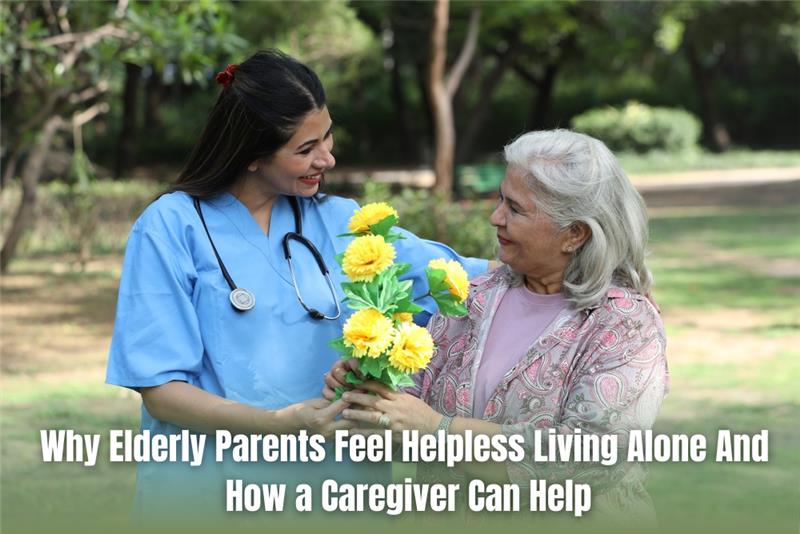
Why Elderly Parents Feel Helpless Living Alone And How a Caregiver Can Help

As parents grow older, many prefer staying in the comfort of their own home. However, when they live alone, they may begin to feel helpless — both physically and emotionally. Tasks that were once simple become difficult, and the absence of regular company can take a toll on their mental well-being.

In this article, we’ll explore the common reasons elderly parents feel helpless when living alone, and how a trained caregiver can help restore their confidence, safety, and sense of independence.

Why Elderly Parents Feel Helpless Living Alone

1. Physical Limitations

Age-related conditions like arthritis, osteoporosis, or poor eyesight can make it hard to move around, cook, or even bathe safely. Many seniors worry about falling or injuring themselves with no one around to help.

2. Memory Issues and Confusion

Forgetfulness or conditions like early-stage dementia can make it difficult for seniors to remember important tasks — from taking medicines to locking doors. This loss of control often leads to frustration or fear.

3. Loneliness and Isolation

Without family or friends visiting regularly, elderly parents may spend entire days alone. The lack of social interaction often leads to feelings of isolation, anxiety, or even depression.

4. Fear of Emergencies

A common fear among seniors living alone is: “What if something happens and no one’s there to help?” Whether it’s a medical emergency, a fall, or simply needing someone to talk to — the absence of support can make them feel vulnerable.

5. Difficulty Managing Daily Tasks

From grocery shopping to cooking and keeping the house clean — daily chores become exhausting. Many seniors hesitate to ask for help, silently struggling with things they once handled easily.

How a Caregiver Can Help Restore Independence and Peace of Mind

1. Helping with Daily Activities

A caregiver assists with tasks like bathing, dressing, meal preparation, and taking medications — ensuring that seniors are well cared for and comfortable every day.

2. Offering Companionship

Having a caregiver around gives seniors someone to talk to, share stories with, or enjoy a walk. Regular social interaction keeps the mind active and helps reduce loneliness.

3. Providing Safety and Monitoring

Trained caregivers watch out for fall risks, ensure a clutter-free environment, and help seniors move around safely — significantly reducing the chances of accidents.

4. Supporting Health and Wellness

Caregivers help with regular health monitoring — like checking blood pressure, reminding them to take medicines, or coordinating doctor visits. They also encourage light physical activity or stretching, which helps keep seniors mobile.

5. Bringing Structure and Routine

Many elderly people feel lost or restless without a daily structure. A caregiver helps create a healthy routine — from waking up, eating meals on time, taking medications, and even leisure time.

6. Being There During Emergencies

Whether it’s a fall, a health concern, or sudden anxiety — having a caregiver nearby means immediate help is available. This gives both seniors and their families peace of mind.


Why Families Feel Relieved with a Caregiver’s Help

When elderly parents live alone, children often worry constantly about their safety and emotional health. With a professional caregiver:

  • You know someone is there 24/7 to support your loved one.

  • You feel less guilty about not being physically present.

  • Your parents receive proper care and attention from someone trained and trustworthy.

At Shree Swami Samarth Patients Seva (www.sssps.in), we provide reliable, experienced caregivers who help elderly individuals live independently and confidently — even when they are alone.

FAQs: Helping Elderly Parents Living Alone

  1. What are the signs that my elderly parent needs a caregiver?
    Look for signs like missed medications, falls, confusion, untidy living spaces, or expressions of loneliness and fear.
  2. Can a caregiver help my parent stay independent?
    Yes, caregivers assist only where needed, allowing seniors to stay as independent as possible while ensuring safety.
  3. What if my parent resists the idea of a caregiver?
    Start with part-time support and introduce the caregiver as a companion or helper. Gradual exposure often makes them more accepting.
  4. How do I choose the right caregiver for my parent?
    Choose someone from a trusted agency, preferably trained in elderly care and familiar with conditions like dementia, arthritis, or diabetes.
  5. Is it affordable to hire a caregiver in India?
    Caregiver costs vary, but many agencies offer flexible packages to fit your needs and budget.

Conclusion

It’s painful to see our elderly parents struggle, feel helpless, or live in fear. But with the right care and companionship, they can enjoy their golden years with dignity and comfort.

A professional caregiver not only helps with daily tasks but also brings companionship, safety, and emotional support — making a world of difference for seniors who live alone.

If you’re considering caregiving services, trust Shree Swami Samarth Patients Seva (www.sssps.in) to provide compassionate, trained caregivers for your elderly loved ones.

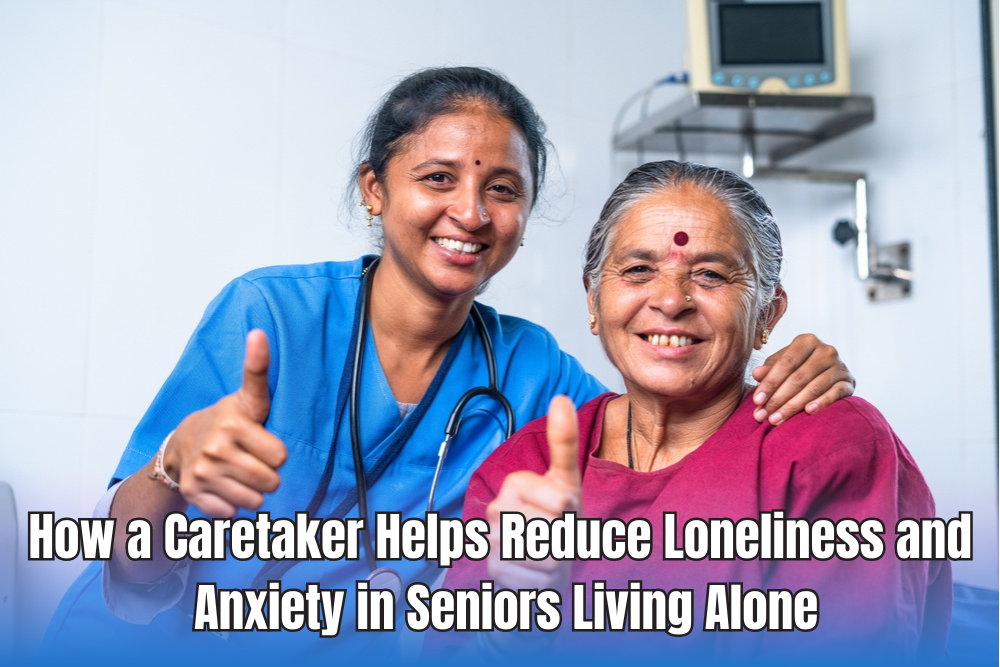
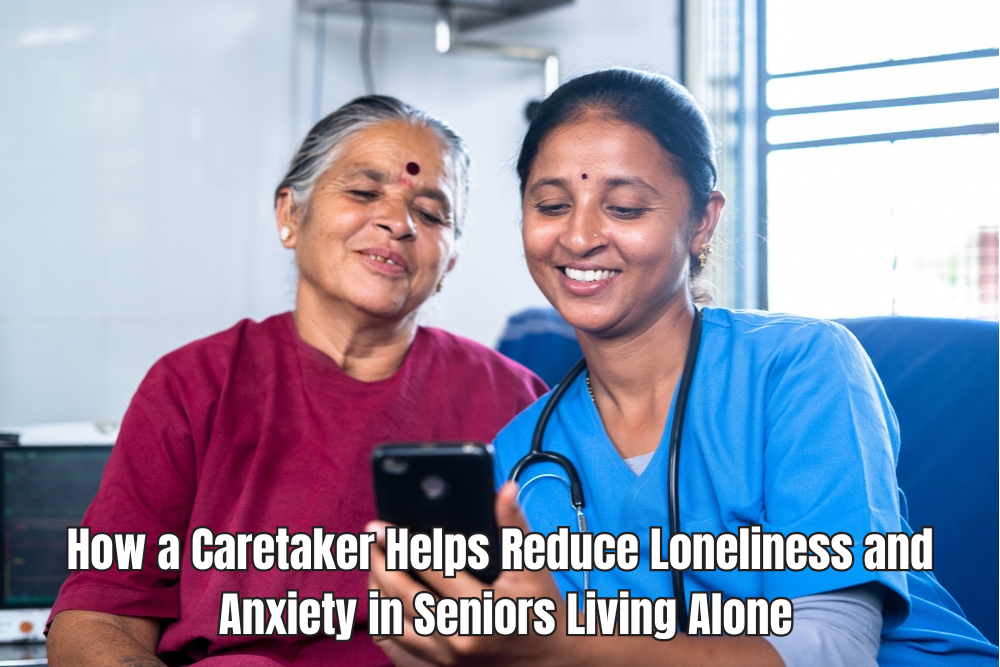
How a Caretaker Helps Reduce Loneliness and Anxiety in Seniors Living Alone

As seniors age, many find themselves living alone, which can often lead to feelings of loneliness, isolation, and anxiety. The emotional toll of living alone can affect their mental health, leading to depression and stress. A trained caretaker can provide much-needed support by not only assisting with physical care but also offering emotional companionship and reassurance. This article explores how a professional caretaker can reduce loneliness and anxiety in seniors living alone and improve their overall quality of life.

Why Loneliness and Anxiety Are Common in Seniors

There are several reasons why seniors may feel lonely or anxious when living alone, including:

  • Loss of Spouse or Loved Ones: The death of a spouse or close family member often leads to emotional voids that can be difficult to fill.
  • Reduced Social Interaction: With age, it becomes harder to maintain social connections due to physical limitations, such as mobility issues or hearing loss.
  • Health Conditions: Chronic conditions like arthritis, diabetes, or dementia may reduce a senior’s ability to engage in social or physical activities, increasing their sense of isolation.
  • Fear of Falling or Medical Emergencies: Seniors living alone often fear accidents or health emergencies, which increases anxiety.

Caretakers can provide the support, companionship, and structure needed to reduce these feelings, improving the emotional well-being of elderly individuals living alone.

How a Caretaker Helps Reduce Loneliness and Anxiety

1. Providing Companionship

One of the most important roles a caretaker plays is offering companionship. Whether it’s through simple conversations, watching TV together, or sharing meals, a caretaker ensures the senior feels connected and valued. This can significantly reduce feelings of loneliness and isolation.

2. Encouraging Social Interactions

Caretakers encourage seniors to stay in touch with family and friends by helping them make phone calls, set up video chats, or arrange social visits. They can also assist with attending social gatherings or community activities that seniors might otherwise avoid due to mobility issues or anxiety.

3. Assisting with Daily Tasks and Reducing Stress

Daily tasks such as cooking, cleaning, and bathing can become overwhelming for seniors. A caretaker helps with these chores, reducing the physical and mental burden on the senior. This allows them to feel more in control of their surroundings, which alleviates anxiety.

4. Providing Mental and Emotional Support

Seniors often worry about their health or the future. A caretaker offers emotional support by listening to their concerns and providing reassurance. They can also help with coping strategies for managing anxiety, such as practicing relaxation techniques or mindfulness.

5. Engaging in Hobbies and Activities

A caretaker encourages seniors to engage in hobbies they enjoy, whether it’s reading, knitting, gardening, or even light physical exercises. These activities not only keep the senior mentally engaged but also provide a sense of purpose and achievement.

6. Assisting with Physical Activity

Staying active is essential for both physical and mental health. A caretaker encourages safe and appropriate physical activity—such as daily walks or stretching exercises—to keep the senior physically healthy and improve mood through the release of endorphins.

7. Providing Consistent Monitoring

Caretakers monitor the health of elderly individuals, ensuring they take medications on time, helping with doctor appointments, and ensuring they get adequate rest. Having someone consistently available to manage their physical and emotional needs provides reassurance and reduces anxiety about health emergencies.


Why Hiring a Professional Caretaker Is Beneficial for Family Members

Family members often feel guilt or anxiety about not being able to provide the constant support their elderly loved ones need. Hiring a professional caretaker allows family members to be assured that their loved one is receiving the care, companionship, and attention they need. This provides peace of mind, knowing that a trained individual is looking after their loved one, so they can focus on their own responsibilities without worrying about their parent’s well-being.

FAQs About Caretakers Reducing Loneliness and Anxiety

  1. How does a caretaker reduce loneliness in elderly people?
    A caretaker provides regular companionship, engages in conversations, and encourages social interaction, helping seniors feel connected and valued.
  2. Can a caretaker help manage anxiety in seniors?
    Yes, caretakers offer emotional support, help seniors cope with anxiety through relaxation techniques, and provide a calm and reassuring presence.
  3. How do caretakers help with daily tasks that increase stress?
    Caretakers assist with tasks like cooking, cleaning, and personal hygiene, reducing the physical strain and stress for seniors.
  4. What activities do caretakers engage in with seniors to reduce loneliness?
    Caretakers encourage hobbies, physical activities, and social engagements, providing a sense of purpose and reducing feelings of isolation.
  5. Is it safe for seniors to have a caretaker at home?
    Yes, professional caretakers are trained to handle elderly care safely, ensuring a comfortable and secure environment.

Conclusion

Living alone can be tough for seniors, leading to loneliness, anxiety, and stress. A professional caretaker not only provides physical care but also offers emotional support, ensuring seniors feel less isolated and more secure. By helping with daily tasks, encouraging social interaction, and offering consistent companionship, a caretaker can significantly improve the mental and emotional well-being of elderly individuals living alone.

If you’re looking for reliable and compassionate care for your elderly loved one, visit Shree Swami Samarth Patients Seva (www.sssps.in). We provide experienced caretakers who help reduce loneliness and anxiety, offering peace of mind to both seniors and their families.