
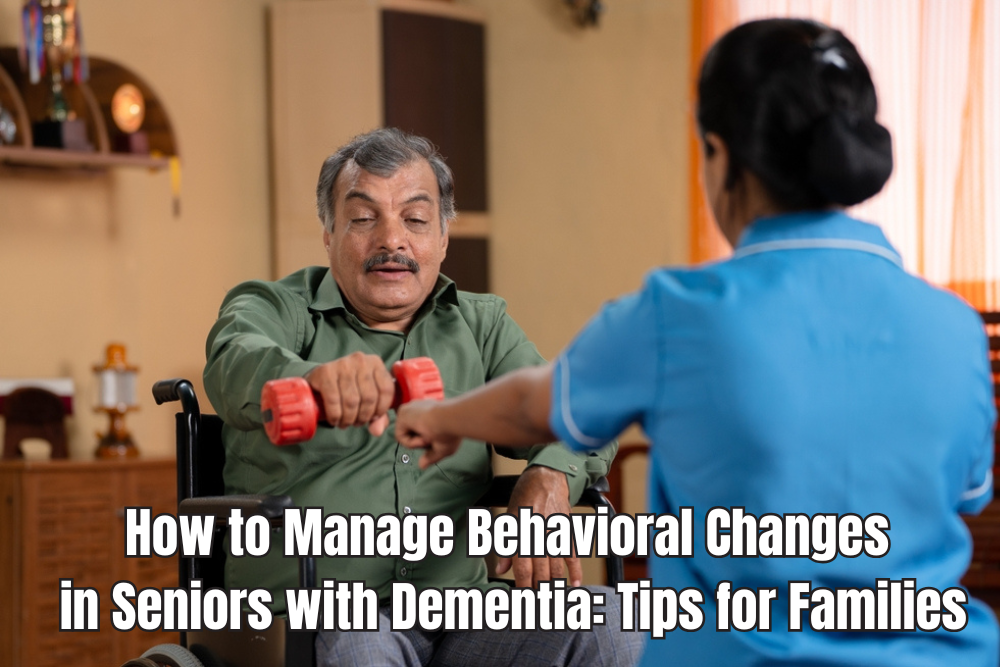
How to Manage Behavioral Changes in Seniors with Dementia: Tips for Families

Caring for a senior with dementia can be emotionally challenging, especially when they experience sudden behavioral changes. From mood swings and aggression to confusion and anxiety, these changes can be overwhelming for both the patient and their family. However, with the right strategies, you can manage these behaviors with patience, understanding, and care.

In this article, we’ll explore the common behavioral changes in seniors with dementia and offer practical tips for families to handle these challenges. By the end, you’ll have a better understanding of how to provide a calm and supportive environment for your loved one.

Why Do Behavioral Changes Occur in Seniors with Dementia?

Dementia affects the brain’s ability to process information, leading to confusion, frustration, and emotional distress. Some common reasons for behavioral changes include:

  • Memory loss and confusion – Forgetting names, faces, or recent events can make seniors feel anxious.
  • Communication difficulties – Struggling to express thoughts can lead to frustration.
  • Physical discomfort – Pain, hunger, infections, or medication side effects can trigger mood swings.
  • Environmental factors – New places, loud noises, or unfamiliar faces can cause agitation.

Understanding these triggers is the first step in managing dementia-related behaviors.

Common Behavioral Changes and How to Manage Them

1. Agitation and Aggression

  • Stay calm and use a gentle tone when speaking.
  • Identify and eliminate triggers like loud noises, hunger, or fatigue.
  • Use distraction techniques, such as playing music or engaging in a favorite activity.

2. Wandering and Restlessness

  • Ensure doors and windows are locked if wandering becomes a safety concern.
  • Encourage regular physical activities to reduce restlessness.
  • Use identification bracelets in case they wander outside.


3. Repetitive Questions or Behaviors

  • Respond with patience, even if they ask the same question repeatedly.
  • Provide visual reminders, such as notes or labels, to reduce confusion.
  • Try redirecting their attention to another topic or activity.

4. Sundowning (Evening Confusion and Anxiety)

  • Maintain a consistent daily routine to prevent disorientation.
  • Ensure the room is well-lit to reduce shadows that may cause confusion.
  • Limit caffeine and screen time in the evening.

5. Hallucinations and Paranoia

  • Avoid arguing; instead, acknowledge their feelings and reassure them.
  • Remove potential triggers like mirrors or dark reflections that may cause confusion.
  • Consult a doctor if hallucinations become distressing.

6. Resistance to Care

  • Approach tasks like bathing or dressing with a positive and reassuring attitude.
  • Offer choices to give them a sense of control (e.g., “Would you like to wear the blue shirt or the red one?”).
  • Break tasks into small steps to make them more manageable.

Tips for Families to Handle Behavioral Changes

  • Stay Patient and Understanding: Dementia is unpredictable, and mood swings are not intentional.
  • Keep Communication Simple: Use short sentences and a calm tone when speaking.
  • Create a Safe and Familiar Environment: Reduce noise, maintain familiar surroundings, and establish a routine.
  • Encourage Social Interaction: Spending time with family and caregivers can reduce feelings of loneliness.
  • Take Care of Yourself: Caregiving is demanding—ensure you take breaks and seek support when needed.

The Role of Caretakers in Managing Dementia Behaviors

Professional caregivers play a crucial role in handling behavioral changes in seniors with dementia. They provide:

  • Personalized Care: Understanding triggers and using appropriate calming techniques.
  • 24/7 Supervision: Ensuring safety, especially for seniors prone to wandering.
  • Companionship: Engaging seniors in activities that stimulate cognitive function.
  • Emotional Support: Helping families cope with the challenges of caregiving.

At Shree Swami Samarth Patients Seva, we specialize in dementia care, ensuring your loved one receives compassionate and professional support.

FAQs About Managing Dementia Behavioral Changes

  1. Why does my loved one with dementia get angry so easily?
    Dementia affects memory and reasoning, making it frustrating for seniors to communicate their needs or recognize familiar people.
  2. How can I calm an anxious dementia patient?
    Speak in a soft voice, offer reassurance, and try engaging them in a familiar activity. Avoid arguing or correcting them.
  3. Is medication necessary to manage dementia behavior?
    Medication is not always required; behavioral changes can often be managed with a structured routine and a calm environment. However, consult a doctor if symptoms worsen.
  4. How do I prevent my loved one from wandering?
    Secure doors and windows, use identification bracelets, and engage them in daily activities to reduce restlessness.
  5. When should I consider hiring a professional caretaker?
    If caregiving becomes overwhelming or if your loved one requires constant supervision, hiring a professional caretaker can provide much-needed relief.

Conclusion

Managing behavioral changes in seniors with dementia requires patience, understanding, and the right approach. By identifying triggers, creating a structured environment, and seeking professional help when needed, you can provide the best care for your loved one.

If you need support, Shree Swami Samarth Patients Seva offers trained caregivers who specialize in dementia care. Visit www.sssps.in to ensure your loved one gets the compassionate and professional care they deserve.
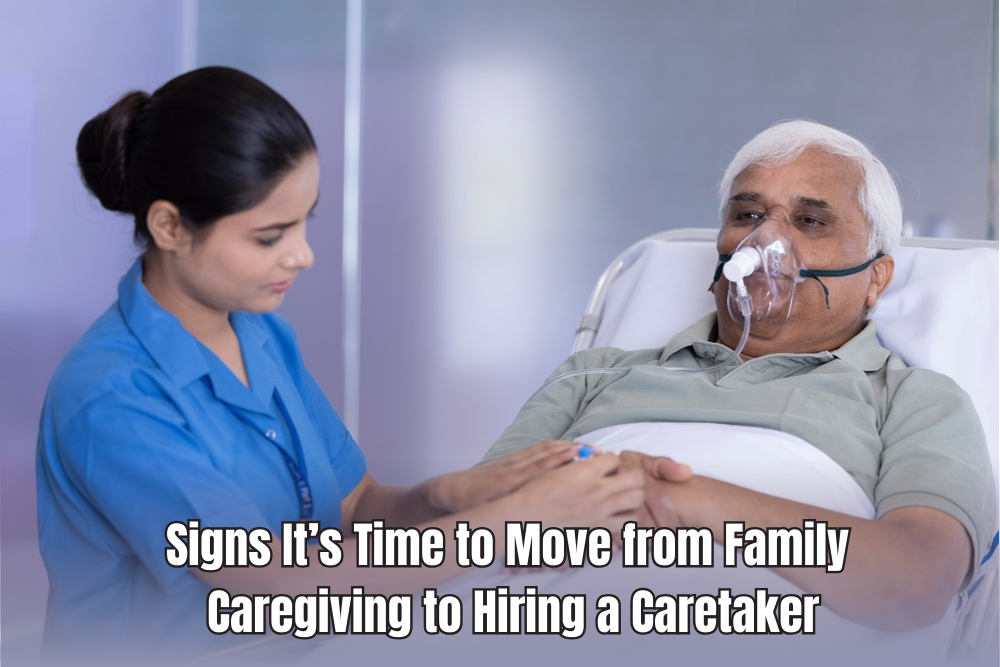
Signs It’s Time to Move from Family Caregiving to Hiring a Caretaker

Caring for elderly parents or family members is a fulfilling but demanding responsibility. As their needs increase over time, family caregivers may struggle to provide the necessary level of care. This article will help you identify signs that it might be time to transition from family caregiving to hiring a professional caretaker. By the end, you’ll understand when to seek additional help and how this decision can benefit your loved ones and the entire family.

Why Consider Hiring a Caretaker?

Family caregivers often do their best to meet the emotional and physical needs of their loved ones. However, as health issues progress or time constraints arise, professional caretakers can offer the expertise and round-the-clock support that families may not be able to provide. Hiring a caretaker ensures consistent, specialized care while reducing the burden on family members.

Signs It’s Time to Hire a Caretaker

Here are some common indicators that it may be time to consider professional help:

1. Increased Medical Needs

  • If your loved one has a chronic illness like dementia, Parkinson’s, or diabetes that requires constant monitoring.
  • Frequent hospital visits or medical emergencies are becoming unmanageable.

2. Difficulty Handling Daily Tasks

  • If your loved one struggles with activities of daily living (ADLs), such as bathing, dressing, or eating.
  • They require assistance with walking, climbing stairs, or getting in and out of bed.

3. Caregiver Burnout

  • Family caregivers feeling exhausted, overwhelmed, or emotionally drained.
  • A decline in your health, work performance, or personal relationships due to caregiving responsibilities.

4. Safety Concerns

  • Increased risk of falls, accidents, or wandering for seniors with cognitive decline.
  • Unsafe living conditions due to clutter, poor hygiene, or lack of supervision.

5. Lack of Specialized Skills

  • Certain conditions, such as post-surgery recovery or palliative care, require trained professionals to provide the right care.
  • Difficulty managing medical equipment like oxygen tanks or feeding tubes.

6. Limited Time or Resources

  • Balancing caregiving with work, family, and other responsibilities has become unmanageable.
  • You or other family members are unable to provide care consistently due to distance or other obligations.

7. Emotional Struggles of the Loved One

  • Signs of loneliness, depression, or agitation that require more companionship and support than you can provide.
  • They resist receiving help from family members, but may respond better to a neutral caretaker.

Benefits of Hiring a Professional Caretaker

  • Consistent and Reliable Care: Professional caretakers provide regular, uninterrupted care.
  • Expertise: Trained caretakers are skilled in handling medical and daily care needs.
  • Peace of Mind: Knowing that your loved one is in capable hands allows families to focus on their own well-being.
  • Improved Quality of Life: Seniors receive proper nutrition, medication, and emotional support tailored to their needs.


How to Transition to Hiring a Caretaker

  1. Assess Needs: Identify the specific areas where help is required, such as medical care, personal hygiene, or companionship.
  2. Research Caretaker Services: Look for reputable agencies like Shree Swami Samarth Patients Seva that provide trained and compassionate caretakers.
  3. Involve Your Loved One: Discuss the decision with your family member and highlight how a caretaker will enhance their well-being.
  4. Start Gradually: Begin with part-time help or specific tasks to help your loved one adjust to the change.
  5. Maintain Communication: Stay involved and regularly check in with the caretaker to ensure the quality of care.

FAQs About Hiring a Caretaker

  1. How do I know if my loved one needs a caretaker?
    Look for signs such as difficulty with daily tasks, frequent health emergencies, or caregiver burnout in the family.
  2. What should I look for in a professional caretaker?
    Choose a caretaker with proper training, experience, patience, and good communication skills.
  3. Can a caretaker handle medical needs?
    Yes, many caretakers are trained to manage medications, use medical equipment, and monitor chronic conditions.
  4. How much does hiring a caretaker cost in India?
    Costs vary depending on the level of care needed, ranging from ₹12,000 to ₹30,000 per month for full-time services.
  5. How do I ensure the caretaker is reliable?
    Hire from trusted agencies like Shree Swami Samarth Patients Seva, which thoroughly vet and train their caretakers.

Conclusion

Recognizing when it’s time to move from family caregiving to hiring a professional caretaker is a significant step, but it ensures your loved one receives the best care possible. This decision not only benefits the elderly person but also helps the family maintain their health and well-being.

At Shree Swami Samarth Patients Seva, we provide experienced and compassionate caretakers who treat your loved ones like family. Visit Sssps.in to explore our services and find the right support for your caregiving journey.

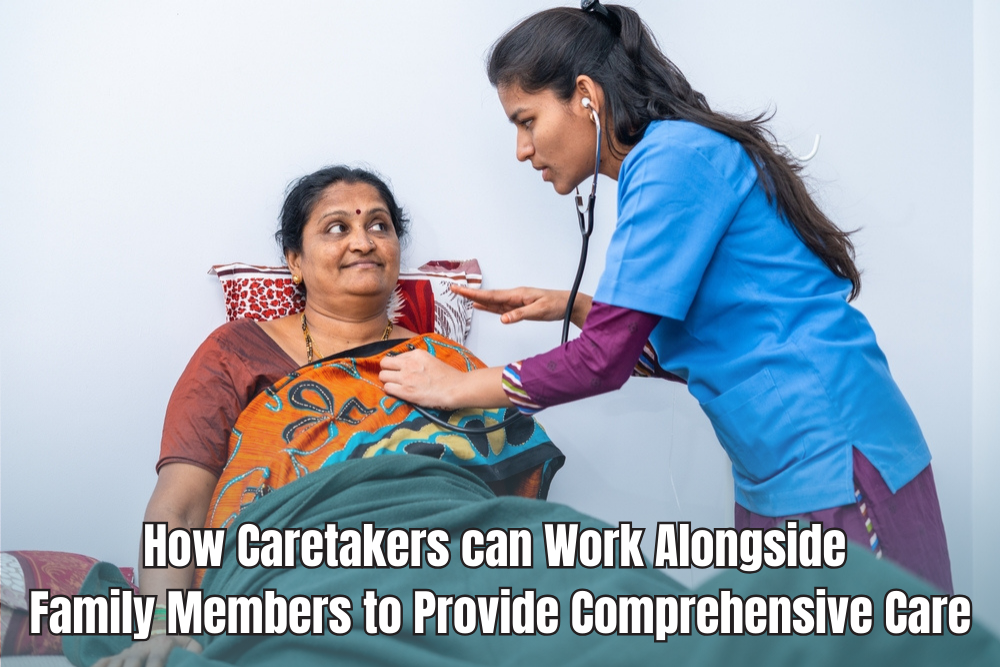
How Caretakers Can Work Alongside Family Members to Provide Comprehensive Care

Taking care of elderly family members can be a rewarding yet challenging experience. Home health aides (HHAs) step in to provide professional assistance and support, making the caregiving journey easier for families. In this article, we’ll explore how HHAs collaborate with family members to deliver comprehensive care for the elderly. From understanding their roles to addressing specific needs, this guide offers insights into creating a seamless caregiving partnership.

Understanding the Role of Home Health Aides

Home health aides are trained professionals who assist elderly individuals with daily activities and medical needs. They work in harmony with family caregivers, complementing their efforts to ensure the senior’s well-being.

Key Responsibilities of HHAs:

  • Personal Care: Bathing, dressing, grooming, and hygiene.
  • Medical Assistance: Administering medications, monitoring vital signs, and helping with physical therapy exercises.
  • Nutritional Support: Preparing meals, ensuring dietary needs are met, and assisting with feeding if necessary.
  • Companionship: Offering emotional support, engaging in conversations, and participating in recreational activities.
  • Household Tasks: Light cleaning, laundry, and maintaining a safe living environment.

How HHAs Collaborate with Family Members

Home health aides work alongside family members to ensure that care is personalized and comprehensive.

  1. Establishing Open Communication:

Regular meetings between HHAs and family members ensure that everyone is on the same page regarding the senior’s needs and preferences.

Updates on the elder’s health and well-being help family members stay informed.

  1. Sharing Responsibilities:

HHAs handle time-intensive caregiving tasks, allowing family members to focus on emotional bonding and other responsibilities.

This division of labor prevents caregiver burnout and ensures consistent care.

  1. Understanding Cultural Preferences:

In India, respecting cultural values is essential. HHAs adapt their approach to align with the family’s traditions and the elder’s comfort.

  1. Building Trust:

Families and HHAs establish trust through regular interactions and transparent communication.

This trust fosters a stronger caregiving partnership.

Benefits of a Collaborative Approach

When HHAs and family members work together, the quality of care significantly improves.

  • Holistic Care: Combines professional expertise with emotional connection.
  • Reduced Stress: Eases the burden on family caregivers, improving their mental and physical health.
  • Enhanced Safety: Continuous supervision and assistance reduce the risk of accidents.
  • Better Health Outcomes: Regular monitoring and timely medical attention help manage chronic conditions effectively.

Choosing the Right Home Health Aide in India

Selecting the right HHA is crucial for ensuring optimal care for your loved ones.

  • Look for professionals with proper training and experience.
  • Ensure they understand the elder’s specific health conditions.
  • Prioritize candidates who are patient, empathetic, and culturally sensitive.

FAQs About Home Health Aides and Family Collaboration

Q1: What qualifications should a home health aide have?
A: HHAs should have basic healthcare training, first-aid knowledge, and experience in elderly care.

Q2: How can family members ensure effective collaboration with HHAs?
A: Regular communication, setting clear expectations, and treating HHAs as part of the caregiving team foster effective collaboration.

Q3: Can HHAs handle medical emergencies?
A: While HHAs are not doctors, they are trained to manage basic medical emergencies and provide first-aid until professional help arrives.

Q4: How do HHAs respect cultural and personal preferences?
A: They adapt their caregiving approach based on the family’s values and the elder’s comfort level.

Q5: Is it expensive to hire a home health aide in India?
A: Costs vary depending on the services required and the caregiver’s experience. Many agencies offer flexible packages to fit different budgets.

Conclusion

Home health aides play a vital role in creating a balanced caregiving environment, working hand-in-hand with family members to ensure elderly individuals receive the best care possible. Their expertise, combined with the family’s emotional support, forms a comprehensive care plan tailored to the senior’s needs.

If you’re looking for professional caregiving services, Shree Swami Samarth Patients Seva offers trained and compassionate HHAs to assist your family. Visit www.sssps.in to learn more and give your loved ones the care they deserve.

What Does a Home Health Aide Do? A Complete Guide to Their Role in Elderly Care

Caring for elderly loved ones often requires specialized help, especially when their needs go beyond what family members can provide. This is where a home health aide (HHA) becomes essential. In this article, we’ll explore what a home health aide does, their role in elderly care, and how they help seniors lead safer, healthier lives. By the end, you’ll have a clear understanding of how an HHA can assist your elderly family members, particularly in an Indian context where cultural values and family involvement play a significant role.

Who Is a Home Health Aide?

A home health aide is a trained professional who provides support to elderly or disabled individuals, helping them with daily activities and medical needs. They bridge the gap between independent living and more intensive care settings, like nursing homes.

Key Responsibilities of a Home Health Aide

1. Personal Care Assistance

  • Bathing and Hygiene: Helping seniors with bathing, grooming, and maintaining personal cleanliness.
  • Dressing: Assisting in choosing and wearing appropriate clothes.
  • Toileting: Supporting individuals with incontinence or mobility issues.

2. Medication Management

  • Ensuring medications are taken on time and in the correct dosage.
  • Monitoring side effects or adverse reactions.

3. Meal Preparation and Nutrition

  • Preparing balanced meals tailored to the elderly person’s dietary needs.
  • Assisting with feeding if required.

4. Mobility and Exercise

  • Helping seniors move around the house or go for short walks.
  • Assisting with light exercises or physiotherapy as prescribed.

5. Companionship and Emotional Support

  • Engaging in meaningful conversations and activities to combat loneliness.
  • Providing reassurance and comfort during stressful moments.

6. Household Management

  • Light housekeeping tasks like cleaning, laundry, and organizing.
  • Ensuring a safe and clutter-free living environment.

7. Health Monitoring

  • Keeping track of vital signs like blood pressure, sugar levels, and weight.
  • Reporting health changes to family members or doctors.

Benefits of Hiring a Home Health Aide in India

  • Cultural Sensitivity: HHAs in India understand the importance of respecting traditions, dietary preferences, and family dynamics.
  • Cost-Effective Care: Home care services in India are often more affordable than nursing homes or hospitals.
  • Customized Support: HHAs provide one-on-one attention tailored to the individual’s needs.
  • Convenience: Care is delivered in the comfort of the senior’s home, preserving their sense of independence.

When Should You Consider Hiring a Home Health Aide?

  • When elderly parents struggle with daily tasks like cooking, cleaning, or bathing.
  • After a hospital discharge when they need assistance with recovery.
  • For chronic conditions like diabetes, arthritis, or mobility issues.
  • To provide respite care for family members who need a break.

The Role of a Home Health Aide in Medical Care

  • Supporting seniors with chronic illnesses like hypertension, diabetes, or arthritis.
  • Assisting patients recovering from surgeries or managing conditions like stroke or paralysis.
  • Providing palliative care for those with terminal illnesses.

What Makes a Good Home Health Aide?

  • Empathy: The ability to connect emotionally and understand the senior’s needs.
  • Training: Proper certification in caregiving and medical assistance.
  • Patience: A calm and composed demeanor when handling difficult situations.
  • Communication Skills: Keeping family members informed about the senior’s well-being.

FAQs About Home Health Aides

  1. What qualifications should a home health aide have?
    In India, HHAs often undergo training programs certified by organizations like NSDC (National Skill Development Corporation) or healthcare providers.
  2. How do I find a reliable home health aide?
    Reach out to reputable home care agencies or ask for recommendations from hospitals or doctors.
  3. Can an HHA handle medical emergencies?
    While HHAs are trained in basic first aid, they are not substitutes for doctors or nurses. They can assist in stabilizing the patient until professional help arrives.
  4. How much does hiring a home health aide cost in India?
    Costs vary based on location, services required, and the aide’s experience. Typically, it ranges from ₹12,000 to ₹25,000 per month.
  5. How do I ensure the safety of my elderly parent with an HHA?
    Choose HHAs from trusted agencies, verify their credentials, and maintain open communication about the care being provided.

Conclusion

A home health aide plays a crucial role in ensuring elderly parents receive the care, attention, and companionship they deserve. From assisting with daily tasks to providing emotional support, they become an invaluable part of a senior’s life.

If you’re looking for reliable and compassionate caregiving services in India, Shree Swami Samarth Patients Seva is here to help. With trained professionals and years of experience, we specialize in providing personalized care plans tailored to your loved one’s needs. Visit www.sssps.in to learn more and give your elderly parents the care they deserve.

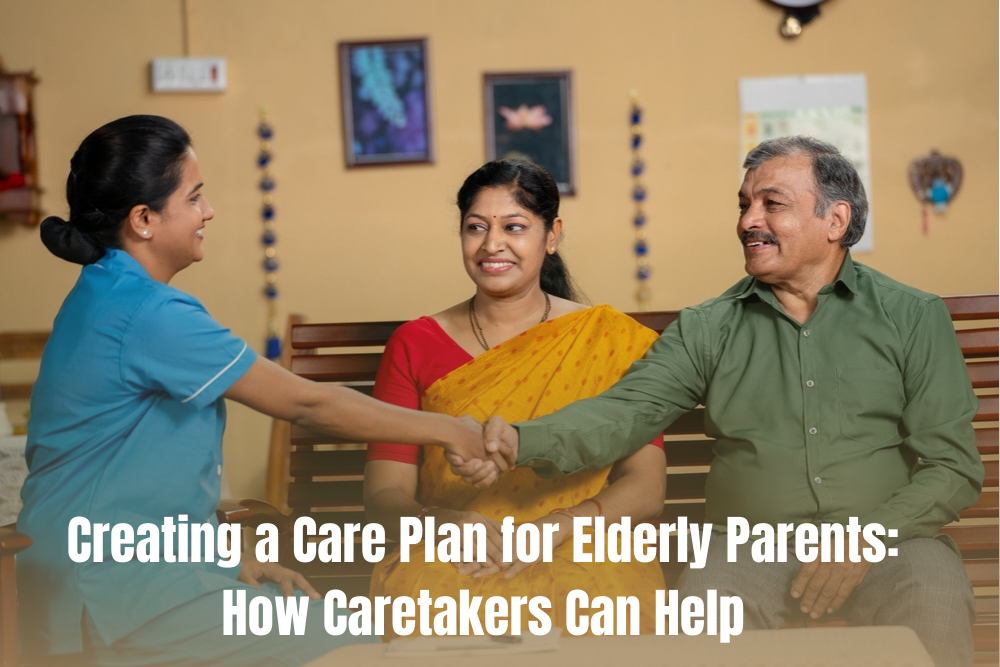
Creating a Care Plan for Elderly Parents: How Caretakers Can Help Ensure a Balanced Routine

Taking care of elderly parents is a delicate responsibility, especially when you want to ensure they have a balanced routine that promotes physical, mental, and emotional well-being. A well-thought-out care plan can make a world of difference. This article provides practical insights into creating a personalized care plan for elderly parents, focusing on how professional caretakers can assist in maintaining a routine. Special attention is given to elderly patients dealing with specific conditions like cancer.

What Is a Care Plan and Why Is It Important?

A care plan is a structured routine that includes all aspects of an elderly person’s daily life:

  • Physical health: Activities to keep them fit and manage chronic conditions.
  • Mental health: Activities for cognitive stimulation and emotional well-being.
  • Social interactions: Ensuring they stay connected with friends and family.
  • Diet and nutrition: Balanced meals tailored to their health needs.
  • Rest and relaxation: Proper sleep patterns and relaxation techniques.

A care plan ensures that elderly parents live with dignity, comfort, and joy, even when family members cannot be around all the time.

Steps to Create a Comprehensive Care Plan

1. Assess Their Needs

Understand your parents’ current health conditions, mobility issues, medication requirements, and emotional needs. For example:

  • Are they dealing with chronic illnesses like diabetes or arthritis?
  • Do they require assistance with daily activities like bathing, dressing, or eating?
  • Are there cognitive challenges such as dementia or Alzheimer’s?

2. Set Realistic Goals

Based on the assessment, set clear goals for the care plan. Examples include:

  • Maintaining mobility with light exercises.
  • Ensuring they take their medication on time.
  • Providing emotional support through regular conversations or activities they enjoy.

3. Plan a Daily Routine

A structured daily schedule helps create consistency. A sample day could include:

  • Morning: Gentle exercises, bathing, and a nutritious breakfast.
  • Afternoon: Medication reminders, a hobby, and light lunch.
  • Evening: Social calls with family or friends, a walk, and dinner.
  • Night: Relaxation techniques like listening to music or meditation, followed by bedtime.

4. Incorporate Specialized Care

If your parents have specific medical conditions like cancer, customize the care plan. For instance:

  • Schedule chemotherapy or radiation appointments.
  • Plan for post-treatment rest and a nutrient-rich diet to aid recovery.
  • Include emotional support through counseling or simply listening to their concerns.

5. Delegate Responsibilities

Decide what tasks family members can handle and when professional caretakers are needed. This delegation ensures your parents receive proper care even when you’re unavailable.

How Caretakers Can Help Ensure a Balanced Routine

Caretakers play a vital role in maintaining an elderly person’s routine by providing:

1. Physical Assistance

  • Helping with daily activities like bathing, dressing, and eating.
  • Encouraging and guiding them through light exercises to maintain mobility.

2. Medication Management

  • Ensuring that medications are taken on time and in the right doses.
  • Keeping track of medical appointments and follow-ups.

3. Emotional Support

  • Engaging them in meaningful conversations.
  • Encouraging hobbies like knitting, gardening, or reading to reduce feelings of loneliness.

4. Nutrition and Meal Preparation

  • Preparing healthy, balanced meals tailored to their health needs.
  • Monitoring dietary restrictions, especially for conditions like diabetes or heart disease.

Supporting Elderly Parents with Cancer

Elderly patients undergoing cancer treatment need special care, which caretakers can provide:

  • Pre-treatment support: Assisting with hospital visits and providing emotional reassurance.
  • During treatment: Ensuring they remain hydrated, eat small meals, and rest adequately.
  • Post-treatment care: Helping manage side effects like fatigue, nausea, or pain.
  • Companionship: Being there during difficult moments to ensure they never feel alone.

Caretakers from Shree Swami Samarth Patients Seva are trained to handle such sensitive needs with compassion and expertise.

FAQs About Creating a Care Plan for Elderly Parents

  1. Why is a care plan important for elderly parents?
    A care plan ensures they have a balanced routine that promotes health, emotional well-being, and independence.
  2. What should be included in a care plan?
    Daily activities, diet, exercise, medication schedules, social interactions, and rest periods.
  3. How can caretakers help in maintaining a routine?
    Caretakers provide physical assistance, emotional support, medication management, and help with dietary needs.
  4. What is the role of a caretaker for cancer patients?
    Caretakers assist with hospital visits, manage treatment side effects, prepare nutritious meals, and provide emotional companionship.
  5. How do I choose a reliable caretaker?
    Look for experience, empathy, and professional training. Trustworthy agencies like Shree Swami Samarth Patients Seva provide skilled caretakers tailored to your parents’ needs.

Conclusion

Creating a care plan for elderly parents ensures they live a comfortable and balanced life, even when you’re not around. Professional caretakers can play a crucial role in maintaining this routine, offering the physical and emotional support that elderly parents need.

At Shree Swami Samarth Patients Seva, we specialize in providing compassionate caretakers who treat your parents like their own. With extensive experience in elderly care, including support for cancer patients, we ensure that your parents receive the best care possible. Visit sssps.in to learn more about our services and how we can help your family today.


Caretaker’s Role in Supporting Elderly Parents Undergoing Cancer Treatment

Caring for elderly parents undergoing cancer treatment is a deeply challenging journey, both emotionally and physically. Families often struggle to balance their responsibilities while ensuring their loved ones receive the best care. This article explains how caretakers can play a vital role in supporting elderly cancer patients, making treatment more manageable and improving their quality of life. You’ll find practical tips, detailed insights, and a special section on how caretakers can assist specifically with cancer care.

Why Caretakers Are Essential During Cancer Treatment

Cancer treatment can be physically taxing and emotionally overwhelming for elderly patients. Caretakers provide much-needed support to patients and their families, offering assistance in:

  • Daily Activities: Managing daily routines becomes harder during treatment. Caretakers ensure smooth functioning.
  • Emotional Well-Being: They offer companionship and emotional support, helping to ease anxiety and depression.
  • Medical Assistance: Caretakers can monitor symptoms, medication schedules, and doctor visits.
  • Diet and Nutrition: They ensure patients have meals tailored to their health requirements.

The Specific Needs of Elderly Cancer Patients

  1. Physical Support
    • Weakness from chemotherapy or radiation can limit mobility. Caretakers assist with walking, bathing, dressing, and other tasks.
    • They help prevent falls and ensure a safe home environment.
  2. Emotional Comfort
    • A cancer diagnosis can cause emotional stress. Caretakers provide reassurance and lend a listening ear.
    • They keep patients engaged in uplifting activities like storytelling, light exercises, or hobbies.
  3. Nutrition and Hydration
    • Elderly patients undergoing cancer treatment may lose appetite or face dietary restrictions. Caretakers ensure they eat nutritious meals and stay hydrated.
    • Specialized meals can be prepared based on the doctor’s recommendations.
  4. Pain and Symptom Management
    • Caretakers monitor pain levels and side effects like nausea or fatigue.
    • They report changes promptly to the family and healthcare team.
  5. Transportation and Medical Appointments
    • From arranging transport to accompanying patients to hospitals, caretakers ensure appointments are stress-free.
    • They assist in managing medical records and prescriptions.

How Caretakers Can Specifically Help Cancer Patients

  • Administering Medication: They ensure timely and accurate medication intake.
  • Assisting with Therapy Exercises: Caretakers support patients in physical therapies or light exercises recommended by doctors.
  • Monitoring Side Effects: By staying vigilant about changes in health, they help in addressing issues early.
  • Providing a Clean Environment: Cancer patients often have compromised immunity, and caretakers maintain hygiene to reduce infection risks.
  • Offering Emotional Strength: They motivate patients to stay positive, which is crucial during recovery.

How to Choose the Right Caretaker for Cancer Patients

  1. Experience in Cancer Care: Look for caretakers trained in handling the specific needs of cancer patients.
  2. Compassionate and Patient: They should be understanding and empathetic.
  3. Good Communication Skills: They must be able to interact effectively with both the patient and healthcare professionals.
  4. Availability and Reliability: A caretaker should be consistent in their service and attentive to the patient’s needs.

FAQs About Caretakers for Elderly Cancer Patients

  1. Why is a caretaker necessary for elderly cancer patients?
    Caretakers help manage daily tasks, monitor health, and provide emotional and physical support, ensuring better recovery.
  2. How do caretakers assist with cancer treatment side effects?
    They monitor symptoms, provide comfort, and communicate any issues to the healthcare team.
  3. Can caretakers help with doctor visits?
    Yes, caretakers arrange transportation, accompany patients to appointments, and manage medical records.
  4. What qualities should I look for in a caretaker for a cancer patient?
    Choose someone experienced, compassionate, and reliable with good communication skills.
  5. How can I find professional caretaker services in India?
    You can explore experienced services like Shree Swami Samarth Patients Seva, which specializes in elderly care.

Conclusion

Having a caretaker for elderly parents undergoing cancer treatment can make a world of difference. From providing physical and emotional support to managing medical needs, they play a crucial role in ensuring comfort and care during a challenging time.

At Shree Swami Samarth Patients Seva, we understand the unique needs of cancer patients and offer experienced, compassionate caretakers who treat your loved ones with the utmost care. Visit www.sssps.in to learn more about how we can assist your family in providing the best care possible.

Caring for Elderly Parents with Parkinson’s Disease from Afar: Tips for Families

Caring for elderly parents with Parkinson’s Disease from a distance is challenging but not impossible. Parkinson’s is a progressive neurological condition that affects movement, balance, and coordination. It often requires consistent care and monitoring, which can feel daunting if you are far away. This article provides practical tips to help families manage their loved ones’ care effectively and ensure their safety and well-being, even from afar.

Understanding Parkinson’s Disease

Parkinson’s Disease (PD) affects the brain’s ability to control movement. Symptoms include tremors, stiffness, slow movements, and impaired balance. As the disease progresses, patients may face challenges with daily tasks, speech, and swallowing. Psychological changes like depression, anxiety, and cognitive decline are also common.


Tips for Caring for Parents with Parkinson’s Disease from Afar

1. Build a Local Support Network

  • Friends and Neighbors: Ask trusted people nearby to check in regularly.
  • Community Groups: Many local Parkinson’s support groups can provide emotional and practical assistance.

2. Leverage Technology

  • Communication Tools: Use video calls or messaging apps to stay connected and involved in their lives.
  • Monitoring Devices: Motion sensors and wearable devices can track their movements and alert you to falls.
  • Medication Management Apps: These tools help ensure timely administration of medicines.

3. Hire a Professional Caregiver

  • Caregivers trained in Parkinson’s Disease can assist with daily activities like eating, bathing, and mobility exercises.
  • Shree Swami Samarth Patients Seva offers specialized caregivers experienced in managing Parkinson’s symptoms with care and compassion.

4. Focus on Mobility and Safety

  • Remove tripping hazards like rugs and clutter to prevent falls.
  • Install grab bars in key areas like bathrooms and staircases.
  • Encourage regular physiotherapy to improve mobility and reduce stiffness.

5. Monitor Nutrition and Hydration

  • Parkinson’s patients often have difficulty swallowing (dysphagia). Offer soft, nutrient-rich foods.
  • Encourage frequent hydration to avoid complications like constipation.

6. Schedule Regular Medical Check-Ups

  • Work with a neurologist to monitor their condition and adjust medications as needed.
  • Keep a log of symptoms or changes and share it with their healthcare provider during visits.

7. Address Emotional Needs

  • Arrange for them to engage in enjoyable activities like listening to music or gardening.
  • Ensure regular communication to provide emotional reassurance.
  • Hire a caregiver who offers companionship and emotional support.

Dealing with the Challenges of Parkinson’s

Parkinson’s Disease is a long-term condition with unpredictable symptoms. Common challenges include:

  • Medication Timing: Parkinson’s medications lose effectiveness if not taken at precise times.
  • Cognitive Decline: Memory loss and confusion require patience and extra care.
  • Emotional Impact: Depression and anxiety are frequent and need to be managed proactively.

The Benefits of Professional Caregiver Services

Professional caregivers bring expertise and empathy to Parkinson’s care. They can:

  • Assist with medication schedules and physiotherapy exercises.
  • Provide round-the-clock supervision to prevent accidents.
  • Offer companionship to reduce feelings of loneliness.

At Shree Swami Samarth Patients Seva (www.sssps.in), our skilled caregivers specialize in managing Parkinson’s patients, ensuring their safety, comfort, and dignity.

FAQs

1. What are the early signs that my parent needs professional help?

Look for increased falls, difficulty managing medications, and changes in mood or cognitive function.

2. How can I ensure my parent takes their medication on time?

Use pill organizers and set reminders via mobile apps. A caregiver can also help manage medication schedules.

3. Can Parkinson’s patients live alone?

While early stages may allow independence, progressing symptoms make it unsafe without assistance.

4. How do professional caregivers support Parkinson’s patients?

They assist with daily tasks, medication management, mobility exercises, and provide companionship.

5. How often should Parkinson’s patients see a doctor?

Regular check-ups every 3-6 months are ideal unless symptoms worsen or new concerns arise.

Conclusion

Caring for a parent with Parkinson’s Disease from a distance requires careful planning, reliable local support, and professional help. By combining technology, medical oversight, and empathetic caregiving, you can ensure their well-being and quality of life.

At Shree Swami Samarth Patients Seva, we have years of experience providing compassionate care tailored to Parkinson’s patients. Our caregivers act as an extension of your family, ensuring your loved ones are always in safe and capable hands. Visit www.sssps.in to learn more about our services.

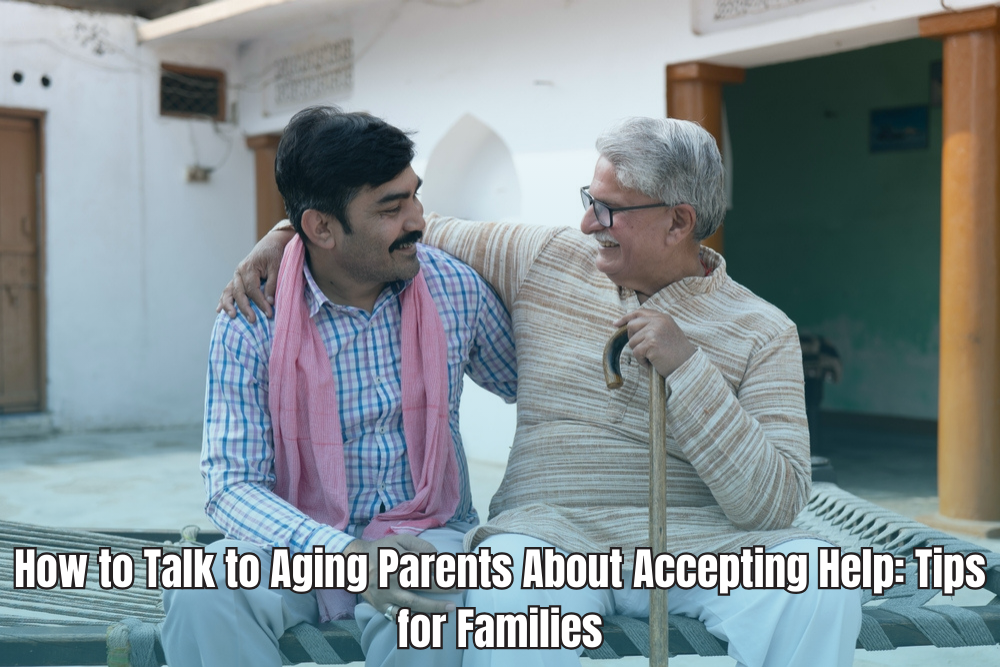
How to Talk to Aging Parents About Accepting Help: Tips for Families

As our parents age, it can become increasingly clear that they may need a bit of extra help with day-to-day activities. However, starting a conversation about accepting help can be challenging, especially if they’re used to their independence. This article covers how to approach such sensitive conversations with empathy and understanding, helping both you and your parents reach a comfortable agreement. From choosing the right timing and language to addressing their concerns respectfully, these tips are designed to support a positive and constructive conversation.

Why This Conversation Matters

Having this conversation is not only about safety but about maintaining your parents’ quality of life as they age. Sometimes, however, they may feel that accepting help signifies losing their independence, and this can lead to resistance. Being prepared and thoughtful in your approach can help address these fears while also showing them the benefits of having a little extra support in their lives.

Tips for Discussing Help with Aging Parents

1. Choose the Right Time and Place

  • Timing is Key: It’s best to avoid starting this conversation during stressful moments or when they’re tired. Pick a calm, quiet time when they’re most likely to be receptive.
  • Privacy Matters: Have this talk in a comfortable and private setting, such as their home or a familiar environment where they feel safe and respected.

2. Approach with Empathy and Respect

  • Listen to Their Concerns: Understand that they may feel anxious, proud, or even defensive. Let them express their thoughts fully before responding.
  • Show Respect for Their Independence: Frame the conversation around supporting their independence, not taking it away. For example, instead of saying, “You need help,” try, “I know you value your independence, and I want to help you maintain it.”

3. Use “I” Statements Instead of “You” Statements

  • Avoid Blame or Judgement: Phrasing is important. Rather than saying, “You can’t do things like you used to,” say, “I feel worried when I’m far away because I want you to be safe.”
  • Express Your Feelings Honestly: Share how much you care and want them to stay healthy and secure. This will make it clear that your intentions are based on love, not control.

4. Offer Specific Examples

  • Identify Areas of Concern Gently: Instead of generalizing, talk about specific situations. For example, “I noticed you seemed a bit tired after cooking last time; maybe some help with meals would make it easier?”
  • Suggest Small Changes First: Often, parents are more open to accepting help with smaller tasks at first. This could be a weekly cleaning service, a daily check-in call, or assistance with errands.

5. Present Practical Solutions

  • Discuss Various Support Options: Explain that help can come in different forms, such as a part-time caregiver, a weekly companion, or even daily visits.
  • Highlight the Benefits of Assistance: Focus on how extra support can free up their time for activities they enjoy and reduce the physical strain of daily chores.

6. Involve Them in the Decision-Making Process

  • Give Them a Choice: Allowing your parents to make choices about the type of help they receive will help them feel in control. Ask if they’d prefer a family member or a professional caregiver, or if they’d rather have help with specific tasks.
  • Encourage Small Steps: Suggest starting with a trial period or with assistance just once a week, allowing them to experience the positive effects of support.

7. Reassure Them That Accepting Help Is Normal

  • Normalize the Idea of Support: Explain that it’s common for people to need help as they age. Reassure them that accepting assistance is a smart and practical step toward staying safe and independent.
  • Share Positive Examples: Talk about friends or other family members who have embraced help and found it beneficial, showing that it’s a positive, empowering choice.

8. Be Patient and Prepared for Follow-Ups

  • Don’t Rush the Process: It may take time for your parents to accept the idea of getting help. Allow them to think it over and bring it up gently if needed.
  • Check Back Respectfully: Give them time, and follow up periodically without pressure. Respect their pace and be there to answer any questions or concerns they might have.

FAQ Section

  1. What if my parents completely refuse help?
    If they’re very resistant, avoid pushing them. Try to understand their reasons, share your concerns lovingly, and revisit the conversation later. Sometimes, seeing you respect their wishes helps them become more open to discussion.
  2. How do I convince my parents that getting help doesn’t mean losing independence?
    Emphasize that the goal is to keep them independent by reducing physical strain. Focus on how help with certain tasks can actually allow them to enjoy their time and energy more fully.
  3. What kind of help should I suggest first?
    Start with simple tasks they may find less intrusive, like weekly cleaning, meal prep, or grocery shopping. This can be an easier way for them to experience the benefits without feeling overwhelmed.
  4. How can I find reliable caregiving options?
    Research local caregiving services with good reviews, like Shree Swami Samarth Patients Seva, which offers compassionate and experienced caretakers. Discuss the services with your parents and involve them in the selection process.
  5. Is it better to hire a professional caregiver than rely on friends or family?
    Professional caregivers bring training, experience, and reliability, ensuring consistent care. It also allows friends and family to focus on their roles as loved ones rather than full-time caregivers.

Conclusion: A Helping Hand with Shree Swami Samarth Patients Seva

Navigating this sensitive conversation with your parents can be challenging, but it’s ultimately about ensuring their comfort, safety, and well-being. By approaching the topic with respect, empathy, and a willingness to listen, you can help them understand the benefits of accepting help. Whether it’s for occasional assistance or regular care, having the right support in place can greatly improve their quality of life.

At Shree Swami Samarth Patients Seva, we understand the unique needs of aging parents and offer personalized, compassionate care. Our caretakers are trained professionals who bring both experience and kindness, acting as a bridge to maintain your parents’ comfort and independence. We have extensive experience in elder care, ensuring that your parents feel loved and cared for, even in your absence.