


Daily Challenges Faced by Elderly Patients After 65 and Who Can Help Them at Home

After the age of 65, everyday life starts to change in ways many families don’t expect. Tasks that once felt simple walking, bathing, remembering things, or even eating properly can slowly become difficult.

For elderly parents, these changes can affect their health, confidence, and independence. For families, especially those managing work or living away, it can become overwhelming to handle everything alone.

In this article, you’ll understand the common daily challenges faced by seniors after 65 and who can help them safely at home.

Common Daily Challenges Faced by Elderly After 65

1. Weakness and Low Energy

Many seniors feel tired quickly. Even small activities like standing, walking, or climbing stairs can become exhausting.

What helps:
A caretaker can assist with movement, daily activities, and light exercises to maintain strength.

2. Joint Pain and Mobility Issues

Conditions like arthritis or osteoporosis make walking painful and increase the risk of falls.

What helps:
A trained caretaker supports safe walking, posture changes, and bathroom assistance.

3. Memory Problems and Forgetfulness

Forgetting medicines, names, or routines becomes common—and in some cases, may develop into dementia.

What helps:
A caretaker ensures routines are followed and medicines are taken on time.

4. Managing Multiple Medicines

Elderly parents often take medicines for BP, sugar, heart, and pain. Missing doses or taking the wrong ones can be risky.

What helps:
A caretaker or nurse manages medicine schedules and monitors side effects.

5. Poor Appetite and Nutrition

Many seniors eat less due to weakness, dental issues, or loneliness.

What helps:
A caretaker helps with meal preparation, feeding, and hydration.

6. Breathing Problems

Conditions like asthma, COPD, or heart issues can make breathing difficult—especially during winters.

What helps:
A home nurse can manage inhalers, nebulization, and oxygen support if needed.

7. Hygiene and Personal Care Difficulties

Bathing, dressing, or using the toilet may become unsafe without help.

What helps:
A caretaker or wardboy ensures hygiene with dignity and safety.

8. Loneliness and Emotional Stress

Living alone or feeling dependent can lead to sadness, anxiety, or withdrawal.

What helps:
A companion caretaker provides emotional support and daily interaction.

9. Sleep Issues

Disturbed sleep or night-time anxiety is common in elderly people.

What helps:
A night caretaker ensures safety and comfort during late hours.

10. Sudden Health Emergencies

Falls, breathing issues, or sudden weakness can happen anytime.

What helps:
A trained caretaker or nurse can respond quickly and inform family members or doctors.

Who Can Help Elderly Parents at Home?

Caretaker

Best for:

  • Daily support
  • Mobility assistance
  • Hygiene and feeding
  • Companionship

Nurse

Needed for:

  • Injections or drips
  • Wound care
  • Oxygen support
  • Monitoring vitals

Wardboy

Helpful for:

  • Bedridden patients
  • Lifting and repositioning
  • Physical support and hygiene

Why Home Care Is the Best Option

  • Seniors stay in a familiar environment
  • Personal attention is better than hospitals
  • Emotional comfort improves recovery
  • Fewer hospital visits
  • Families feel less stressed

Shree Swami Samarth Patients Seva: Complete Elderly Care at Home

At Shree Swami Samarth Patients Seva (www.sssps.in), we understand the real-life challenges elderly parents face after 65.

We provide:

  • Trained caretakers
  • Skilled nurses
  • Experienced wardboys
  • Part-time, full-time, and 24/7 care

Our goal is simple—to ensure your parents live safely, comfortably, and with dignity.

FAQs

Q1: Is it normal to need help after 65?
Yes. Aging naturally affects strength, memory, and mobility.

Q2: When should I hire a caretaker?
When daily tasks become difficult or unsafe.

Q3: Can home care reduce hospital visits?
Yes. Regular monitoring helps prevent emergencies.

Q4: Can caregivers stay full-time?
Yes, full-time and 24-hour options are available.

Conclusion

Life after 65 comes with challenges—but with the right support, elderly parents can continue to live safely and comfortably at home.

A trained caregiver or nurse doesn’t replace family—they support it, ensuring your loved ones receive the care they truly deserve.

At Shree Swami Samarth Patients Seva, we stand beside families—helping them care better, without carrying the burden alone.
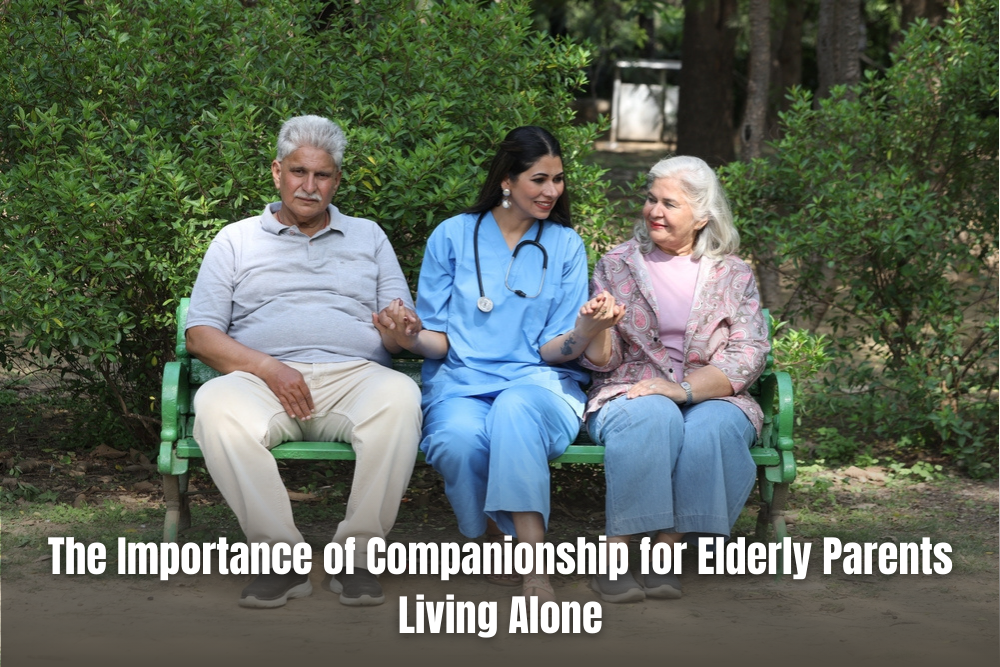
Importance of Companionship for Elderly Parents Living Alone

As parents grow older, one of the biggest challenges they face isn’t just illness or physical weakness, it’s loneliness. Many seniors in India live alone while their children work in other cities or abroad. Even when they are physically healthy, the emotional void of being alone can slowly affect their mood, memory, motivation, and overall well-being.

In this article, we’ll explore why companionship is so important for elderly people, how loneliness affects their health, and how trained caretakers help bring comfort, safety, and connection back into their daily lives.

Why Companionship Matters for Elderly Parents

Older adults often spend long hours alone, especially if mobility becomes limited. With fewer social interactions, they may start to feel isolated, forgotten, or anxious.

Common emotional struggles faced by elderly parents living alone:

  • Feeling lonely or neglected
  • Fear of falling or sudden illness without help
  • Reduced interest in hobbies
  • Missing conversations and emotional warmth
  • Increased forgetfulness due to lack of mental activity
  • Sleep disturbances, sadness, or irritability

These emotional issues can eventually affect physical health too — making companionship as important as medical care.

How Companionship Improves an Elderly Person’s Life

1. Boosts Emotional Well-Being

Talking to someone daily helps seniors feel heard, valued, and cared for. A simple smile, a warm conversation, or a shared cup of tea can brighten their entire day.

2. Encourages a Positive Routine

A companion caretaker helps seniors maintain healthy habits:

  • Eating meals on time
  • Taking medicines properly
  • Staying clean and well-groomed
  • Keeping the home tidy and safe

These small routines bring structure and comfort to their lives.

3. Reduces Loneliness and Depression

Human contact can lower stress, anxiety, and feelings of isolation. Companionship keeps the elderly emotionally grounded and mentally active.

4. Keeps the Mind Active

Caretakers engage seniors in activities such as:

  • Light walks
  • Listening to music
  • Simple indoor games
  • Reading or watching shows together
  • Talking about memories and family

These interactions promote better brain function and keep memory sharp.

5. Provides Safety and Confidence

Seniors living alone often fear falling or feeling unwell with no one around. A companion caretaker offers immediate help and emotional reassurance, especially during evenings and nights.

The Role of a Caretaker as a True Companion

Caretakers do much more than assist with bathing or meals — they become friends, listeners, and emotional support for elderly parents.

A caretaker’s companionship includes:

  • Regular conversation and positive engagement
  • Walking alongside seniors
  • Encouraging them to do small activities
  • Listening to their stories without rushing
  • Noticing mood changes and keeping family informed
  • Helping them feel respected, not dependent

For many seniors, a caretaker becomes the closest person they interact with daily.

Benefits for Families

For children living away, knowing someone is with their parents every day brings huge relief:

  • No constant worry about accidents
  • Regular updates about their parents
  • Emotional comfort for both sides
  • Reduced stress in managing work and caregiving responsibilities

Companionship caregivers fill the emotional gap that distance creates.

Shree Swami Samarth Patients Seva: Compassionate Companionship Care

At Shree Swami Samarth Patients Seva (www.sssps.in), we understand how deeply loneliness affects elderly health.
Our trained caretakers provide genuine companionship along with daily assistance, ensuring your parents feel safe, valued, and emotionally supported.

Our services include:

  • Full-time or part-time companionship
  • Assistance with daily activities
  • Emotional interaction and mental engagement
  • Meal support, mobility help, and medication reminders
  • Respectful, compassionate care that feels like family

We bring warmth, comfort, and dignity to your parents’ lives — especially when you cannot be there every day.

FAQs

Q1: Is companionship really that important for elderly parents?
Yes. Loneliness can lead to depression, memory decline, and poor physical health. A companion helps prevent these issues.

Q2: Do caretakers only provide emotional support?
They provide both emotional companionship and practical help such as meals, hygiene, walks, and medicine reminders.

Q3: Is a caretaker better than hiring a full-time nurse?
If your parent only needs support, company, and basic assistance, a caretaker is ideal. Nurses are needed for medical procedures.

Q4: Can companions stay 24/7?
Yes, we offer full-time live-in companionship for seniors who should not be left alone.

Conclusion

Companionship is not a luxury for elderly people — it is a lifeline. It keeps them emotionally strong, mentally active, and physically safe.
A caring, patient, and friendly caretaker can transform their daily life, bringing comfort and confidence back into their routine.

At SSSPS, we ensure that your parents never feel alone, unheard, or unsafe.
They deserve care with dignity — and companionship that feels like family.

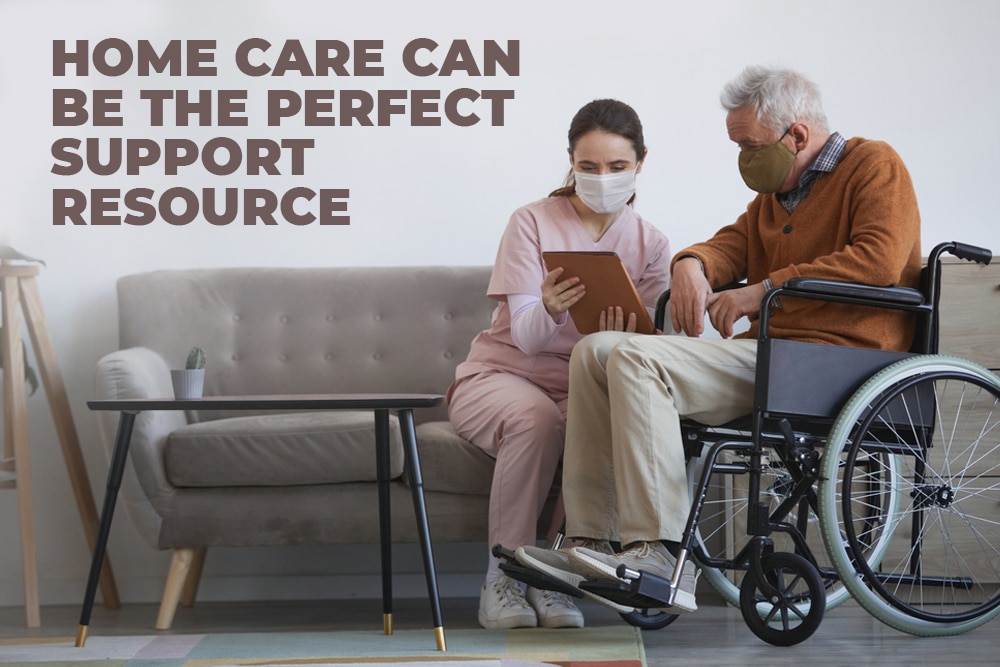
Home care can be the perfect support resource

Are you searching for senior citizen caretaking services in Mumbai? When you cannot always be around for your elderly parents, it is necessary to put your confidence in someone. And that someone will stand in for you when you are unavailable to your parents. That is when professional caretakers for elderly from <ahref=”https://en.wikipedia.org/wiki/India_Home_Health_Care”>home health care services come in the picture.
A sudden requirement of any urgency and you are relieved, your caretaker is there at that moment to guarantee their demands are satisfied. Because your caretaker is there 24 hours a day, 7 days a week, you and they may relax. It is also normal for you to worry about your parents; as they become older, you wonder how they will get along day to day.
Caring for the elderly with dementia is difficult because it involves expertise, patience, and understanding. Families, in general, lack the expertise and abilities to comprehend age-related diseases and fail to care for their loved one. It is also heartbreaking to see your loving parents psychologically degrade.A qualified nurse at home from nursing services may be of great assistance since they understand the illness and have the necessary abilities and expertise to deal with dementia sufferers.
Elderly people who have just undergone surgery or are recuperating from an illness or accident may want to heal at home. Having professional caretaker for elderly at home
can make recuperation easier and less stressful. Caretakers specialize in recovery care, so they can assist elderly people recuperate quickly. Whether your loving parents are bedridden or disabled, experienced caretakers can assist them in easily overcoming all of life’s problems. Some of the chores that caretakers conduct include washing,
personal hygiene, hair care, nail care, preparing bed, noting vitals, support for movement, daily activities, and executing their exercise program. To top it all off, they provide emotional support with compassion.
It will be difficult for someone who is bedridden or unable to move freely to go to the bathroom or maintain personal hygiene. Trained caretakers will assist them in moving to the bathroom and maintaining it clean, that will protect them from additional illnesses. Caretakers assist in changing adult diapers as needed. This is a major help to the family members because they may not be able to devote enough time to ordinary tasks.
According to a medical report, persons who have a home health care service facility at home live longer lives. Receiving emotional, physical, medical, and specialized care in their familiar surroundings allows seniors to live a better and longer life.
Finally, caregiving for the elderly helps them maintain their independence and sense of identity, which is especially important for the elderly who suffer from age-related degeneration. Caretakers assist and encourage the elderly to do their daily responsibilities, connect with others, and pursue their hobbies and interests. This
helps people maintain their sense of individuality and independence, as well as a positive outlook on life.
Because no comfort zone can ever completely replace one’s own home. Your parents, in example, may be tied to a specific sofa, a favorite chair, a favorite habit, or a favorite view from a specific corner of the home. Therefore, professional home health care service is the perfect support that can be acquired for your elderly.