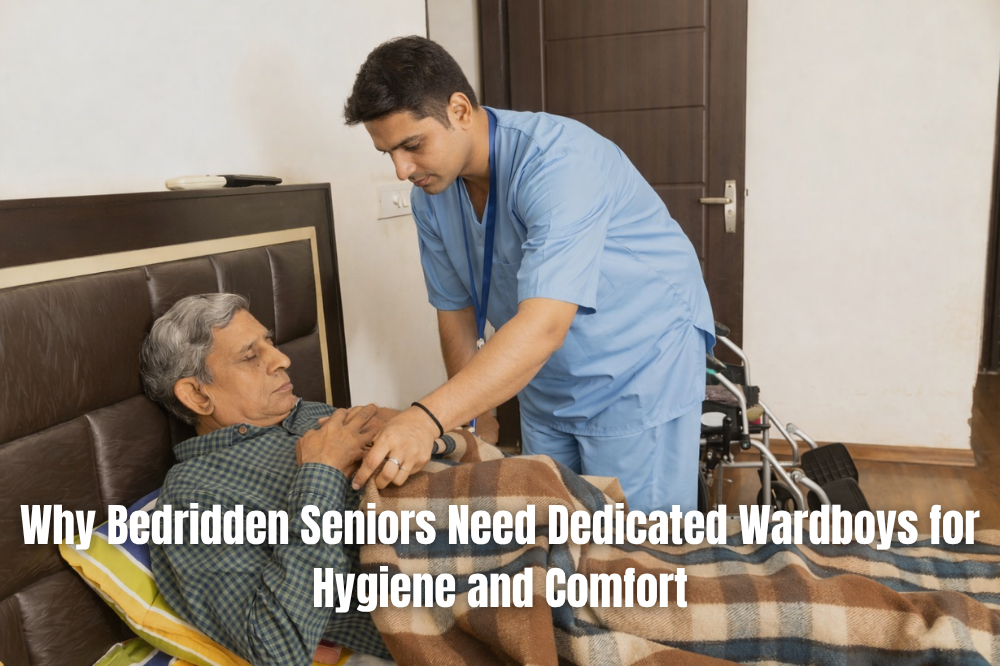
Why Bedridden Seniors Need Dedicated Wardboys for Hygiene and Comfort

When an elderly parent becomes bedridden, their care needs change completely. Simple daily tasks like turning in bed, bathing, or using the toilet are no longer possible without help. What was once routine now requires constant physical support, hygiene management, and careful handling.

Many families try to manage this on their own. But over time, they realise that bedridden care is not just about helping, it requires skill, strength, and consistency.

This is where a trained wardboy becomes essential.

In this article, we’ll explain why dedicated wardboys are important for bedridden seniors and how they ensure hygiene, comfort, and dignity every day.

What Challenges Do Bedridden Seniors Face?

Bedridden elderly patients are at higher risk of:

  • Bedsores (pressure ulcers)
  • Skin infections
  • Urinary infections
  • Poor hygiene
  • Muscle stiffness
  • Blood circulation problems
  • Emotional discomfort and embarrassment

Without proper care, these issues can worsen quickly and lead to hospitalisation.

Why Hygiene Is So Important for Bedridden Seniors

When a person is unable to move:

  • Sweat, urine, or stool can remain on the skin
  • Skin stays moist, leading to infections
  • Wounds or sores can develop
  • Bad hygiene can affect dignity and confidence

Maintaining hygiene is not just about cleanliness—it’s about health, comfort, and self-respect.

How Wardboys Help Maintain Hygiene

1. Regular Cleaning and Bathing

Wardboys assist with:

  • Sponge baths or full bathing
  • Cleaning after toileting
  • Diaper changes

They ensure the patient stays fresh and clean throughout the day.

2. Preventing Bedsores

Bedsores are one of the biggest risks for bedridden patients.

Wardboys:

  • Reposition the patient every 2–3 hours
  • Keep skin dry and clean
  • Use proper techniques to reduce pressure

This prevents painful wounds and infections.

3. Maintaining Personal Dignity

Elderly parents often feel uncomfortable or embarrassed needing help for basic needs.

Wardboys are trained to:

  • Handle patients respectfully
  • Maintain privacy
  • Provide care without making the patient feel helpless

4. Managing Toileting and Diaper Care

Proper hygiene during toileting is critical.

Wardboys:

  • Clean thoroughly after each use
  • Change diapers regularly
  • Prevent infections and skin irritation

How Wardboys Improve Comfort

1. Safe Repositioning

Staying in one position causes pain and stiffness.

Wardboys:

  • Turn the patient safely
  • Adjust pillows and support
  • Ensure comfortable positioning

2. Supporting Movement

Even bedridden patients need some movement.

Wardboys help with:

  • Passive exercises
  • Sitting up with support
  • Moving from bed to wheelchair (if possible)

3. Reducing Physical Discomfort

With proper care:

  • Muscle stiffness reduces
  • Blood circulation improves
  • Pain and pressure reduce

Why Families Should Not Handle This Alone

Caring for a bedridden patient requires:

  • Physical strength
  • Proper technique
  • Time and consistency
  • Emotional patience

Families often face:

  • Back pain or injury
  • Exhaustion
  • Sleep disturbance
  • Emotional stress

Without training, even small mistakes can lead to injuries or infections.

Why a Dedicated Wardboy Makes a Big Difference

A trained wardboy:

  • Provides consistent daily care
  • Maintains hygiene professionally
  • Handles lifting and repositioning safely
  • Reduces risk of complications
  • Supports both patient and family

They become an essential part of home care—especially for long-term bedridden patients.

Shree Swami Samarth Patients Seva: Reliable Bedridden Care at Home

At Shree Swami Samarth Patients Seva (www.sssps.in), we provide trained wardboys who specialise in caring for bedridden elderly patients.

Our services include:

  • Hygiene and bathing support
  • Diaper and toileting care
  • Bed positioning and mobility assistance
  • Bedsore prevention
  • 24/7 care options
  • Respectful and compassionate service

We ensure your loved ones receive hospital-level care with the comfort of home.

FAQs

Q1: Why is repositioning important for bedridden patients?
It prevents bedsores, improves blood circulation, and reduces pain.

Q2: Can family members manage hygiene alone?
They can, but long-term care is physically and emotionally demanding without professional help.

Q3: How often should hygiene care be done?
Daily bathing and regular cleaning after toileting are essential.

Q4: Do wardboys stay full-time?
Yes, part-time, full-time, and 24-hour options are available.

Conclusion

Caring for a bedridden elderly parent is not just about helping, it’s about ensuring cleanliness, comfort, safety, and dignity every single day.

A dedicated wardboy brings the right skills, consistency, and compassion needed for this level of care.

At Shree Swami Samarth Patients Seva, we support families by providing trained professionals who ensure your loved ones are cared for with respect and attention.

Because every parent deserves comfort not discomfort in their most vulnerable time.
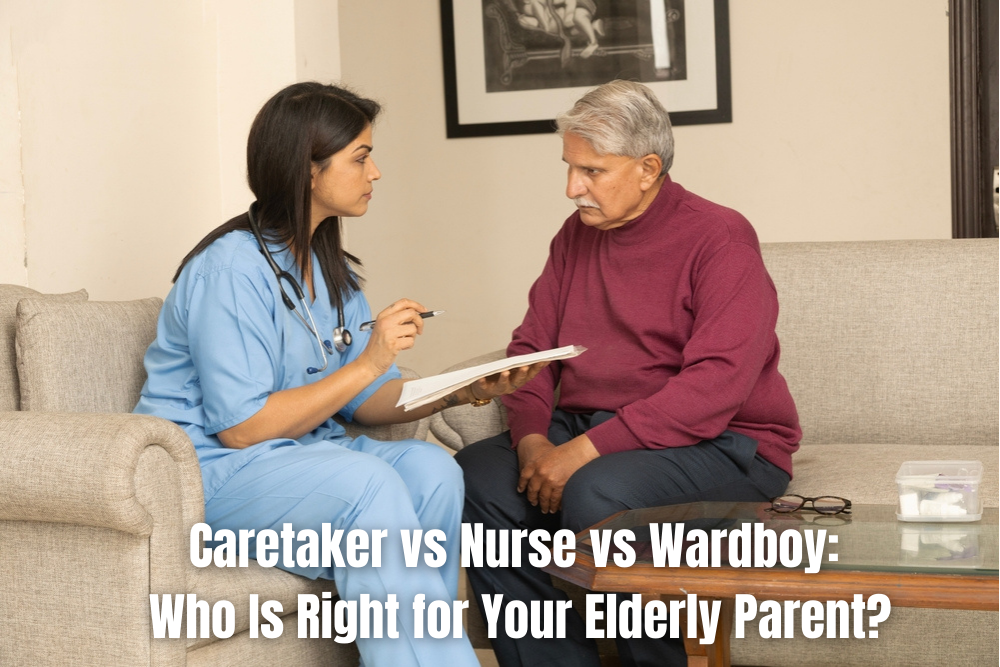
 

Caretaker vs Nurse vs Wardboy: Who Is Right for Your Elderly Parent?

When an elderly parent starts needing daily support due to illness, weakness, or age-related challenges, families often ask the same question:

“Should we hire a caretaker, a nurse, or a wardboy?”

Many people use these terms interchangeably, but in reality, each role is very different and serves a specific purpose. Choosing the right type of help is important for your parent’s comfort, safety, and recovery.

In this article, we’ll explain the difference between a caretaker, nurse, and wardboy, what each one does, and how to decide which one your elderly parent truly needs.

Understanding the Role of a Caretaker

A caretaker focuses mainly on helping elderly parents with daily living activities and companionship.

What a Caretaker Helps With

Caretakers assist with:

  • Bathing and personal hygiene
  • Dressing and grooming
  • Feeding and meal assistance
  • Walking and mobility support
  • Helping with bathroom visits
  • Medication reminders
  • Providing companionship and conversation

Caretakers are ideal for elderly parents who are weak, lonely, or need assistance with routine tasks but do not require medical procedures.

When a Caretaker Is the Right Choice

A caretaker is usually suitable when:

  • Your parent has general weakness due to age
  • They need help walking or moving around
  • They feel lonely and need companionship
  • They forget medicines sometimes
  • They need help with bathing or daily activities

Understanding the Role of a Nurse

A nurse provides medical care at home. Nurses are trained healthcare professionals who can perform medical tasks that caretakers cannot.

What a Nurse Helps With

Home nurses can assist with:

  • Injections and IV drips
  • Wound dressing and surgical care
  • Oxygen support and nebulization
  • Monitoring vitals (BP, sugar, oxygen levels)
  • Feeding tube or catheter care
  • Post-surgery recovery care
  • Managing serious medical conditions

When a Nurse Is the Right Choice

A nurse is needed when your parent:

  • Has recently been discharged from hospital
  • Needs injections or drips regularly
  • Has surgical wounds that require dressing
  • Needs oxygen therapy or breathing support
  • Has severe medical conditions requiring monitoring

Understanding the Role of a Wardboy

A wardboy provides physical assistance similar to hospital attendants. They help with tasks that require strength and physical support.

What a Wardboy Helps With

Wardboys assist with:

  • Lifting or repositioning bedridden patients
  • Transferring patients from bed to wheelchair
  • Assisting with bathing and diaper changes
  • Maintaining cleanliness and hygiene
  • Supporting nurses during medical care

When a Wardboy Is the Right Choice

A wardboy is useful when:

  • The patient is bedridden
  • The patient needs frequent repositioning
  • There is difficulty lifting or moving the patient
  • Physical assistance is required throughout the day

Quick Comparison

Role Main Purpose Best For
Caretaker Daily support and companionship Weak but mobile elderly parents
Nurse Medical care and treatment Post-surgery or serious illness
Wardboy Physical assistance Bedridden or immobile patients


Can Families Use More Than One Type of Help?

Yes, many families combine services depending on the situation.

For example:

  • A caretaker for daily routine care
  • A nurse for medical monitoring
  • A wardboy for bedridden support

This combination ensures the elderly parent receives complete care at home.

Why Choosing the Right Help Matters

Choosing the correct type of caregiver ensures:

  • Better recovery after illness
  • Reduced risk of falls or infections
  • Proper medication and treatment
  • Emotional comfort for the elderly parent
  • Less stress for family members

The right support can transform daily life for both seniors and families.

Shree Swami Samarth Patients Seva: Complete Home Care Support

At Shree Swami Samarth Patients Seva (www.sssps.in), we help families choose the right care for their elderly parents.

We provide trained:

  • Caretakers for daily assistance and companionship
  • Nurses for medical and post-hospital care
  • Wardboys for bedridden patient support

Our experienced staff ensures your parents receive safe, respectful, and compassionate care at home.

FAQs

Q1: Can a caretaker give injections or medical treatment?
No. Medical procedures must be performed by a trained nurse.

Q2: Do I need a wardboy if I already have a caretaker?
If the patient is bedridden or requires heavy physical assistance, a wardboy may be helpful.

Q3: Can these services be arranged full-time?
Yes. Full-time and 24/7 care options are available depending on your parent’s needs.

Q4: How do I decide what my parent needs?
It depends on their condition, mobility, and medical requirements. Consulting a professional care provider can help.

Conclusion

Caring for elderly parents becomes easier when the right type of support is in place. Understanding the difference between a caretaker, nurse, and wardboy helps families make informed decisions.

Whether your parent needs companionship, medical care, or physical assistance, professional help ensures they live safely, comfortably, and with dignity.

At Shree Swami Samarth Patients Seva, we are committed to supporting families and caring for elderly parents with compassion and expertise.

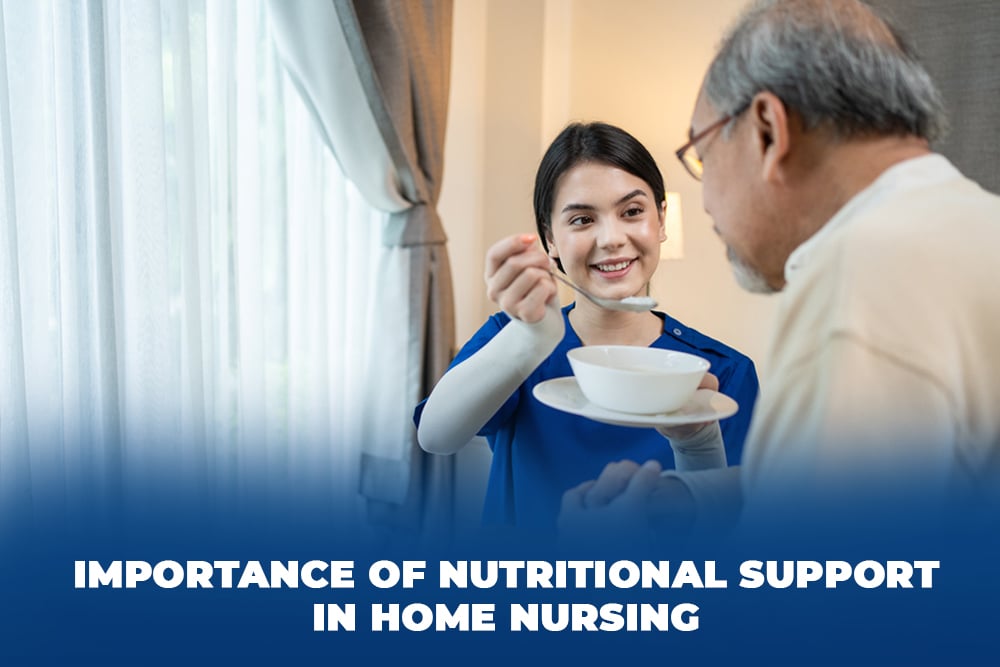
Importance of Nutritional Support in Home Nursing: Enhancing Recovery and Well-being

Proper nutrition plays a crucial role in the well-being and recovery of patients receiving home nursing care. In this article, we will explore the significance of nutritional support in home nursing, addressing the specific needs of patients and caregivers in maintaining a balanced diet for optimal health outcomes.

Understanding Nutritional Needs

Nutrition is fundamental for individuals undergoing home nursing care, particularly for elderly patients or those recovering from illnesses. Adequate nutrition supports the body’s healing process, boosts immune function, and enhances overall health. Specific attention to dietary requirements can promote faster recovery and improve the quality of life for patients under home nursing care.

Challenges in Maintaining Nutrition at Home

Maintaining proper nutrition at home can be challenging, especially for bedridden or elderly individuals. Factors such as limited mobility, dietary restrictions, and lack of appetite may hinder patients from obtaining the necessary nutrients. Caregivers face the task of ensuring that their loved ones receive nutrient-rich meals despite these obstacles.

Role of Home Nurses in Nutrition

Home nurses play a vital role in assessing and addressing the nutritional needs of patients. They collaborate with dieticians and healthcare providers to create personalized meal plans that cater to individual requirements. By monitoring dietary intake, weight changes, and signs of malnutrition, home nurses contribute significantly to the overall well-being of their patients.

Nutrition Tips for Caregivers

Caregivers can support their loved ones by providing nutritious meals that are easy to prepare and appealing. Hydration guidelines are essential, as well as strategies to accommodate dietary restrictions. Simple yet nutritious recipes and meal ideas can make a significant difference in ensuring that patients receive the proper nourishment they need to aid in their recovery.

Importance of Monitoring

Regular monitoring of nutritional status is crucial in home nursing care. Home nurses track weight changes, dietary intake, and symptoms of malnutrition to intervene promptly when necessary. By identifying early signs of nutritional deficiencies, nurses can prevent complications and promote better health outcomes for their patients.

Impact on Recovery and Well-being

Proper nutrition has a profound impact on the recovery process and overall well-being of patients under home nursing care. A well-balanced diet supports the body’s ability to heal, strengthens the immune system, and enhances energy levels. Patients who receive focused nutritional support often experience faster recovery times and improved quality of life.

Case Studies or Success Stories

Success stories highlight the positive effects of tailored nutritional support on patients’ health outcomes. These narratives showcase how proper nutrition interventions have led to significant improvements in patients’ conditions, underscoring the importance of prioritizing nutritional needs in home nursing care.

Community Resources

Caregivers can benefit from accessing community resources and nutritional services to enhance their efforts in providing optimal nutrition at home. Local programs, support groups, and educational materials can offer valuable guidance on meal planning, dietary management, and nutritional counseling to ensure that patients receive the best possible care.

In conclusion, nutritional support is a critical component of home nursing care that significantly impacts patients’ recovery and well-being. By understanding the importance of proper nutrition, caregivers and home nurses can collaborate effectively to provide comprehensive care that promotes optimal health outcomes for individuals receiving home-based medical assistance.