


How Professional Care Reduces Daily Stress for Families of Elderly Parents

Caring for elderly parents is filled with love, but it can also be emotionally and physically exhausting. Many families try their best to manage everything on their own medicines, meals, mobility, doctor visits, and constant worry about safety. Over time, this responsibility can create daily stress, guilt, and burnout.

This is where professional elderly care makes a real difference. It doesn’t replace family, it supports them. In this article, we’ll explain how professional care reduces stress for families while ensuring elderly parents receive the attention, dignity, and comfort they deserve.

Why Families Feel Constant Stress While Caring for Elderly Parents

Before understanding how professional care helps, it’s important to see where the stress comes from.

1. Fear of Something Going Wrong

Families constantly worry:

  • What if they fall when no one is around?
  • What if they miss medicines?
  • What if there’s an emergency at night?

This fear never truly leaves.

2. Managing Multiple Responsibilities

Balancing:

  • Work
  • Children
  • Household duties
  • Elderly care

can leave family members physically drained and mentally exhausted.

3. Lack of Proper Training

Most family members are not trained to:

  • Lift or move elderly parents safely
  • Handle breathing problems
  • Manage dementia-related behavior
  • Give proper hygiene care

This increases anxiety and risk of mistakes.

4. Emotional Guilt

Many children feel guilty for:

  • Not spending enough time
  • Feeling irritated or tired
  • Thinking about hiring outside help

This guilt silently adds to daily stress.

How Professional Care Reduces Stress for Families

1. Ensures Constant Supervision and Safety

With a trained caretaker or nurse at home, families no longer worry about leaving parents alone. Someone is always there to help with:

  • Walking
  • Bathroom visits
  • Night-time needs
  • Sudden health issues

This alone removes a huge mental burden.

2. Handles Daily Care Smoothly

Professional caregivers take care of:

  • Bathing and hygiene
  • Feeding and hydration
  • Dressing and grooming
  • Mobility assistance

Families no longer have to rush or struggle with daily tasks.

3. Manages Medicines and Health Monitoring

Caregivers and nurses:

  • Give medicines on time
  • Monitor BP, sugar, oxygen if needed
  • Observe early signs of illness

This reduces emergencies and hospital visits—another major stress reliever.

4. Provides Emotional Support to Elderly Parents

Loneliness and emotional distress increase dependence on family members. Caregivers provide:

  • Companionship
  • Conversation
  • Emotional reassurance

When parents feel emotionally supported, families feel lighter too.

5. Reduces Night-Time Anxiety

Night care is one of the most stressful parts of elderly care. Professional night caretakers ensure:

  • Safe bathroom visits
  • Calm handling of confusion or restlessness
  • Immediate response to emergencies

Families can finally sleep peacefully.

6. Improves Family Relationships

When stress reduces:

  • Conversations become calmer
  • Conflicts reduce
  • Families spend quality time instead of only caregiving time

Professional care restores emotional balance in the household.

Who Provides Professional Elderly Care?

Caretakers

Best for daily support, companionship, mobility help, hygiene, and routine care.

Nurses

Needed for medical needs like injections, wound care, oxygen support, or post-surgery recovery.

Wardboys

Helpful for bedridden patients who need physical assistance and hygiene support.

Shree Swami Samarth Patients Seva: Supporting Families, Not Replacing Them

At Shree Swami Samarth Patients Seva (www.sssps.in), we understand how stressful elderly care can be for families.

Our trained:

  • Caretakers
  • Nurses
  • Wardboys

provide compassionate, reliable home care so families can breathe easier—knowing their loved ones are safe, comfortable, and respected.

We offer:

  • Part-time, full-time, and 24/7 care
  • Support for chronic illness, dementia, post-hospital recovery
  • Emotional and physical care tailored to elderly needs

FAQs

Q1: Does hiring professional care mean I’m neglecting my parents?
No. It means you’re choosing safer, better care while staying emotionally present.

Q2: Can professional care really reduce daily stress?
Yes. Knowing someone trained is caring for your parent removes constant worry.

Q3: Can care be adjusted as my parent’s condition changes?
Absolutely. Care plans can be upgraded from caretaker to nurse support as needed.

Q4: Is professional care affordable long-term?
Compared to repeated hospital visits and burnout, home care is often more practical and cost-effective.

Conclusion

Caring for elderly parents should not feel like a constant struggle. With professional care, families experience relief, confidence, and emotional peace while parents receive the dignity and attention they deserve.

Professional caregivers don’t take away your role as a child, they strengthen it.

At Shree Swami Samarth Patients Seva, we stand beside families, helping them care better without carrying the burden alone.
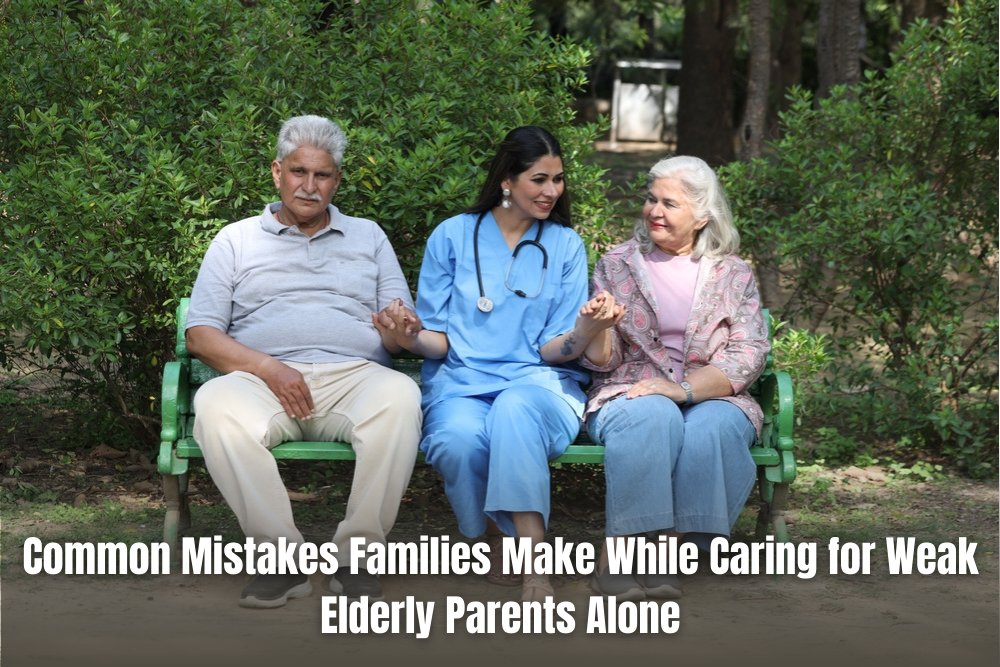
 

Common Mistakes Families Make Caring for Weak Elderly Parents

Common Mistakes Families Make While Caring for Weak Elderly Parents Alone

Caring for weak elderly parents is an act of love. Families do their best—managing medicines, helping with daily tasks, and constantly worrying about their parents’ safety. But when this care is handled alone, without proper support or guidance, certain mistakes can happen unintentionally.

These mistakes are not because families don’t care—but because elderly care is physically, emotionally, and mentally demanding.

In this article, we’ll discuss the most common mistakes families make while caring for weak elderly parents alone, why they happen, and how they can be avoided to ensure better health, dignity, and peace of mind.

1. Ignoring Early Signs of Weakness

Many families assume weakness is “normal with age” and delay seeking help.

What happens:

  • Slow walking is ignored
  • Fatigue is brushed aside
  • Loss of appetite is considered normal

Why this is risky:
Weakness can be a sign of poor nutrition, infection, medication side effects, or underlying illness.

How to avoid it:
Regular observation and early intervention—either through a nurse or caretaker—can prevent serious health decline.

2. Trying to Do Everything Alone

Family members often try to manage:

  • Lifting and moving parents
  • Bathing and toileting
  • Night-time care
  • Medicines and meals

What goes wrong:

  • Family members become exhausted
  • Risk of injury to both senior and caregiver
  • Emotional burnout

How to avoid it:
Accepting professional help is not failure—it’s responsible care.

3. Poor Medication Management

Weak elderly parents often take multiple medicines.

Common mistakes:

  • Missed doses
  • Wrong timing
  • Double dosing
  • Mixing medicines incorrectly

Why it’s dangerous:
This can lead to low BP, sugar crashes, dizziness, or hospital emergencies.

How to avoid it:
A caretaker or nurse ensures medicines are given on time and correctly every day.

4. Not Encouraging Safe Movement

Families sometimes stop elderly parents from moving due to fear of falls.

What happens:

  • Muscles weaken faster
  • Joint stiffness increases
  • Seniors become bedridden

How to avoid it:
With supervision, gentle daily movement is essential. Caretakers help seniors move safely without risk.

5. Overlooking Nutrition and Hydration

Weak seniors often eat less or forget to drink water.

Common issues:

  • Skipping meals
  • Eating very little
  • Dehydration

Why it matters:
Poor nutrition worsens weakness, immunity, and recovery.

How to avoid it:
Caretakers ensure meals, fluids, and supplements are taken properly.

6. Ignoring Emotional Health

Families focus heavily on physical needs but forget emotional well-being.

What seniors feel:

  • Loneliness
  • Helplessness
  • Fear
  • Loss of confidence

What families miss:
Emotional pain often shows as silence, irritability, or withdrawal.

How to avoid it:
Companionship and regular interaction—something caretakers naturally provide—helps seniors feel valued.

7. Unsafe Handling During Daily Tasks

Helping with bathing, walking, or shifting positions without training can cause falls or injuries.

Why it happens:
Families are not trained in safe handling techniques.

How to avoid it:
Caretakers and wardboys are trained to assist safely and respectfully.

8. Delaying Professional Help Until an Emergency

Many families seek help only after:

  • A fall
  • Sudden hospitalization
  • Severe weakness

Why this is a mistake:
Preventive care is always better than emergency care.

How to avoid it:
Early caregiving support prevents crises and reduces hospital visits.

9. Night-Time Neglect Due to Fatigue

Caring through the night is extremely tiring.

Risks at night:

  • Falls during bathroom visits
  • Confusion or anxiety
  • Missed emergencies

How to avoid it:
A night caretaker ensures constant supervision while families rest.

10. Feeling Guilty About Getting Help

Many families believe hiring help means abandoning responsibility.

Truth:
Getting professional support means you are choosing better care, not less love.

How Professional Caregivers Make a Difference

Trained caretakers:

  • Monitor weakness and health changes
  • Help with mobility and hygiene
  • Ensure meals and medicines
  • Provide emotional companionship
  • Reduce family stress
  • Improve quality of life

Shree Swami Samarth Patients Seva: Supporting Families with Compassion

At Shree Swami Samarth Patients Seva (www.sssps.in), we work closely with families caring for weak elderly parents.

Our trained caretakers, nurses, and wardboys:

  • Understand elderly weakness and fatigue
  • Provide safe daily assistance
  • Support emotional well-being
  • Offer part-time, full-time, and 24/7 care

We don’t replace family—we support them.

FAQs

Q1: Is weakness in old age always normal?
Some weakness is normal, but sudden or worsening weakness needs attention.

Q2: Can a caretaker help prevent hospital visits?
Yes. Regular monitoring and daily support reduce emergencies.

Q3: When should we hire professional help?
As soon as daily care becomes physically or emotionally overwhelming.

Q4: Can caretakers stay overnight?
Yes. Night and 24-hour care options are available.

Conclusion

Caring for weak elderly parents alone is challenging, and mistakes are common—but they are avoidable. Recognizing limitations and seeking the right help ensures your parents live safely, comfortably, and with dignity.

A trained caretaker doesn’t take love away from your care—they strengthen it.

At Shree Swami Samarth Patients Seva, we’re here to walk this journey with you—every step of the way.


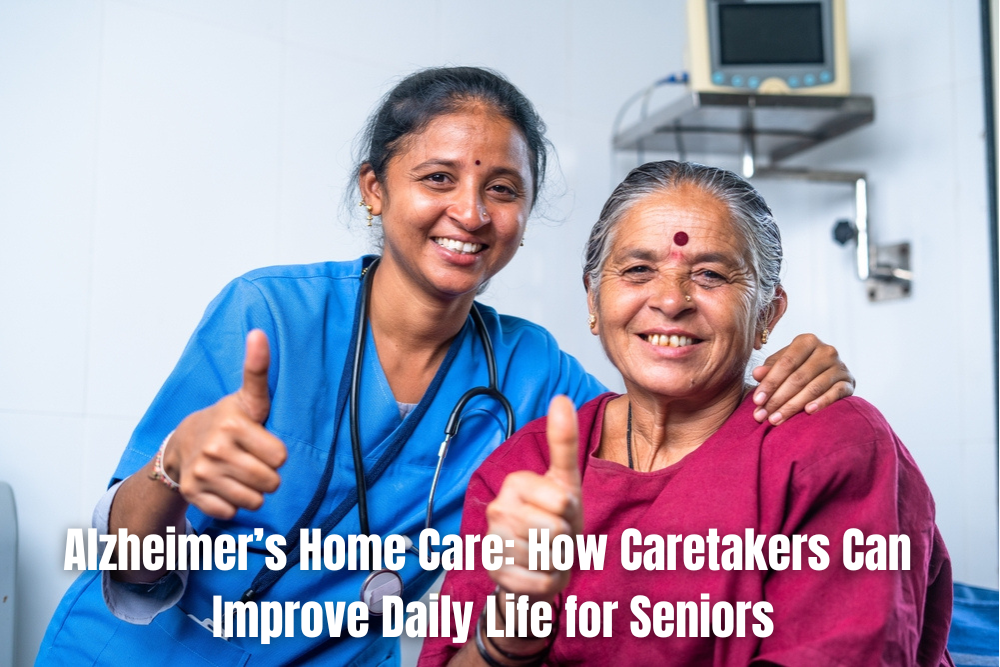
Alzheimer’s Home Care: How Caretakers Can Improve Daily Life for Seniors

Caring for a loved one with Alzheimer’s can be emotionally and physically exhausting—especially when the symptoms begin to affect their everyday life. If you’re a family member trying to balance work, distance, or personal health, it’s natural to feel overwhelmed. That’s where trained caretakers step in.

In this article, you’ll learn how caretakers can make daily life easier, safer, and more comforting for seniors living with Alzheimer’s. We’ll also cover the specific challenges of Alzheimer’s care and why home-based caregiving is often the most supportive option for both seniors and families.

Understanding Alzheimer’s Disease in Seniors

Alzheimer’s is a progressive condition that affects memory, thinking, and behavior. It can make everyday tasks—like remembering names, managing time, or even finding the bathroom—confusing and frustrating.

Common symptoms include:

  • Memory loss that disrupts daily life

  • Difficulty completing familiar tasks

  • Mood swings, confusion, or irritability

  • Wandering or restlessness

  • Difficulty communicating clearly

These symptoms worsen over time, making it harder for seniors to live independently.

Why Home Care is Helpful for Seniors with Alzheimer’s

Home is where your loved one feels safest. Familiar surroundings reduce confusion and anxiety, making home care a preferred choice over institutions.

Having a trained caretaker at home means:

  • Consistent routines, which reduce stress for Alzheimer’s patients

  • Gentle guidance and reminders for daily activities

  • Emotional support during moments of confusion or anxiety

  • Personal attention and care that respects their dignity

How Caretakers Improve Daily Life for Alzheimer’s Patients

1. Establishing Daily Routine

Caretakers maintain a fixed daily schedule—waking up, meals, bathing, rest—which helps reduce confusion and provides comfort through predictability.

2. Assisting with Personal Hygiene

Seniors with Alzheimer’s may forget to bathe, change clothes, or brush their teeth. Caretakers assist with grooming and hygiene, all while maintaining the senior’s comfort and dignity.

3. Ensuring Medication Compliance

Alzheimer’s patients often forget medications or take them incorrectly. Caretakers help with timely and correct dosage, preventing health complications.

4. Providing Emotional Companionship

Loneliness and anxiety are common. A caretaker not only supports physically, but also listens, talks, and builds trust with the senior, easing emotional strain.

5. Preventing Wandering or Accidents

Caregivers stay alert to signs of wandering or restlessness and take preventive steps to ensure safety—like locking unsafe areas or staying nearby during walks.

6. Helping with Meals and Nutrition

Caretakers help prepare or feed healthy meals, ensuring proper nutrition, hydration, and mealtime support—crucial when patients forget to eat or resist food.

Peace of Mind for Families

When you hire a trained Alzheimer’s caretaker:

  • You can focus on your own work and responsibilities

  • You avoid caregiver burnout or guilt from not doing enough

  • You know your loved one is receiving kind and professional care every day

Alzheimer’s Care at Home by Shree Swami Samarth Patients Seva

At Shree Swami Samarth Patients Seva (www.sssps.in), we provide trained and compassionate caretakers who specialize in caring for seniors with Alzheimer’s.

Our team is trained to:

  • Handle confusion and aggression with patience

  • Offer 24/7 support and emotional reassurance

  • Monitor health and coordinate with doctors if needed

  • Maintain dignity and comfort throughout the day

We understand that Alzheimer’s care isn’t just about tasks—it’s about trust, compassion, and being present.

FAQs About Alzheimer’s Home Care

Q1: When should I consider hiring a caretaker for Alzheimer’s care?
If your loved one is forgetting daily tasks, becoming confused often, or if you’re struggling to balance care with your responsibilities, it’s time to seek help.

Q2: Can home caretakers handle aggressive or confused behavior?
Yes. Trained caregivers know how to manage mood changes, agitation, or wandering with calm, respectful strategies.

Q3: Is home care better than a nursing home for Alzheimer’s patients?
Many families find home care better in early to mid-stages, as it keeps the senior in familiar surroundings, reducing distress and confusion.

Q4: What kind of training do your caregivers receive?
At Shree Swami Samarth Patients Seva, our caregivers are trained in elderly care, memory care, hygiene, emergency response, and emotional support techniques.

Q5: Can I get 24-hour Alzheimer’s care at home?
Yes, we offer both part-time and 24/7 care services, based on your family’s needs.

Conclusion

Alzheimer’s care is not easy—but you don’t have to handle it alone. A trained, kind, and experienced caretaker can make life easier, safer, and more peaceful for both your parent and your family.

At Shree Swami Samarth Patients Seva, we’ve helped countless families across India provide loving, professional care at home. Your loved one deserves comfort. And you deserve peace of mind.

Visit www.sssps.in to learn more or book a caretaker today.