
When an elderly parent starts needing daily support due to illness, weakness, or age-related challenges, families often ask the same question:
“Should we hire a caretaker, a nurse, or a wardboy?”
Many people use these terms interchangeably, but in reality, each role is very different and serves a specific purpose. Choosing the right type of help is important for your parent’s comfort, safety, and recovery.
In this article, we’ll explain the difference between a caretaker, nurse, and wardboy, what each one does, and how to decide which one your elderly parent truly needs.
Understanding the Role of a Caretaker
A caretaker focuses mainly on helping elderly parents with daily living activities and companionship.
What a Caretaker Helps With
Caretakers assist with:
- Bathing and personal hygiene
- Dressing and grooming
- Feeding and meal assistance
- Walking and mobility support
- Helping with bathroom visits
- Medication reminders
- Providing companionship and conversation
Caretakers are ideal for elderly parents who are weak, lonely, or need assistance with routine tasks but do not require medical procedures.
When a Caretaker Is the Right Choice
A caretaker is usually suitable when:
- Your parent has general weakness due to age
- They need help walking or moving around
- They feel lonely and need companionship
- They forget medicines sometimes
- They need help with bathing or daily activities
Understanding the Role of a Nurse
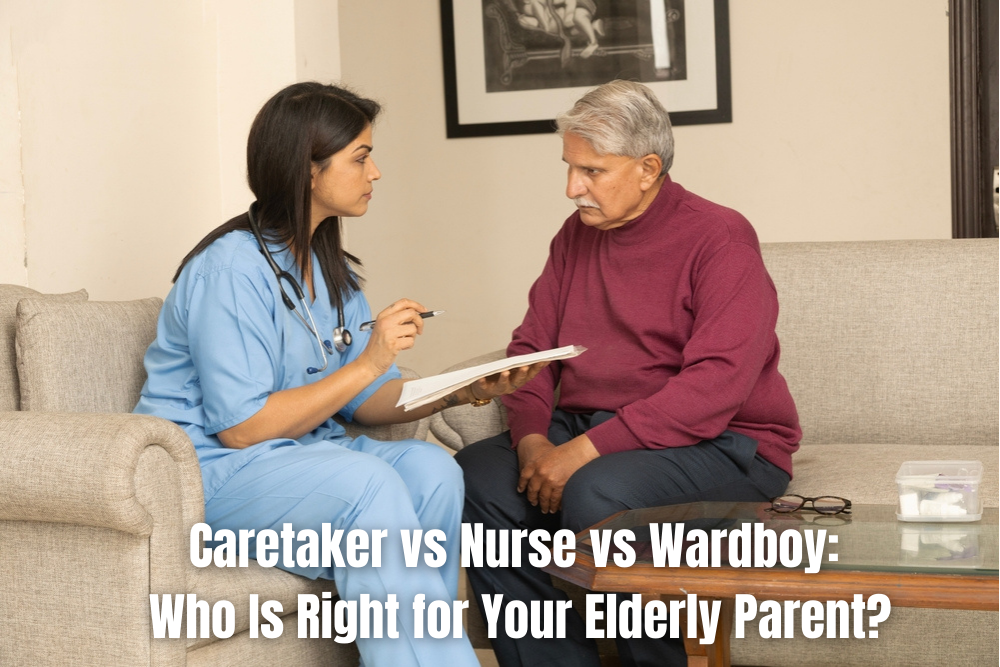
A nurse provides medical care at home. Nurses are trained healthcare professionals who can perform medical tasks that caretakers cannot.
What a Nurse Helps With
Home nurses can assist with:
- Injections and IV drips
- Wound dressing and surgical care
- Oxygen support and nebulization
- Monitoring vitals (BP, sugar, oxygen levels)
- Feeding tube or catheter care
- Post-surgery recovery care
- Managing serious medical conditions
When a Nurse Is the Right Choice
A nurse is needed when your parent:
- Has recently been discharged from hospital
- Needs injections or drips regularly
- Has surgical wounds that require dressing
- Needs oxygen therapy or breathing support
- Has severe medical conditions requiring monitoring
Understanding the Role of a Wardboy
A wardboy provides physical assistance similar to hospital attendants. They help with tasks that require strength and physical support.
What a Wardboy Helps With
Wardboys assist with:
- Lifting or repositioning bedridden patients
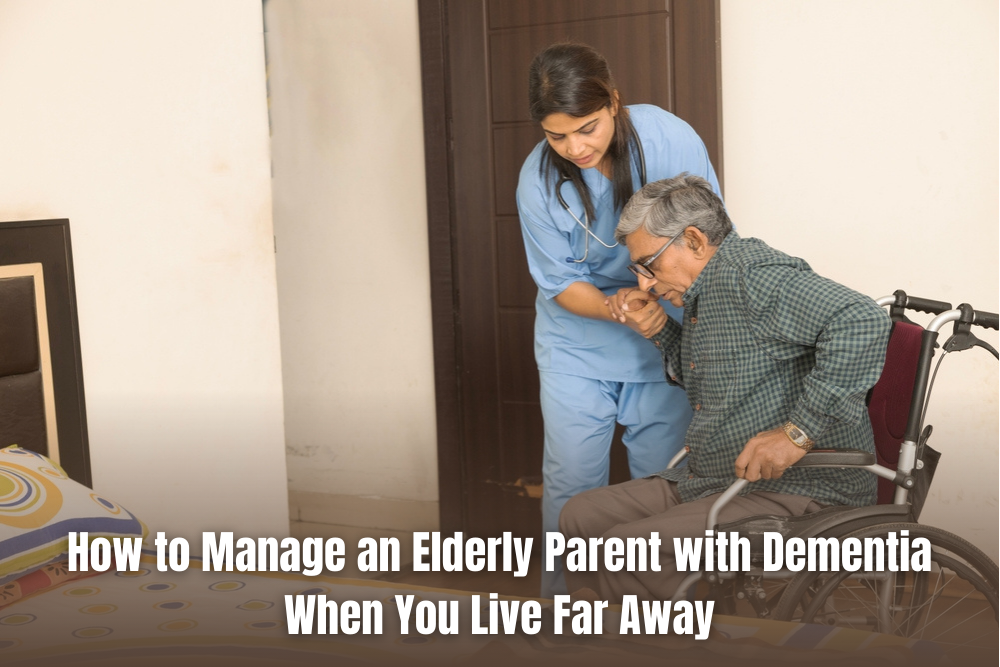
- Transferring patients from bed to wheelchair
- Assisting with bathing and diaper changes
- Maintaining cleanliness and hygiene
- Supporting nurses during medical care
When a Wardboy Is the Right Choice
A wardboy is useful when:
- The patient is bedridden
- The patient needs frequent repositioning
- There is difficulty lifting or moving the patient
- Physical assistance is required throughout the day
Quick Comparison
| Role | Main Purpose | Best For |
| Caretaker | Daily support and companionship | Weak but mobile elderly parents |
| Nurse | Medical care and treatment | Post-surgery or serious illness |
| Wardboy | Physical assistance | Bedridden or immobile patients |
Can Families Use More Than One Type of Help?
Yes, many families combine services depending on the situation.
For example:
- A caretaker for daily routine care
- A nurse for medical monitoring
- A wardboy for bedridden support
This combination ensures the elderly parent receives complete care at home.
Why Choosing the Right Help Matters
Choosing the correct type of caregiver ensures:
- Better recovery after illness
- Reduced risk of falls or infections
- Proper medication and treatment
- Emotional comfort for the elderly parent
- Less stress for family members
The right support can transform daily life for both seniors and families.
Shree Swami Samarth Patients Seva: Complete Home Care Support
At Shree Swami Samarth Patients Seva (www.sssps.in), we help families choose the right care for their elderly parents.
We provide trained:
- Caretakers for daily assistance and companionship
- Nurses for medical and post-hospital care
- Wardboys for bedridden patient support
Our experienced staff ensures your parents receive safe, respectful, and compassionate care at home.
FAQs
Q1: Can a caretaker give injections or medical treatment?
No. Medical procedures must be performed by a trained nurse.
Q2: Do I need a wardboy if I already have a caretaker?
If the patient is bedridden or requires heavy physical assistance, a wardboy may be helpful.
Q3: Can these services be arranged full-time?
Yes. Full-time and 24/7 care options are available depending on your parent’s needs.
Q4: How do I decide what my parent needs?
It depends on their condition, mobility, and medical requirements. Consulting a professional care provider can help.
Conclusion
Caring for elderly parents becomes easier when the right type of support is in place. Understanding the difference between a caretaker, nurse, and wardboy helps families make informed decisions.
Whether your parent needs companionship, medical care, or physical assistance, professional help ensures they live safely, comfortably, and with dignity.
At Shree Swami Samarth Patients Seva, we are committed to supporting families and caring for elderly parents with compassion and expertise.