
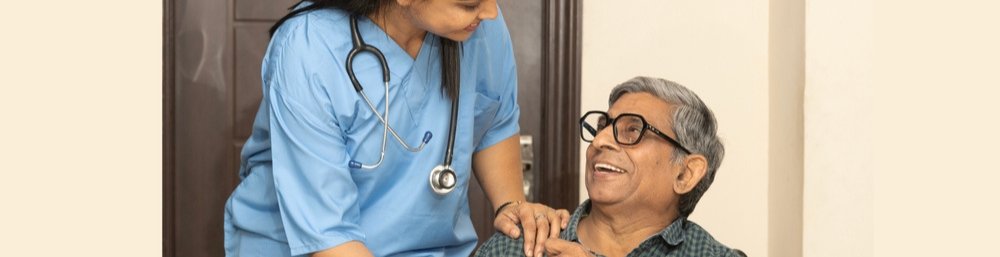
After the age of 65, everyday life starts to change in ways many families don’t expect. Tasks that once felt simple walking, bathing, remembering things, or even eating properly can slowly become difficult.
For elderly parents, these changes can affect their health, confidence, and independence. For families, especially those managing work or living away, it can become overwhelming to handle everything alone.
In this article, you’ll understand the common daily challenges faced by seniors after 65 and who can help them safely at home.
Common Daily Challenges Faced by Elderly After 65
1. Weakness and Low Energy
Many seniors feel tired quickly. Even small activities like standing, walking, or climbing stairs can become exhausting.
What helps:
A caretaker can assist with movement, daily activities, and light exercises to maintain strength.
2. Joint Pain and Mobility Issues
Conditions like arthritis or osteoporosis make walking painful and increase the risk of falls.
What helps:
A trained caretaker supports safe walking, posture changes, and bathroom assistance.
3. Memory Problems and Forgetfulness
Forgetting medicines, names, or routines becomes common—and in some cases, may develop into dementia.
What helps:
A caretaker ensures routines are followed and medicines are taken on time.
4. Managing Multiple Medicines
Elderly parents often take medicines for BP, sugar, heart, and pain. Missing doses or taking the wrong ones can be risky.
What helps:
A caretaker or nurse manages medicine schedules and monitors side effects.
5. Poor Appetite and Nutrition
Many seniors eat less due to weakness, dental issues, or loneliness.
What helps:
A caretaker helps with meal preparation, feeding, and hydration.
6. Breathing Problems
Conditions like asthma, COPD, or heart issues can make breathing difficult—especially during winters.
What helps:
A home nurse can manage inhalers, nebulization, and oxygen support if needed.
7. Hygiene and Personal Care Difficulties
Bathing, dressing, or using the toilet may become unsafe without help.
What helps:
A caretaker or wardboy ensures hygiene with dignity and safety.
8. Loneliness and Emotional Stress
Living alone or feeling dependent can lead to sadness, anxiety, or withdrawal.
What helps:
A companion caretaker provides emotional support and daily interaction.
9. Sleep Issues
Disturbed sleep or night-time anxiety is common in elderly people.
What helps:
A night caretaker ensures safety and comfort during late hours.
10. Sudden Health Emergencies
Falls, breathing issues, or sudden weakness can happen anytime.
What helps:
A trained caretaker or nurse can respond quickly and inform family members or doctors.
Who Can Help Elderly Parents at Home?
Caretaker
Best for:
- Daily support
- Mobility assistance
- Hygiene and feeding
- Companionship
Nurse
Needed for:
- Injections or drips
- Wound care
- Oxygen support
- Monitoring vitals
Wardboy
Helpful for:
- Bedridden patients
- Lifting and repositioning
- Physical support and hygiene
Why Home Care Is the Best Option
- Seniors stay in a familiar environment
- Personal attention is better than hospitals
- Emotional comfort improves recovery
- Fewer hospital visits
- Families feel less stressed
Shree Swami Samarth Patients Seva: Complete Elderly Care at Home
At Shree Swami Samarth Patients Seva (www.sssps.in), we understand the real-life challenges elderly parents face after 65.
We provide:
- Trained caretakers
- Skilled nurses
- Experienced wardboys
- Part-time, full-time, and 24/7 care
Our goal is simple—to ensure your parents live safely, comfortably, and with dignity.
FAQs
Q1: Is it normal to need help after 65?
Yes. Aging naturally affects strength, memory, and mobility.
Q2: When should I hire a caretaker?
When daily tasks become difficult or unsafe.
Q3: Can home care reduce hospital visits?
Yes. Regular monitoring helps prevent emergencies.
Q4: Can caregivers stay full-time?
Yes, full-time and 24-hour options are available.
Conclusion
Life after 65 comes with challenges—but with the right support, elderly parents can continue to live safely and comfortably at home.
A trained caregiver or nurse doesn’t replace family—they support it, ensuring your loved ones receive the care they truly deserve.
At Shree Swami Samarth Patients Seva, we stand beside families—helping them care better, without carrying the burden alone.