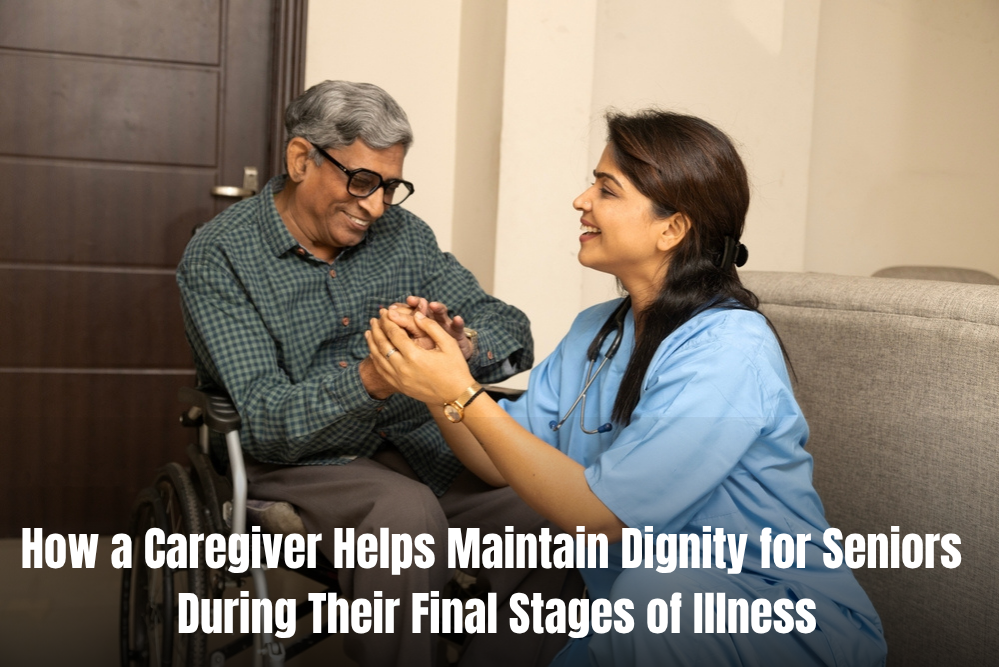
How a Caretaker Helps Families Cope with the Challenges of Terminal Illness in the Elderly

When an elderly parent or loved one is diagnosed with a terminal illness, it’s one of the most emotionally difficult times for any family. You’re faced with fear, uncertainty, and helplessness not just about their medical condition, but also about how to care for them in their final phase of life with love, comfort, and dignity.

This article will help you understand how a trained caretaker can play a supportive role during this time — helping the elderly patient feel cared for, reducing the burden on family members, and ensuring comfort at every stage.

Whether you’re based in India or living far away from your aging parents, this guide is for you.

Understanding the Challenges of Terminal Illness in the Elderly

When someone is in the last stage of an illness like cancer, advanced dementia, heart failure, or organ failure, daily life becomes harder. Families may face:

  • Physical care needs like feeding, hygiene, mobility, and medication
  • Emotional distress — sadness, guilt, helplessness, or fear of losing a loved one
  • Medical decisions around palliative or end-of-life care
  • Lack of time or ability to be present 24/7
  • Exhaustion from trying to do everything alone

This is where professional help makes a difference.

What Does a Caretaker Do for a Terminally Ill Elderly Patient?

1. Provides Round-the-Clock Physical Care

Caretakers ensure that the patient is:

  • Clean, dry, and comfortable
  • Fed on time — soft meals or tube feeding if needed
  • Repositioned in bed to prevent bedsores
  • Assisted with toileting or diaper changes
  • Gently bathed or wiped down daily

They bring a sense of routine and dignity in the most sensitive times.

2. Manages Medications and Pain Relief

Terminal illnesses often involve pain, discomfort, or side effects. Caretakers help by:

  • Giving medicines on time (including painkillers, sedatives, or antibiotics)
  • Noticing changes in symptoms
  • Alerting family or doctors when something feels “off”
  • Supporting the use of oxygen, injections, or drips when needed

3. Offers Emotional and Mental Support

Sometimes, just having someone around helps. A caretaker offers:

  • A patient, listening ear to the elderly
  • Gentle conversations, prayers, or soothing presence
  • Emotional comfort when family members feel overwhelmed

They often become a part of the family during this difficult time.

4. Relieves Family Members from Burnout

You love your parent. But it’s not easy doing everything on your own — physically or emotionally.

Caretakers allow you to:

  • Spend quality time instead of doing chores
  • Take breaks without guilt
  • Sleep peacefully knowing someone is by your loved one’s side

They become your helping hand, your emotional backup, and your peace of mind.

5. Supports End-of-Life Decisions with Dignity

In many cases, caretakers assist with:

  • Palliative care plans suggested by doctors
  • Making the patient feel respected and human, not “just a patient”
  • Keeping the environment peaceful, clean, and calm
  • Ensuring that religious or cultural rituals are followed respectfully

Why Families Shouldn’t Do This Alone

Caring for a terminally ill loved one is a full-time job. Doing it alone can lead to emotional breakdowns, missed care routines, or guilt. A trained caretaker can make the final days or months more peaceful — for both the patient and their family.

Our Caregivers at Shree Swami Samarth Patients Seva

At www.sssps.in, we provide experienced, verified, and empathetic caretakers who:

  • Understand how to care for terminally ill elderly patients
  • Are trained in end-of-life care, pain management, and emotional support
  • Treat your loved ones like family — with patience, kindness, and dignity
  • Can offer 24/7 support based on your needs

Let us walk with you during this journey, so you don’t have to carry the burden alone.

FAQs: Caregiving for Terminally Ill Elderly Parents

Q1. Is home care better than hospital for terminal illness?
Yes. Home care allows the patient to be in a peaceful, familiar space with their family around.

Q2. What kind of diseases need terminal care?
Advanced cancer, dementia, heart failure, Parkinson’s, kidney or liver failure, and severe strokes may all require palliative/end-of-life care.

Q3. What do caretakers do that family can’t?
Caretakers are trained in hygiene, feeding, lifting, medication, and emotional support — which helps families focus on love instead of just logistics.

Q4. How long can a caretaker be hired for?
You can hire for daily shifts, night shifts, or 24/7 care — based on your needs.

Q5. How does your service ensure safety and quality?
At Shree Swami Samarth Patients Seva, all caretakers are background-checked, experienced, and regularly monitored.

Conclusion

Watching a parent go through a terminal illness is never easy. But you don’t have to do it alone. With the right caretaker, your parent can spend their final days with dignity, comfort, and love — while you get the space to be emotionally present for them.

Shree Swami Samarth Patients Seva (www.sssps.in) is here to provide compassionate support, helping you walk this path with strength and grace.

Let’s make sure your loved one is never alone in their final journey.

Feeding Support for Elderly Parents Who Are Too Weak to Eat on Their Own

When an elderly parent becomes too weak to eat by themselves, it can be heartbreaking and stressful for the entire family. Whether due to age, illness, surgery, or conditions like dementia or stroke, the inability to feed oneself affects both health and dignity.

In this article, you’ll learn:

  • Why elderly people struggle with eating
  • Signs they need feeding support
  • Ways caretakers and nurses help
  • How families can ensure safe, respectful feeding at home

This guide is especially written for family members in India who want to ensure proper care and nutrition for their aging loved ones.

Why Some Seniors Struggle to Eat on Their Own

There are several physical or mental conditions that may cause this:

  • Muscle Weakness due to age or long-term illness
  • Stroke or Paralysis affecting arm or hand movement
  • Parkinson’s Disease causing shaking or coordination loss
  • Dementia or Alzheimer’s leading to confusion or forgetting how to eat
  • Cancer or Severe Weight Loss reducing appetite and strength
  • Post-surgery weakness or bed rest that restricts movement

Common Signs That Feeding Help is Needed

If you’re unsure whether your parent needs feeding support, look out for these signs:

  • They spill food or drop utensils regularly
  • They avoid meals or eat less than usual
  • They cough, choke, or gag while eating
  • They show signs of weight loss or dehydration
  • They seem tired or sleepy at meal times
  • They are bedridden or unable to sit upright

If any of these are frequent, feeding support is not just helpful—it’s necessary.

How Caretakers and Nurses Can Help With Feeding

Having trained help at home makes a huge difference. Here’s how a caretaker or nurse provides support:

1. Patient Feeding Assistance

Caregivers feed the elderly slowly and patiently, ensuring:

  • Food is chewed properly
  • They sit in a safe upright position
  • Water and liquids are given carefully
    This avoids choking and helps in smooth digestion.

2. Meal Preparation & Planning

They prepare soft, easy-to-digest meals as per the doctor or dietitian’s advice. For example:

  • Mashed or pureed food for stroke patients
  • Small, frequent meals for weak patients
  • Diabetic or salt-controlled meals for chronic conditions

3. Monitoring Nutrition Intake

Nurses keep a track of:

  • Daily food and fluid intake
  • Body weight
  • Signs of dehydration or malnourishment
    They inform doctors if anything unusual is noticed.

4. Tube Feeding Support (if required)

If the patient is on a feeding tube (Ryle’s tube), a trained nurse manages:

  • Cleaning and changing the tube
  • Administering feeds and medications
  • Preventing infection or blockages

5. Encouragement and Emotional Support

Feeding is not just about food, it’s also emotional. Caregivers talk, comfort, and make the elderly feel respected and cared for while eating.

Benefits for Families

  • Peace of mind knowing your parent is fed properly
  • Reduced risk of choking, malnutrition, or weakness
  • Less emotional stress during meal times
  • More time to focus on other responsibilities

Need Feeding Support at Home in India?

At Shree Swami Samarth Patients Seva we provide trained nurses and caretakers who specialize in elderly feeding care, including:

  • Bedridden or post-surgery feeding
  • Dementia or stroke patient care
  • Tube feeding support
  • Daily monitoring and nutrition tracking

We’ve helped hundreds of families ensure their loved ones are cared for with dignity and safety.

FAQs: Feeding Support for Elderly at Home

Q1. Is it safe for a caretaker to feed my parents?
Yes. Trained caretakers know how to assist safely and patiently, especially for weak or bedridden patients.

Q2. Can a caretaker help with special diets (diabetic/low salt)?
Absolutely. Our caregivers are trained to follow diet charts given by doctors.

Q3. How often should feeding be done?
It depends on the patient’s health. Most elderly patients need 3–5 small meals a day, plus liquids.

Q4. What if my parents are on tube feeding?
We provide nurses trained in managing Ryle’s tube feeding, medication, and hygiene.

Q5. Can feeding support be provided at night as well?
Yes. We offer 24/7 care options, including night-time support for weak patients.

Conclusion

Feeding is one of the most basic yet important parts of caregiving. If your elderly parent is too weak to eat on their own, don’t wait. With trained caretakers and nurses, your loved one gets the right nutrition, gentle care, and human connection they need every day.

Shree Swami Samarth Patients Seva is here to support you with experienced professionals who treat your family like their own.

Let us help you provide the care your parents deserve safely, lovingly, and respectfully.

Post-Surgery Cardiac Care: Why Hiring a Nurse for Home Recovery is Important

When a loved one returns home after heart surgery, the road to recovery truly begins. The first few weeks are critical—filled with medications, lifestyle adjustments, restricted movements, and emotional ups and downs. For family members, especially those without medical training, managing this stage can be overwhelming.

That’s where a trained home nurse becomes essential.

In this article, we’ll explain why hiring a nurse for post-cardiac surgery care at home is important, how they help with daily recovery, and how this care ensures better health outcomes—especially for elderly patients in India.

Why Post-Surgery Cardiac Care at Home Needs Professional Support

Cardiac surgery (like bypass surgery, valve replacement, or angioplasty) weakens the body and requires:

  • Strict medication and diet

  • Monitoring of vitals like blood pressure, heart rate, and oxygen levels

  • Restricted physical activity and supervised movements

  • Timely wound care and infection prevention

  • Emotional reassurance

A nurse brings both medical expertise and gentle care, helping patients recover in the comfort of their home without unnecessary stress or readmissions.

What Does a Nurse Do After Cardiac Surgery?

1. Monitors Vital Signs Daily

The nurse regularly checks:

  • Blood pressure

  • Heart rate

  • Oxygen saturation

  • Body temperature

These help detect any signs of complications like arrhythmias or infections early.

2. Manages Medication

After heart surgery, medications are prescribed for:

  • Preventing blood clots

  • Reducing cholesterol or blood pressure

  • Managing diabetes (if present)
    A nurse ensures correct dosage and timing and watches for any side effects.

3. Wound Care and Dressing

Post-surgical wounds must be kept clean to avoid infections. Nurses change dressings, watch for signs of pus, redness, or swelling, and guide patients on hygiene.

4. Assists with Daily Tasks

Elderly patients often need help with:

  • Bathing and dressing

  • Using the bathroom safely

  • Sitting and standing with support

Nurses assist gently without straining the patient’s body.

5. Supports Physical Activity

The nurse encourages light walking or basic movement based on the doctor’s advice. This prevents stiffness, helps circulation, and boosts healing.

6. Provides Emotional Support

After surgery, patients may feel anxious, low in energy, or fearful. Nurses offer a calming presence and emotional reassurance, reducing stress.

Benefits for the Family

  • Peace of Mind: You know a professional is watching over your parent or spouse.

  • Reduced Readmission Risk: Many patients return to the hospital due to neglect or unmonitored issues. A nurse helps avoid that.

  • Faster Recovery: Regular monitoring and care ensure the patient regains strength steadily.

  • Time-Saving: Family members can focus on their jobs or other responsibilities while the nurse handles care.

When Should You Hire a Nurse After Cardiac Surgery?

  • If the patient is elderly or weak

  • If the surgery was major or complex

  • If there are existing health issues like diabetes, COPD, or high BP

  • If no one in the family has medical experience

  • If you live away or cannot provide full-time support

Need Trained Nurses at Home in India?

At Shree Swami Samarth Patients Seva (www.sssps.in), we provide experienced nurses who specialize in post-surgery cardiac care at home. Our team:

  • Follows doctor’s protocols strictly

  • Ensures comfort, hygiene, and emotional support

  • Offers 24/7 care options for those who need it

We’ve helped hundreds of families care for their loved ones after surgery with compassion and professionalism.

FAQs: Post-Surgery Cardiac Nursing Care at Home

Q1. How long is a nurse needed after heart surgery?
Usually, 1–2 weeks of full-time care are essential. Some patients may need longer depending on age and recovery.

Q2. Can a nurse help with physiotherapy at home?
Yes, nurses guide initial movements and can work alongside physiotherapists if needed.

Q3. What if the patient needs oxygen or medical equipment?
Our team helps arrange oxygen cylinders, ECG monitors, or any home medical setup you need.

Q4. Is home care better than hospital stay?
For stable patients, recovery at home is more peaceful and reduces hospital-acquired infection risks.

Q5. Can I trust the nurses from your service?
Absolutely. All our nurses are background-verified, experienced, and trained for cardiac and elderly care.

Conclusion

A smooth and steady recovery after heart surgery starts at home—with the right support. A trained nurse brings comfort, medical supervision, and much-needed relief for both the patient and the family.

Let Shree Swami Samarth Patients Seva (www.sssps.in) help you care for your loved one the right way. With our experienced nurses, your parent’s healing journey becomes safer, faster, and more peaceful.

Daily Health Checks for Seniors: How Nurses Help Monitor Vitals and Symptoms at Home

As our parents and grandparents age, their health becomes more delicate and keeping a close eye on it becomes essential. Daily monitoring of vital signs and symptoms helps catch health issues early, prevent emergencies, and give families peace of mind. But managing this on your own can be difficult.

That’s where trained home nurses come in.

In this article, you’ll learn how nurses support seniors with daily health checks at home, what vitals they monitor, the benefits of this routine, and how it helps detect early signs of health issues. Whether your elderly parent has diabetes, heart problems, or just needs regular observation, this guide will help you understand the value of a nurse’s role in daily elderly care especially in India.

Why Are Daily Health Checks Important for Seniors?

As people age, their immunity gets weaker, and they become more prone to:

  • Blood pressure fluctuations

  • Irregular heartbeat

  • Breathing difficulties

  • Sudden infections

  • Sugar level changes

Many of these changes happen quietly and are not visible at first. A nurse who checks these signs daily can spot problems early and prevent serious complications.

What Vitals Do Home Nurses Monitor?

Here are the key health checks nurses perform every day at home:

1. Blood Pressure (BP)

High or low BP is common in seniors and can lead to strokes or weakness. Nurses track daily readings and report changes.

2. Heart Rate (Pulse)

An irregular pulse can be a sign of heart issues or dehydration.

3. Blood Sugar (Glucose)

Especially important for diabetic patients. Nurses monitor sugar levels before and after meals and adjust care as needed.

4. Oxygen Level (SpO2)

Using a pulse oximeter, nurses ensure that oxygen levels stay within the normal range—crucial for those with breathing or lung issues.

5. Temperature

Even a slight fever in seniors can be serious. Nurses track body temperature daily.

6. Weight & Appetite

Weight loss, gain, or loss of appetite can signal problems like infections or digestive issues.

7. General Symptoms

A good nurse also watches out for:

  • Fatigue

  • Breathlessness

  • Pain or swelling

  • Dizziness or confusion

  • Changes in urination or bowel habits

Benefits of Having a Nurse Do Daily Health Monitoring

  • Early Detection: Spotting small issues before they become emergencies

  • Timely Medication: Nurses ensure medicines are given correctly and on time

  • Accurate Reporting: Keeps family and doctors informed with regular health updates

  • Emotional Support: Nurses often form a bond with seniors and offer emotional comfort

  • Professional Observation: Nurses are trained to notice subtle signs a family member might miss

When Do You Need a Nurse for Daily Health Checks?

You should consider hiring a nurse if your parent:

  • Has a chronic condition like diabetes, hypertension, COPD, or heart disease

  • Is recovering from surgery or hospital discharge

  • Has difficulty moving or communicating

  • Lives alone and needs regular supervision

  • Has had sudden health issues in the past

How Shree Swami Samarth Patients Seva Can Help

At Shree Swami Samarth Patients Seva (www.sssps.in), we offer trained and experienced nurses for home visits and 24/7 care across India. Our nurses are skilled in:

  • Monitoring vital signs

  • Handling elderly patients with respect and care

  • Communicating with doctors and families

  • Providing both medical and emotional support

Whether you need short-term post-hospital care or daily long-term help, we’re just a call away.

FAQs About Daily Health Monitoring for Seniors

Q1. Can I monitor my parent’s vitals myself?
You can—but a trained nurse knows what changes are normal or dangerous. Their observation is more accurate.

Q2. How often should vitals be checked?
For elderly patients, once or twice daily is ideal. Some may need round-the-clock observation depending on their condition.

Q3. Are nurses trained to handle emergencies?
Yes, our nurses are trained in basic emergency response and know when to call for medical help.

Q4. Is this service available in smaller cities?
Yes, Shree Swami Samarth Patients Seva provides services in many cities across India. Contact www.sssps.in to check availability.

Q5. Will the nurse update us regularly?
Absolutely. You’ll receive updates on your parent’s health status so you stay informed even from afar.

Conclusion

Daily health monitoring is not just about numbers it’s about keeping your loved one safe, comfortable, and cared for. With the help of a trained nurse, your elderly parents can enjoy a better quality of life, while you stay tension-free knowing they’re in expert hands.

Let Shree Swami Samarth Patients Seva be your support system. Our dedicated nurses offer more than care, they offer peace of mind.

Visit www.sssps.in to learn more or schedule a nurse for your home today.

How to Arrange Home Care for an Elderly Parent Battling Cancer or Undergoing Chemotherapy

If you’re reading this, chances are someone close to you, your mother, father, or grandparent is fighting cancer. You’re worried, overwhelmed, and wondering how you can give them the best care at home. This guide will walk you through exactly how to arrange proper home care for an elderly parent undergoing cancer treatment, especially chemotherapy, radiation, or post-surgery recovery.

By the end of this article, you’ll know:

  • What kind of support a cancer patient needs at home

  • The different roles caregivers and nurses can play

  • How to set up your home to make daily life easier

  • What to expect during chemotherapy recovery

  • When and how to hire a professional home caregiver

Let’s start with the most basic but most important thing.

What Does Cancer Treatment Look Like for the Elderly?

Most elderly cancer patients go through one or more of the following treatments:

1. Chemotherapy

Given through injections, IV drips, or oral pills usually in cycles. It can cause side effects like:

  • Fatigue

  • Nausea and vomiting

  • Weak immunity

  • Hair loss

  • Loss of appetite

2. Radiation Therapy

Targets specific cancer-affected areas using high-energy rays. This can cause:

  • Skin burns

  • Fatigue

  • Pain in the treated area

3. Cancer Surgery

Done to remove tumors or affected organs (like a breast, part of the colon, etc.). It requires post-surgery wound care, pain management, and help with movement.

4. Palliative Care

If the cancer is in an advanced stage, focus may shift from curing to improving comfort and quality of life. This includes pain control, emotional support, and dignity in care.

Why Home Care is a Smart Choice for Cancer Patients

Most elderly patients want to be in their own home—not in a hospital. And unless there’s a critical complication, home care is not only possible but also recommended because:

  • It’s more comfortable and emotionally calming

  • It reduces infection risk from hospital stays

  • The patient feels surrounded by family, familiar sounds, and familiar settings

But home care for cancer isn’t just emotional, it’s practical too. Let’s see what kind of help your parents will need at home.

What Support Does a Cancer Patient Need at Home?

Depending on the stage of cancer and treatment, a patient may need:

Daily Physical Assistance:

  • Help with getting out of bed or wheelchair

  • Toileting and bathing

  • Changing clothes

  • Eating and drinking support

Medical Monitoring:

  • Regular checking of temperature, BP, oxygen levels

  • Keeping track of chemo side effects

  • Post-surgery wound care

  • Monitoring for infection signs

Medication Management:

  • Painkillers, anti-nausea drugs, chemo pills

  • IV fluids or injections (sometimes at home)

Emotional Support:

  • Companionship during pain or low days

  • Talking and listening

  • Encouragement for eating, walking, taking medicine

Who Can Help? Roles of Home Care Providers

1. Trained Caretaker (Non-medical)

Perfect for patients who don’t need clinical procedures but need:

  • Physical support

  • Hygiene assistance

  • Daily routine help

  • Emotional companionship

2. Home Nurse (Medical Professional)

Needed if:

  • Your parent has IV drips, catheter, oxygen

  • There’s a risk of infection

  • They’re post-surgery or need wound dressing

  • Chemo is being done at home or they need injections

3. Palliative Care Specialist (for advanced cancer)

Focuses on:

  • Pain relief

  • Mental and emotional comfort

  • Spiritual support if needed

  • Dignified care in later stages

How to Arrange Home Care for Your Parent

Here’s a step-by-step guide:

Step 1: Talk to Your Oncologist

Ask your parent’s cancer doctor:

  • What kind of care is needed at home?

  • Do they recommend any home health agency?

  • Any side effects to watch for?

Step 2: Choose Between a Nurse or Caretaker

  • If your parent is mobile and needs help with daily chores → Caretaker

  • If they have drains, wounds, injections, or medical monitoring → Nurse

Step 3: Hire from a Trusted Provider

Choose an agency with experience in cancer patient care. For example:

Shree Swami Samarth Patients Seva (www.sssps.in) provides:

  • Trained nurses and caretakers experienced with cancer cases

  • 24/7 or part-time services

  • Emotional, hygienic, and physical care in a respectful manner

  • Services across India with a focus on dignity and comfort for seniors

Step 4: Prepare the Home

  • Keep their room clean, quiet, and near a bathroom

  • Set up a side table with medicines, tissues, and water

  • Ensure proper light and ventilation

  • Have extra clothes and bedsheets nearby

  • If needed, rent a hospital bed or commode chair

Tips to Support Your Parent During Chemo at Home

  • Offer small, frequent meals

  • Keep bland snacks or fruits ready

  • Use anti-nausea meds as prescribed

  • Let them rest—but encourage small walks if possible

  • Reassure them: mood changes and tiredness are normal

FAQs About Cancer Home Care for the Elderly

Q1: Can chemotherapy be done at home?
In some cases, yes. Some chemo drugs can be taken as pills or injections at home under nurse supervision.

Q2: How do I know if I need a nurse or a caretaker?
If there are medical needs like IVs, catheters, wound care, or chemo side effects monitoring—go for a nurse. For basic care, a trained caretaker is enough.

Q3: What if my parents refuse help from an outsider?
Start slowly. Introduce the caretaker as a “helper” or “aunty/uncle.” Be present during the first few days to build trust.

Q4: Is home care cheaper than staying in the hospital?
In most cases, yes. It also allows emotional comfort, reduces travel, and lowers the risk of hospital infections.

Q5: Can I get 24-hour care at home?
Yes, agencies like Shree Swami Samarth Patients Seva provide 24/7 trained caregivers and nurses.

Conclusion

Watching a loved one go through cancer is heartbreaking, but you don’t have to do it all alone. With the right home care setup, your parents can receive loving, medical-grade support in the comfort of home.

From physical help to emotional support to medical needs, home caretakers and nurses play a life-changing role in making this difficult journey easier.

If you’re looking for trustworthy, trained, and compassionate help, reach out to Shree Swami Samarth Patients Seva at www.sssps.in. Let’s make sure your parent feels safe, cared for, and not alone

Alzheimer’s Home Care: How Caretakers Can Improve Daily Life for Seniors

Caring for a loved one with Alzheimer’s can be emotionally and physically exhausting—especially when the symptoms begin to affect their everyday life. If you’re a family member trying to balance work, distance, or personal health, it’s natural to feel overwhelmed. That’s where trained caretakers step in.

In this article, you’ll learn how caretakers can make daily life easier, safer, and more comforting for seniors living with Alzheimer’s. We’ll also cover the specific challenges of Alzheimer’s care and why home-based caregiving is often the most supportive option for both seniors and families.

Understanding Alzheimer’s Disease in Seniors

Alzheimer’s is a progressive condition that affects memory, thinking, and behavior. It can make everyday tasks—like remembering names, managing time, or even finding the bathroom—confusing and frustrating.

Common symptoms include:

  • Memory loss that disrupts daily life

  • Difficulty completing familiar tasks

  • Mood swings, confusion, or irritability

  • Wandering or restlessness

  • Difficulty communicating clearly

These symptoms worsen over time, making it harder for seniors to live independently.

Why Home Care is Helpful for Seniors with Alzheimer’s

Home is where your loved one feels safest. Familiar surroundings reduce confusion and anxiety, making home care a preferred choice over institutions.

Having a trained caretaker at home means:

  • Consistent routines, which reduce stress for Alzheimer’s patients

  • Gentle guidance and reminders for daily activities

  • Emotional support during moments of confusion or anxiety

  • Personal attention and care that respects their dignity

How Caretakers Improve Daily Life for Alzheimer’s Patients

1. Establishing Daily Routine

Caretakers maintain a fixed daily schedule—waking up, meals, bathing, rest—which helps reduce confusion and provides comfort through predictability.

2. Assisting with Personal Hygiene

Seniors with Alzheimer’s may forget to bathe, change clothes, or brush their teeth. Caretakers assist with grooming and hygiene, all while maintaining the senior’s comfort and dignity.

3. Ensuring Medication Compliance

Alzheimer’s patients often forget medications or take them incorrectly. Caretakers help with timely and correct dosage, preventing health complications.

4. Providing Emotional Companionship

Loneliness and anxiety are common. A caretaker not only supports physically, but also listens, talks, and builds trust with the senior, easing emotional strain.

5. Preventing Wandering or Accidents

Caregivers stay alert to signs of wandering or restlessness and take preventive steps to ensure safety—like locking unsafe areas or staying nearby during walks.

6. Helping with Meals and Nutrition

Caretakers help prepare or feed healthy meals, ensuring proper nutrition, hydration, and mealtime support—crucial when patients forget to eat or resist food.

Peace of Mind for Families

When you hire a trained Alzheimer’s caretaker:

  • You can focus on your own work and responsibilities

  • You avoid caregiver burnout or guilt from not doing enough

  • You know your loved one is receiving kind and professional care every day

Alzheimer’s Care at Home by Shree Swami Samarth Patients Seva

At Shree Swami Samarth Patients Seva (www.sssps.in), we provide trained and compassionate caretakers who specialize in caring for seniors with Alzheimer’s.

Our team is trained to:

  • Handle confusion and aggression with patience

  • Offer 24/7 support and emotional reassurance

  • Monitor health and coordinate with doctors if needed

  • Maintain dignity and comfort throughout the day

We understand that Alzheimer’s care isn’t just about tasks—it’s about trust, compassion, and being present.

FAQs About Alzheimer’s Home Care

Q1: When should I consider hiring a caretaker for Alzheimer’s care?
If your loved one is forgetting daily tasks, becoming confused often, or if you’re struggling to balance care with your responsibilities, it’s time to seek help.

Q2: Can home caretakers handle aggressive or confused behavior?
Yes. Trained caregivers know how to manage mood changes, agitation, or wandering with calm, respectful strategies.

Q3: Is home care better than a nursing home for Alzheimer’s patients?
Many families find home care better in early to mid-stages, as it keeps the senior in familiar surroundings, reducing distress and confusion.

Q4: What kind of training do your caregivers receive?
At Shree Swami Samarth Patients Seva, our caregivers are trained in elderly care, memory care, hygiene, emergency response, and emotional support techniques.

Q5: Can I get 24-hour Alzheimer’s care at home?
Yes, we offer both part-time and 24/7 care services, based on your family’s needs.

Conclusion

Alzheimer’s care is not easy—but you don’t have to handle it alone. A trained, kind, and experienced caretaker can make life easier, safer, and more peaceful for both your parent and your family.

At Shree Swami Samarth Patients Seva, we’ve helped countless families across India provide loving, professional care at home. Your loved one deserves comfort. And you deserve peace of mind.

Visit www.sssps.in to learn more or book a caretaker today.

Caring for Elderly with Weak Immunity: Why a Nurse is Needed Every Day

As our parents or grandparents grow older, their immune system naturally becomes weaker. This means they are more vulnerable to infections, delayed healing, and complications from even minor illnesses. For families, this brings a constant worry—are they safe when we’re not around?

This article explains the risks of low immunity in elderly people, how a daily caregiver or nurse can help, and why having professional support at home can make a world of difference. If you’re concerned about your elderly parent’s health, this guide will help you understand when and why daily care becomes essential.

Why Do Seniors Have Weaker Immunity?

As the body ages, several changes lead to weaker immune defenses:

  • Slower white blood cell response to infections

  • Reduced ability to fight off bacteria and viruses

  • Chronic conditions like diabetes, heart disease, or kidney issues weaken the body further

  • Nutrient deficiencies and poor diet affect immune health

This is why seniors often catch the flu, infections, or even pneumonia more easily—and take longer to recover.

Common Health Risks Due to Weak Immunity

  1. Frequent Cough, Cold, or Fever

  2. Slow Wound Healing

  3. Urinary Tract Infections (UTIs)

  4. Skin Infections or Bedsores

  5. Complications from Minor Illnesses

Even a simple fever in a senior can become serious if not managed in time. This is where daily monitoring and early care matter the most.

How a Daily Nurse or Caregiver Helps

1. Regular Health Monitoring

Daily checks of temperature, blood pressure, oxygen levels, and other vitals help catch signs of infection early.

2. Timely Medication & Supplements

Many seniors forget to take their medicines or take the wrong dose. A caregiver ensures correct and timely medication, including immune-boosting supplements.

3. Nutritional Support

A healthy diet is key to immunity. Caregivers help plan and prepare nutritious meals, keep the elderly hydrated, and monitor food intake.

4. Hygiene & Cleanliness

Caregivers assist with personal hygiene, bathing, changing clothes, and maintaining a clean living space to prevent infections.

5. Wound Care & Bed Sore Prevention

Nurses manage minor wounds or cuts professionally and help bedridden patients change positions regularly to prevent bedsores.

6. Vaccination Reminders & Doctor Follow-Ups

A nurse or caretaker helps schedule regular health checkups, and reminds families about essential vaccines like flu or pneumonia shots.

Peace of Mind for Families

When a trained caregiver is present every day:

  • You know your loved one is being monitored and cared for

  • You don’t need to worry about emergencies or neglected symptoms

  • Your parent feels less lonely and more supported

  • You can focus on your job, family, or responsibilities without constant stress

Why Choose Shree Swami Samarth Patients Seva?

At Shree Swami Samarth Patients Seva (www.sssps.in), we provide trained nurses and caretakers who specialize in elderly care for those with weak immunity or chronic health issues.

Our caregivers are:

  • Experienced in daily health monitoring

  • Trained in hygiene and infection control

  • Compassionate, respectful, and available for long-term care

We serve families across India, ensuring that your parents are never alone, even when you’re far away.

FAQs: Elderly Care for Weak Immunity

Q1: How do I know if my parent has weak immunity?
If they often fall sick, take long to recover, or catch infections easily, it’s likely their immunity is low.

Q2: Can a caregiver prevent infections at home?
Yes. By maintaining hygiene, helping with healthy meals, and monitoring early symptoms, a caregiver greatly reduces infection risk.

Q3: Should I hire a nurse or a regular caretaker?
If your parent needs help with medical care (like injections, wound care), hire a nurse. For daily assistance like hygiene and meals, a trained caretaker is suitable.

Q4: Is home care better than hospital for immunity-related conditions?
In many cases, yes. Home care reduces the risk of hospital-acquired infections and provides comfort.

Q5: How do I start care services with Shree Swami Samarth Patients Seva?
Visit www.sssps.in or contact us to discuss your needs. We’ll recommend the right caregiver for your parent.

Conclusion

Elderly parents with weak immunity need more than just love—they need daily, attentive care to stay safe and healthy. A professional nurse or caregiver is not just a helper, but a protector, companion, and watchful eye when you can’t be there.

Let Shree Swami Samarth Patients Seva be your trusted partner in ensuring your loved one gets the care they truly deserve—every day, right at home.

Post-Hospital Discharge Care: Why a Wardboy or Nurse at Home Can Speed Up Recovery

When a loved one is discharged from the hospital, especially an elderly parent the real challenge often begins at home. While it’s a relief to leave the hospital, the recovery process is far from over. In many cases, what a patient really needs during this phase is close attention, medical support, and day-to-day help that family members may not be trained or available to provide.

This article explains why hiring a wardboy or nurse for home care after hospital discharge can make a big difference in how well and how quickly your loved one recovers. By the end, you’ll understand how professional care at home can bring you peace of mind and promote safe healing for your elderly family members.

Why Recovery at Home Needs Extra Support

Hospital stays are short. Patients are often sent home once their condition is stable—not necessarily fully healed. This means they still need:

  • Regular medication

  • Wound care or dressing changes

  • Assistance with movement

  • Diet and fluid monitoring

  • Medical observation for signs of relapse

For elderly patients, the risks are higher: poor mobility, low immunity, or memory issues can make post-discharge recovery slow and risky without proper care.

How a Wardboy or Home Nurse Helps in Post-Discharge Care

1. Medication Management

Elderly patients are usually prescribed a mix of medicines after hospitalization. A trained nurse or ward boy ensures timely and correct doses, preventing missed or wrong medication.

2. Wound & Dressing Care

If surgery was involved, or if there are wounds or stitches, a home nurse can perform regular dressing, keep infections away, and alert the family or doctor in case of complications.

3. Help with Mobility & Transfers

Getting out of bed, going to the bathroom, or sitting on a chair—these basic tasks can be tough after discharge. A wardboy helps with safe movement, preventing falls or muscle strain.

4. Monitoring Health Vitals

Daily checks on blood pressure, sugar, temperature, oxygen level, etc., help spot warning signs early. Nurses also keep a record that can be shared with doctors if needed.

5. Assistance with Personal Hygiene

Bathing, brushing, using the toilet—your loved one may need support with basic hygiene. Trained caregivers assist with dignity and care, maintaining cleanliness and comfort.

6. Diet and Fluid Monitoring

Post-discharge diet is important for recovery. A caregiver can prepare or assist with appropriate meals as per the doctor’s instructions and ensure hydration is maintained.

Benefits for Family Members

When a wardboy or nurse takes over the daily care, it means:

  • You don’t have to worry about medical tasks or round-the-clock supervision.

  • The patient gets professional attention without needing to be readmitted.

  • You avoid caregiver burnout and can focus on emotional support.

When to Consider Home-Based Nursing or Wardboy Services

You should consider hiring professional help if:

  • Your parent has been discharged after surgery or ICU stay

  • They are bedridden or have limited mobility

  • There’s a need for injections, catheter care, or wound dressing

  • You live far away or cannot be present 24/7

  • Your parent lives alone

Our Expert Care Services Can Help

At Shree Swami Samarth Patients Seva, we provide trained nurses, wardboys, and caretakers who are experienced in post-hospital recovery support. Our team ensures your loved one gets safe, respectful, and professional care—just like they would in a hospital, but in the comfort of their own home.

Whether it’s short-term recovery or long-term elderly care, we offer flexible plans across major cities in India. We don’t just assist—we care like family.

FAQs: Post-Hospital Discharge Care at Home

Q1: Can I manage post-discharge care on my own?
You can try, but medical tasks like wound care or vitals monitoring are best done by trained professionals.

Q2: What’s the difference between a wardboy and a nurse?
A nurse handles medical needs (like injections or dressings), while a wardboy helps with physical support like moving, hygiene, and feeding.

Q3: How long do I need to hire someone post-discharge?
It depends on the condition. Some patients recover in a week, others may need 30+ days. We offer flexible services.

Q4: Is home care cost-effective compared to hospital stays?
Yes, it’s more affordable and comfortable than prolonged hospitalization while still offering professional support.

Q5: How do I hire a nurse or wardboy from Shree Swami Samarth Patients Seva?
Simply visit www.sssps.in or contact us directly. We’ll assess your needs and arrange the right professional for your home.

Conclusion

Post-discharge is not the end of care, it’s a critical healing period. Don’t let your elderly parent go through it without the right support. A trained wardboy or nurse can offer expert care, comfort, and safety right where they feel most secure: at home.

With Shree Swami Samarth Patients Seva, you’re not just hiring help—you’re choosing peace of mind, faster recovery, and heartfelt care for your loved one. Visit SSSPS to learn more or book a service today.